The six articles of faith: what do Muslims believe?
Question 1206
Question
What are the core beliefs of Islam, and what are the six articles of faith (arkān al-īmān)?
Summary of answer
When Jibrīl asked the Prophet ﷺ about faith, he answered: to believe in Allah, His angels, His books, His messengers, and the Last Day, and to believe in divine decree, its good and its bad (Sahih Muslim 8a). The Quran names the same beliefs (2:285, 4:136) and joins them to generosity toward the needy (2:177). Above faith the Prophet ﷺ placed iḥsān: to worship Allah as though you see Him.
Answer
الحمد لله Praise be to Allah.
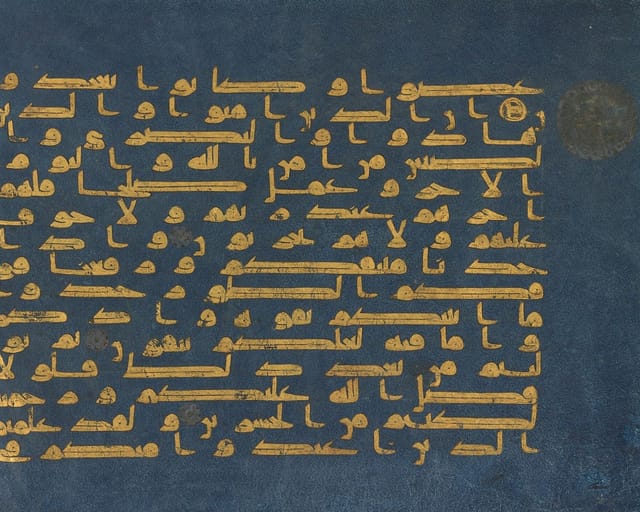
What do Muslims believe? In one sitting with his Companions, the Prophet ﷺ summed it up in a single sentence: belief in Allah, His angels, His books, His messengers, the Last Day, and the divine decree. These are the six articles of faith (arkān al-īmān, أركان الإيمان). Together they describe a world held in the hands of a merciful God, who speaks to humanity through messengers and scriptures, who surrounds each person with unseen care, and who will bring every life to a just and generous end.
Where do the six articles of faith come from?
They come from the hadith of Jibrīl. ʿUmar ibn al-Khaṭṭāb (may Allah be pleased with him) described a stranger in white who sat knee to knee with the Prophet ﷺ and asked about Islam, faith, and excellence. Asked about faith (īmān), the Prophet ﷺ answered:
«أَنْ تُؤْمِنَ بِاللَّهِ وَمَلاَئِكَتِهِ وَكُتُبِهِ وَرُسُلِهِ وَالْيَوْمِ الآخِرِ وَتُؤْمِنَ بِالْقَدَرِ خَيْرِهِ وَشَرِّهِ»
“That you believe in Allah, His angels, His books, His messengers, and the Last Day, and that you believe in the decree, its good and its bad.”
After the stranger left, the Prophet ﷺ told ʿUmar, “That was Jibrīl, who came to teach you your religion.” The Quran names the same beliefs, calling the believers to faith in Allah, His messengers, and His books, and counting faith in His angels and the Last Day beside them (Quran 4:136). The practices that rest on this faith are the five pillars of Islam.
1. Belief in Allah
Faith begins with the One God: without partner, without equal, nearer to each person than their own jugular vein. This is tawḥīd, the oneness of Allah (What is tawhid?). He is known by His most beautiful names, and the names that open nearly every chapter of the Quran are the All-Merciful and the Ever-Merciful.
2. Belief in the angels
The angels are beings created from light (Sahih Muslim 2996) who serve Allah’s will. Jibrīl brought the revelation to the prophets; other angels guard each person “by Allah’s command” (13:11), record each person’s deeds, and pray for the believers. More in What do Muslims believe about angels?
3. Belief in the revealed books
Muslims believe Allah spoke to humanity through scriptures: the scrolls of Abraham and Moses (87:19), the Torah given to Moses, the Psalms given to David, the Gospel given to Jesus, and the Quran given to Muhammad ﷺ. A Muslim honors every one of these as the word of God, and the Quran calls itself a confirmation of what came before it.
4. Belief in the messengers
Allah sent prophets to every people: “There is no community but a warner has passed among them” (Quran 35:24). The Quran names twenty-five, from Adam to Noah, Abraham, Moses, Jesus, and Muhammad ﷺ, the last of them, and tells of many more it does not name. Believers love them all and “make no distinction” between them (2:285). See Who are the prophets in Islam?
5. Belief in the Last Day
This world will end, every person will be raised, and every life will be weighed with perfect justice and boundless mercy. Belief in the Last Day gives meaning to every kindness that goes unseen and every wrong that goes unpunished here, and it rests on Allah’s own word that His mercy outstrips His wrath. See What happens on the Day of Judgment?
6. Belief in the divine decree (qadar)
Nothing happens outside Allah’s knowledge and will. The Quran presents this as a comfort:
مَآ أَصَابَ مِن مُّصِيبَةٖ فِي ٱلۡأَرۡضِ وَلَا فِيٓ أَنفُسِكُمۡ إِلَّا فِي كِتَٰبٖ مِّن قَبۡلِ أَن نَّبۡرَأَهَآ … لِّكَيۡلَا تَأۡسَوۡاْ عَلَىٰ مَا فَاتَكُمۡ وَلَا تَفۡرَحُواْ بِمَآ ءَاتَىٰكُمۡ
“No misfortune strikes the earth or your own selves without being in a record before We bring it into being… so that you do not grieve over what escaped you, nor exult over what came to you.”
The decree never erases human choice. “Let whoever wills believe, and whoever wills disbelieve” (18:29), and Allah does not change a people’s condition until they change what is in themselves (13:11). When a man asked whether to tie his camel or trust in Allah, the Prophet ﷺ said, “Tie it, and trust” (Jamiʿ al-Tirmidhi 2517, graded hasan by al-Albani). More in Does Islam teach predestination?
What is iḥsān?
The stranger’s third question was about excellence (iḥsān, إحسان), and the answer is the summit of the religion:
«أَنْ تَعْبُدَ اللَّهَ كَأَنَّكَ تَرَاهُ فَإِنْ لَمْ تَكُنْ تَرَاهُ فَإِنَّهُ يَرَاكَ»
“That you worship Allah as though you see Him, for though you do not see Him, He sees you.”
The six articles describe what a Muslim believes; iḥsān describes the heart with which it is believed.
How does faith show itself in life?
The Quran refuses to let belief stay in the head:
۞لَّيۡسَ ٱلۡبِرَّ أَن تُوَلُّواْ وُجُوهَكُمۡ قِبَلَ ٱلۡمَشۡرِقِ وَٱلۡمَغۡرِبِ وَلَٰكِنَّ ٱلۡبِرَّ مَنۡ ءَامَنَ بِٱللَّهِ وَٱلۡيَوۡمِ ٱلۡأٓخِرِ وَٱلۡمَلَـٰٓئِكَةِ وَٱلۡكِتَٰبِ وَٱلنَّبِيِّـۧنَ وَءَاتَى ٱلۡمَالَ عَلَىٰ حُبِّهِۦ ذَوِي ٱلۡقُرۡبَىٰ وَٱلۡيَتَٰمَىٰ وَٱلۡمَسَٰكِينَ وَٱبۡنَ ٱلسَّبِيلِ
“Righteousness does not lie in turning your faces east or west. Righteousness belongs to whoever believes in Allah, the Last Day, the angels, the Book, and the prophets, and gives wealth, though they love it, to relatives, orphans, the needy, and the stranded traveler.”
In the same breath as the angels and the prophets, the verse names the orphan and the traveler. Faith in the unseen is proved by care for the seen.
Do Shia Muslims believe in the six articles?
Shia Muslims share these beliefs and arrange them differently. Twelver theology names five principles of religion (uṣūl al-dīn): the oneness of Allah, His justice, prophethood, the Imamate, and the Resurrection. The emphasis on divine justice reflects a long Shia teaching that Allah never wrongs His servants and that human beings are responsible for their choices.
A closing duʿāʾ
The verse that names the articles of faith ends with the believers’ own words:
وَقَالُواْ سَمِعۡنَا وَأَطَعۡنَاۖ غُفۡرَانَكَ رَبَّنَا وَإِلَيۡكَ ٱلۡمَصِيرُ
“And they say: We hear and we obey. Your forgiveness, our Lord; to You is the return.”
May Allah make these six truths the ground beneath our feet, and iḥsān the light of our hearts.
And Allah knows best. والله أعلم
Frequently asked questions
What is the difference between the pillars of Islam and the articles of faith?
The five pillars are practices: the testimony, prayer, zakat, fasting, and Hajj. The six articles of faith are beliefs held in the heart. The hadith of Jibrīl names both, and adds iḥsān, the excellence of worshiping Allah as though you see Him.
Do Muslims believe in the Bible?
Muslims believe that Allah revealed the Torah to Moses, the Psalms to David, and the Gospel to Jesus, and they honor these scriptures as His books. Most Muslims hold that the texts in circulation today also carry human additions.
What do Shia Muslims believe?
Twelver Shia theology names five principles of belief (uṣūl al-dīn): the oneness of Allah, His justice, prophethood, the Imamate, and the Resurrection. Belief in the angels, the books, and the decree is shared with Sunni Muslims.
Can faith increase and decrease?
Most Sunni scholars taught that faith grows with obedience and weakens with sin, and Shia scholars likewise speak of faith rising and falling. A weak day of faith is a reason to return, with no cause for despair.
Related questions
Sources
Image: Unknown calligrapher, Folio from the Blue Qurʾan (Sūrat al-Baqara 2:62), c. 950. Chester Beatty Library, Dublin (Is 1405A). Public domain, via Wikimedia Commons.. Image credits
.jpg)