Does Islam teach predestination (qadar)?
Question 1217
Question
Do Muslims believe everything is predestined, and if so, do human beings have free will?
Summary of answer
Belief in qadar, Allah's knowledge, decree, and power over all things, is one of the six articles of faith. The Quran joins it to real human choice and responsibility: "whoever wills, let them believe" (18:29), and "Allah does not change a people's condition until they change what is in themselves" (13:11). The Prophet ﷺ told the Companions to act, and to tie the camel and then trust. Qadar is a source of peace, and never an excuse for injustice or despair.
Answer
الحمد لله Praise be to Allah.
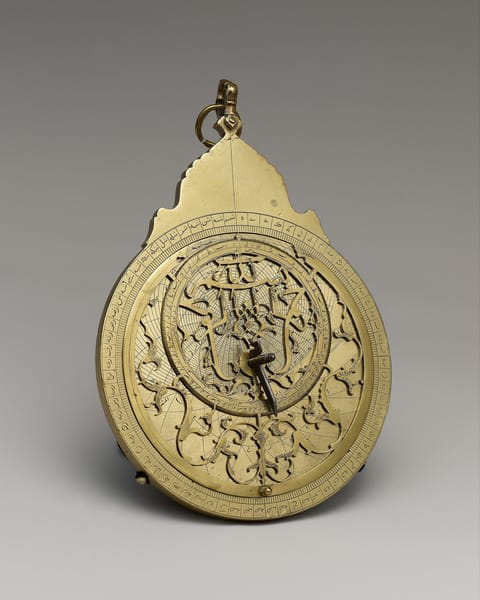
Islam teaches qadar (قدر): that Allah knows all things, that nothing happens outside His will and power, and that all things unfold by His decree. In the hadith of Gabriel, the Prophet ﷺ named it the last of the six articles of faith, “to believe in the decree, its good and its bad” (Sahih Muslim 8a). Islam also teaches, just as firmly, that human beings truly choose, and that they answer for their choices. The Quran holds the two together without strain:
وَقُلِ ٱلۡحَقُّ مِن رَّبِّكُمۡۖ فَمَن شَآءَ فَلۡيُؤۡمِن وَمَن شَآءَ فَلۡيَكۡفُرۡ
“Say: the truth is from your Lord. Whoever wills, let them believe, and whoever wills, let them deny.”
Qadar in Islam is a teaching about Allah’s greatness and care. It is never fatalism, and it never excuses injustice.
What does qadar mean?
The word qadar means measure and determination: Allah has given each thing its measure. Many teachers describe four aspects of it. Allah knows all things before they happen; He has recorded them (57:22); nothing happens unless He wills it; and He is the Creator of all things, human acts included. None of this makes Allah the author of injustice: “Allah does not command indecency” (7:28), and He has forbidden injustice for Himself.
The Quran gives the reason for teaching this. It tells believers that every hardship was known to Allah beforehand, “so that you do not despair over what has passed you by, nor exult over what He has given you” (57:23). Qadar is meant to steady the heart in loss and humble it in success.
Do Muslims have free will?
Yes. The Quran addresses every reader as someone who chooses. “We showed him the way, whether he is grateful or ungrateful” (76:3). The soul has been shown its wickedness and its goodness, and “successful is the one who purifies it, and lost is the one who buries it” (91:9–10). “A human being has nothing except what they strive for” (Quran 53:39). And change in society begins with people themselves:
إِنَّ ٱللَّهَ لَا يُغَيِّرُ مَا بِقَوۡمٍ حَتَّىٰ يُغَيِّرُواْ مَا بِأَنفُسِهِمۡ
“Allah does not change the condition of a people until they change what is in themselves.”
The Companions asked the obvious question. When the Prophet ﷺ told them that each person’s place in the hereafter is already known, they said, “Then shall we rely on what is written and leave off working?” He answered:
«اعْمَلُوا فَكُلٌّ مُيَسَّرٌ لِمَا خُلِقَ لَهُ»
“Act, for each person is eased toward what they were created for.”
Allah’s knowledge is no chain around a person’s neck. Nobody acts on what is written, because nobody has read it. Each person meets life with their choices, and Allah’s knowledge embraces those choices without forcing them.
How did the theological schools explain qadar?
Muslim theologians debated this for centuries, and their answers show how much room the tradition holds:
- The Muʿtazila stressed Allah’s justice. A just God, they argued, would not punish people for acts He compelled, so human beings must be the real authors of their deeds.
- The Ashʿaris stressed Allah’s power. Allah creates every act, and the human being “acquires” it (kasb) by choosing it, and so bears responsibility.
- The Maturidis, following Abu Manṣūr al-Māturīdī (d. 944) of Samarqand, gave more weight to human choice (ikhtiyār): the person truly chooses, and Allah creates the act in response to that choice. Their creed is followed by most Hanafis.
- Twelver Shia theology teaches, in a saying attributed to Imam Jaʿfar al-Ṣādiq and recorded in al-Kāfī, “neither compulsion (jabr) nor delegation (tafwīḍ), but a matter between the two.”
All of these schools rejected the view of the Jabriyya, the “compulsionists,” who held that human beings are like feathers in the wind. Muslim belief has always included real responsibility, and with it real freedom.
Does believing in qadar mean we should not try?
No. A man asked the Prophet ﷺ whether he should tie his camel and trust in Allah, or leave it loose and trust. He said, “Tie it, and trust” (Jamiʿ al-Tirmidhi 2517, graded hasan by al-Albani).
When plague broke out in Syria, Umar ibn al-Khaṭṭāb (may Allah be pleased with him), who was on his way there, decided to turn back. Abu ʿUbayda asked him, “Are you fleeing from Allah’s decree?” Umar answered:
«نَعَمْ نَفِرُّ مِنْ قَدَرِ اللَّهِ إِلَى قَدَرِ اللَّهِ»
“Yes, we flee from Allah’s decree to Allah’s decree.”
He explained with a picture: if your camels came down into a valley with one green slope and one barren, whichever you grazed them on, you would graze them by Allah’s decree. Taking precautions, seeking medicine, working, and planning are all part of qadar. So is prayer: the Prophet ﷺ said that “nothing turns back the decree except duʿāʾ” (Jamiʿ al-Tirmidhi 2139, graded hasan by al-Albani). See How do you make dua? and, for hard decisions, How do you pray istikhara?
Is suffering my qadar?
Believers meet hardship as something Allah knows and holds. The Prophet ﷺ said that the affair of the believer is all good: when blessed, they give thanks, and when harmed, they are patient, and both are good for them (Sahih Muslim 2999).
Qadar is never a reason to accept injustice that can be changed. An abusive spouse, an exploitative employer, or a corrupt ruler cannot say “it was written” to escape responsibility, and a victim does not owe silence to their own oppression. Qadar is also never a reason to blame a sufferer, and depression or grief is no sign of weak faith (Is depression a lack of faith?). For the larger purpose of life, see Why did Allah create us?
A closing word
Riding behind the Prophet ﷺ one day, the boy Ibn ʿAbbās heard words that Muslims have taught their children ever since:
«احْفَظِ اللَّهَ يَحْفَظْكَ احْفَظِ اللَّهَ تَجِدْهُ تُجَاهَكَ إِذَا سَأَلْتَ فَاسْأَلِ اللَّهَ وَإِذَا اسْتَعَنْتَ فَاسْتَعِنْ بِاللَّهِ»
“Be mindful of Allah and He will protect you. Be mindful of Allah and you will find Him before you. When you ask, ask Allah, and when you seek help, seek help from Allah.”
Jamiʿ al-Tirmidhi 2516 (graded sahih by al-Albani)
Trust in the decree and effort in the world are two wings of the same faith. Tie your camel, make your duʿāʾ, and leave the rest to the One who measured all things with mercy.
And Allah knows best. والله أعلم
Frequently asked questions
Can dua change destiny?
The Prophet ﷺ said that nothing turns back the decree except duʿāʾ (Jamiʿ al-Tirmidhi 2139, graded hasan by al-Albani). The scholars explain that the duʿāʾ itself is part of Allah's decree: He decreed the answer together with the prayer.
If Allah knows what I will do, am I free?
Allah's knowledge of a choice does not force it. Knowing what someone will freely choose is different from compelling them, and the Quran addresses every person as one who chooses and answers for their choices (18:29; 53:39).
Is marriage or a spouse predestined?
Everything is within Allah's knowledge, including whom you will marry. You still choose: Islam requires the free consent of both spouses, and the Prophet ﷺ taught the prayer of guidance (istikhāra) for decisions like this.
What do Shia Muslims believe about qadar?
Twelver Shia theology teaches "neither compulsion nor delegation, but a matter between the two," a saying attributed to Imam Jaʿfar al-Ṣādiq: Allah's power embraces all things, and human beings truly choose and are responsible.
Related questions
Sources
- Sahih Muslim 8a (the hadith of Gabriel: faith in qadar)
- Sahih al-Bukhari 4949 and 5729 (act; from Allah's decree to Allah's decree)
- Jamiʿ al-Tirmidhi 2517 and 2139 (tie your camel; duʿāʾ and the decree)
- Abu Manṣūr al-Māturīdī, Kitāb al-Tawḥīd
- al-Kulaynī, al-Kāfī, Kitāb al-Tawḥīd (neither compulsion nor delegation)
Image: Muhammad Zaman al-Munajjim al-Asturlabi, Planispheric astrolabe, Mashhad, 1654–1655. Metropolitan Museum of Art, New York. CC0, via Wikimedia Commons.. Image credits
