How do you make dua?
Question 1203
Question
How should a Muslim make dua (personal prayer to Allah), and are there special words, languages, or times for it?
Summary of answer
Duʿāʾ is speaking to Allah in your own words, in any language, at any time, aloud or in the heart. Allah says He is near and answers whoever calls on Him (2:186), and the Prophet ﷺ called duʿāʾ worship itself. The Sunnah adds beautiful habits: begin with praise and blessings on the Prophet, raise your hands, ask with confidence, and seek the blessed times, such as the last third of the night and the moment of prostration.
Answer
الحمد لله Praise be to Allah.
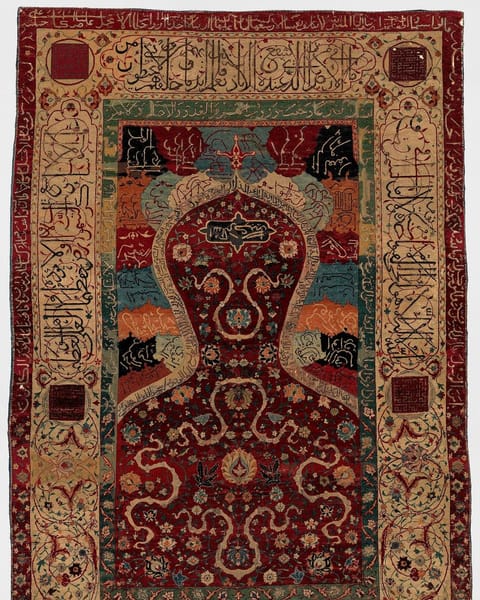
Duʿāʾ (دعاء) means calling. It is the moment a person turns to Allah and speaks to Him directly: in Arabic or English or Urdu, at a prayer mat or a hospital bed, in a whisper or in the silence of the heart. There is no formula you must get right first. How do you make dua? Turn to Allah, praise Him, and ask. The Sunnah adds a handful of habits that make the asking more beautiful, and a few moments when the door stands especially open.
What does the Quran say about dua?
The Quran answers the question of how close Allah is in the middle of the verses on fasting:
وَإِذَا سَأَلَكَ عِبَادِي عَنِّي فَإِنِّي قَرِيبٌۖ أُجِيبُ دَعۡوَةَ ٱلدَّاعِ إِذَا دَعَانِۖ فَلۡيَسۡتَجِيبُواْ لِي وَلۡيُؤۡمِنُواْ بِي لَعَلَّهُمۡ يَرۡشُدُونَ
“When My servants ask you about Me, I am near. I answer the call of the one who calls, whenever he calls on Me. So let them respond to Me and believe in Me, that they may be rightly guided.”
When people ask the Prophet ﷺ about other matters, the Quran usually replies “Say…”; here Allah answers them Himself, with no “Say” in between. The Prophet ﷺ placed duʿāʾ at the heart of religion:
«الدُّعَاءُ هُوَ الْعِبَادَةُ»
“Duʿāʾ is worship itself.”
He then recited, “Your Lord says: Call on Me, and I will answer you” (Quran 40:60). Al-Albani graded the hadith sahih.
How to make dua step by step
- Turn your heart to Allah. Wudu and facing the qibla are good, and neither is required.
- Begin with praise. The Prophet ﷺ heard a man ask in his prayer without first praising Allah or sending blessings on the Prophet, and said, “This one has hurried.” He taught: praise Allah, send blessings on the Prophet, “then ask for whatever you wish” (Jamiʿ al-Tirmidhi 3477, graded sahih by al-Albani).
- Raise your hands. “Your Lord is generous and modest: He is too shy to turn back empty the hands His servant raises to Him” (Sunan Abi Dawud 1488, graded sahih by al-Albani).
- Call Him by His names. “To Allah belong the most beautiful names, so call on Him by them” (Quran 7:180): the Healer when you are ill, the Provider when you need work, the Forgiving when you regret.
- Ask for anything good, large or small, for yourself, your family, your friends, and the whole world.
- Ask with confidence. “Call on Allah certain of being answered” (Jamiʿ al-Tirmidhi 3479, graded hasan by al-Albani).
- Be patient. “You will be answered so long as you are not hasty and say: I prayed, and I was not answered” (Sahih al-Bukhari 6340).
- Close with blessings on the Prophet ﷺ and “Āmīn”.
These are courtesies of love. A cry of “Ya Allah” in a hard moment, with none of them, is also a complete duʿāʾ.
Can you make dua in any language?
Yes. “Among His signs is the variety of your languages and your colors” (Quran 30:22), and the One who made those languages hears them all. Personal duʿāʾ may be in any language, including in your prostration and after the prayer. The fixed words of the ritual prayer are in Arabic, with ease for new Muslims; see Can you pray in English?
It need not be spoken aloud. Zakariyya (peace be upon him) called on his Lord “in a hidden call” (Quran 19:3), and the Quran tells believers to call on Him “humbly and privately” (7:55).
When is dua most likely to be answered?
Every moment is open, and the Sunnah names some that are especially blessed:
- The last third of the night. Allah descends to the nearest heaven and says, “Who is calling on Me, that I may answer him?” (Sahih al-Bukhari 1145). See How do you pray tahajjud?
- In prostration. “The closest a servant comes to his Lord is while prostrating, so make much duʿāʾ” (Sahih Muslim 482).
- Between the call to prayer and the iqāma (Sunan Abi Dawud 521, graded sahih by al-Albani).
- A short hour on Friday (Sahih al-Bukhari 935).
- The prayer of a parent, a traveler, and someone who has been wronged (Sunan Abi Dawud 1536, graded hasan by al-Albani).
- Laylat al-Qadr, the Night of Decree (What is Laylat al-Qadr?).
Pray for others as well: for friends, for strangers, for people of every faith (Can Muslims pray for non-Muslims?).
What if my dua is not answered?
Every sincere duʿāʾ is answered, though not always in the shape we asked for. The Prophet ﷺ said:
«مَا مِنْ مُسْلِمٍ يَدْعُو، لَيْسَ بِإِثْمٍ وَلاَ بِقَطِيعَةِ رَحِمٍ، إِلاَّ أَعْطَاهُ إِحْدَى ثَلاَثٍ: إِمَّا أَنْ يُعَجِّلَ لَهُ دَعْوَتَهُ، وَإِمَّا أَنْ يَدَّخِرَهَا لَهُ فِي الْآخِرَةِ، وَإِمَّا أَنْ يَدْفَعَ عَنْهُ مِنَ السُّوءِ مِثْلَهَا»
“No Muslim calls on Allah, asking for nothing sinful and nothing that cuts family ties, except that Allah gives him one of three: He grants his prayer soon, or He stores it up for him in the Hereafter, or He turns away from him an evil of the same measure.”
The Companions said, “Then we will ask a great deal.” He replied, “Allah has more.” When a decision weighs on you, add the prayer of seeking the good (istikhāra) to your duʿāʾ (How do you pray istikhara?).
A closing word
The Quran asks a question that every person in distress already knows the answer to:
أَمَّن يُجِيبُ ٱلۡمُضۡطَرَّ إِذَا دَعَاهُ وَيَكۡشِفُ ٱلسُّوٓءَ
“Who is it that answers the one in distress when he calls on Him, and lifts the harm away?”
Whatever you carry today, say it to Him. He is near, and He is listening.
And Allah knows best. والله أعلم
Frequently asked questions
Can I make dua in English or my own language?
Yes. Allah understands every language and every unspoken thought. Personal duʿāʾ, outside the fixed words of the ritual prayer, may be in any language.
Can I make dua in my heart without speaking?
Yes. The Quran praises Zakariyya for calling on his Lord in a hidden call (19:3) and tells believers to call on Him humbly and privately (7:55). A silent duʿāʾ is fully heard.
Can women make dua during their period?
Yes. Duʿāʾ and remembrance of Allah are open to everyone at all times, including during menstruation and postnatal bleeding, and without wudu.
Is it okay to make dua for worldly things?
Yes. Ask for a job, a home, healing, a spouse, a passed exam. The Quran teaches the prayer 'Our Lord, give us good in this world and good in the Hereafter' (2:201).
Related questions
Sources
Image: Iranian weavers, Prayer rug, late 16th century. Metropolitan Museum of Art, New York. CC0, via Wikimedia Commons.. Image credits
