How does zakat work, and who should receive it?
Question 1101
Question
How is zakat calculated, what wealth is it due on, and who is entitled to receive it?
Summary of answer
Zakat is the third pillar of Islam: each year a Muslim whose savings have stayed above the nisab (85 g of gold or 595 g of silver) for a lunar year gives 2.5% of them. The Quran names eight groups who receive it (9:60), first among them the poor and the needy, and calls it a known right in the wealth of the well-off (70:24–25). It is the sharia's standing institution of justice for the destitute.
Answer
الحمد لله Praise be to Allah.
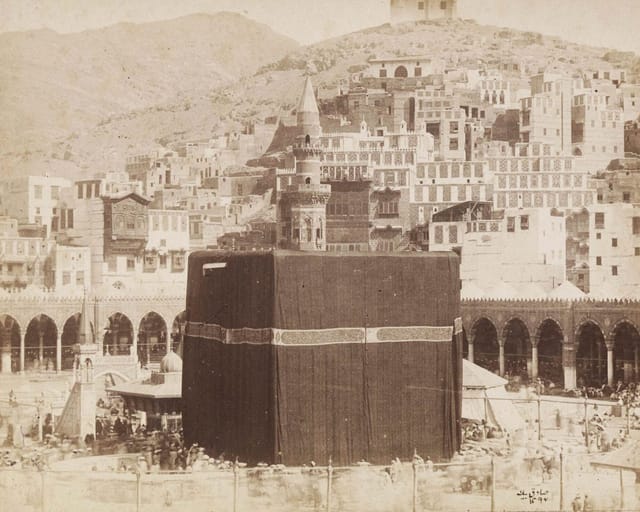
Zakat is the third pillar of Islam and one of the most practical. Once a year, a Muslim whose savings have stayed above a minimum called the nisab for a full lunar year gives 2.5% of that wealth to people the Quran names. The word zakāt means both purification and growth: the giver’s wealth is cleansed, and the community’s poor are lifted. The Quran calls it a right (ḥaqq) of the poor, so the one who pays it is returning what belongs to them.
What is zakat in Islam?
The Prophet ﷺ listed zakat among the five things Islam is built on, after the testimony of faith and prayer (Sahih al-Bukhari 8; see What are the five pillars of Islam?). In the Quran it appears again and again beside prayer, and Allah describes the believers as people who know their wealth is not wholly theirs:
وَٱلَّذِينَ فِيٓ أَمۡوَٰلِهِمۡ حَقّٞ مَّعۡلُومٞ لِّلسَّآئِلِ وَٱلۡمَحۡرُومِ
“And those in whose wealth there is a known right, for the one who asks and the one who is deprived.”
When the Prophet ﷺ sent Muʿadh ibn Jabal to Yemen, he described zakat in one line:
«تُؤْخَذُ مِنْ أَغْنِيَائِهِمْ وَتُرَدُّ عَلَى فُقَرَائِهِمْ»
“It is taken from their rich and returned to their poor.”
The verb is telling: the wealth is “returned” to the poor, as though it had been theirs from the start.
Who has to pay zakat?
Zakat is due from an adult Muslim of sound mind whose zakatable wealth reaches the nisab and stays at or above it for one lunar year (ḥawl). The Prophet ﷺ set the nisab at two hundred silver dirhams or twenty gold dinars held for a year (Sunan Abi Dawud 1573, graded sahih by al-Albani). In modern weights that is about 85 grams of gold or 595 grams of silver.
The silver threshold is much lower, so more people pay zakat and more reaches the poor. For cash and savings, Hanafi scholars generally apply the silver measure and many other scholars apply gold, and many zakat charities recommend the silver measure for the sake of those who receive it.
How do you calculate zakat?
Add up what you own on your zakat date:
- cash at home and in bank accounts;
- gold and silver (see the FAQ on jewelry);
- shares, funds, and other investments (Is investing in stocks haram?);
- business stock and goods held for sale;
- money others owe you that you expect to be repaid.
Subtract debts and bills due now. If the total is above the nisab, pay 2.5% of it. Someone with $20,000 in savings after debts pays $500.
Zakat is not due on the home you live in, your car, clothes, furniture, or the tools of your trade. Crops and livestock have their own rates in the books of fiqh. Separate from the yearly zakat on wealth, every household pays zakat al-fiṭr at the end of Ramadan, a small amount of food or its value for each person, given before the Eid prayer (Sahih al-Bukhari 1503).
Who should receive zakat? The eight categories
The Quran itself names those who receive it:
۞إِنَّمَا ٱلصَّدَقَٰتُ لِلۡفُقَرَآءِ وَٱلۡمَسَٰكِينِ وَٱلۡعَٰمِلِينَ عَلَيۡهَا وَٱلۡمُؤَلَّفَةِ قُلُوبُهُمۡ وَفِي ٱلرِّقَابِ وَٱلۡغَٰرِمِينَ وَفِي سَبِيلِ ٱللَّهِ وَٱبۡنِ ٱلسَّبِيلِۖ فَرِيضَةٗ مِّنَ ٱللَّهِۗ وَٱللَّهُ عَلِيمٌ حَكِيمٞ
“The alms are for the poor and the needy, for those who work to collect them, for those whose hearts are to be brought together, for freeing those in bondage, for those in debt, for the cause of Allah, and for the traveler in need: an obligation from Allah. Allah is All-Knowing, All-Wise.”
- The poor (al-fuqarāʾ), who have little or nothing.
- The needy (al-masākīn), who have something but not enough to live on.
- Those who administer zakat, paid from it for their work.
- Those whose hearts are to be brought together, which in the early community included people who were not Muslim (Can zakat be given to non-Muslims?).
- Those in bondage (fī al-riqāb), once enslaved people buying their freedom.
- Debtors (al-ghārimīn), crushed by debts they cannot pay.
- In the cause of Allah, a category the jurists defined in different ways.
- The traveler stranded far from home.
Zakat cannot go to those you are already bound to support, such as your parents and children. Other relatives in need may receive it, and when Zaynab, the wife of Ibn Masʿud, asked whether she could spend her charity on her husband and the orphans in her care, the Prophet ﷺ said she would have two rewards, one for kinship and one for charity (Sahih al-Bukhari 1466).
Why zakat matters: justice for the destitute
Zakat is how the sharia makes sure the poor are never left to chance. The Quran speaks of distributing wealth “so that it does not circulate only among the rich among you” (59:7), and zakat turns that principle into a yearly duty. Accounts of the Umayyad caliph ʿUmar ibn ʿAbd al-ʿAziz (d. 720) describe years when collectors struggled to find people poor enough to take it. The early jurists, such as Abu ʿUbayd in his Kitāb al-Amwāl, wrote whole books on public wealth and its duties to the poor. Alongside endowments (awqāf) and hospitals, zakat belongs to a vision of society in which food, care, and dignity reach everyone (What is sharia? and What does Islam say about poverty and the poor?).
Give where the need is greatest, close to home when you can, through trustworthy organizations or by your own hand. Giving in secret is praised in the Quran (2:271), and giving openly to encourage others is good as well.
A closing word
Allah told His Prophet ﷺ to take charity from the believers’ wealth “to cleanse them and make them grow” (9:103). Every year that you pay zakat, you are trusting that what you give away will be returned to you in blessing, and the Prophet ﷺ promised that charity never decreases wealth. May Allah accept your zakat, bless what remains, and let it reach the people who are waiting for it.
And Allah knows best. والله أعلم
Frequently asked questions
When should I pay zakat?
Zakat falls due when your wealth has stayed above the nisab for one lunar year. Many Muslims choose a date in Ramadan and pay every year on that day, and most jurists allow paying early or in instalments as long as the full amount is given.
Do I pay zakat on my house or car?
No. Zakat is not due on the home you live in, the car you drive, your clothes, furniture, or the tools of your work. It is due on savings, gold and silver, investments, and business stock.
Do I pay zakat on gold jewelry I wear?
The Hanafi school requires zakat on gold and silver jewelry, worn or not. The Maliki, Shafiʿi, and Hanbali schools exempt jewelry worn regularly, and paying on it anyway is the more generous course.
How does zakat work in Shia Islam?
In Jaʿfari fiqh zakat is due on nine items: gold and silver coin, camels, cattle, sheep, wheat, barley, dates, and raisins. Shia Muslims also pay khums, one fifth of the surplus of their yearly income after expenses.
Can I give zakat to my family?
You may not give zakat to those you are already obliged to support, such as your parents, children, or (for a husband) your wife. Brothers, sisters, and other relatives in need may receive it, and the Prophet ﷺ said a wife who gave to her husband in need earned a double reward.
Related questions
Sources
- Sahih al-Bukhari 8, 1395, 1466, 1503
- Sunan Abi Dawud 1573 (the nisab and the year)
- Islamic Relief, Nisab
- Abu ʿUbayd al-Qasim ibn Sallam, Kitāb al-Amwāl
- Al-Islam.org, Questions about Zakat (Jaʿfari rulings)
Image: Muhammad Sadiq Bey, The Kaaba, 1880. Khalili Collections (ARC.pp 211.4). Public domain, via Wikimedia Commons.. Image credits
