What if I miss prayers or struggle to pray?
Question 1105
Question
Is it haram to miss the daily prayers, do missed prayers have to be made up, and how can someone who struggles to pray start again?
Summary of answer
The five prayers are a pillar of Islam, and letting one pass on purpose is a serious matter. Prayers missed through sleep or forgetfulness are prayed when remembered. The majority require making up deliberately missed prayers; Ibn Hazm and Ibn Taymiyya held instead that one repents and prays many voluntary prayers. Either way, begin again today: the most beloved deeds are the most consistent, even if small (Bukhari 6464), and Allah comes running to the one who walks toward Him.
Answer
الحمد لله Praise be to Allah.
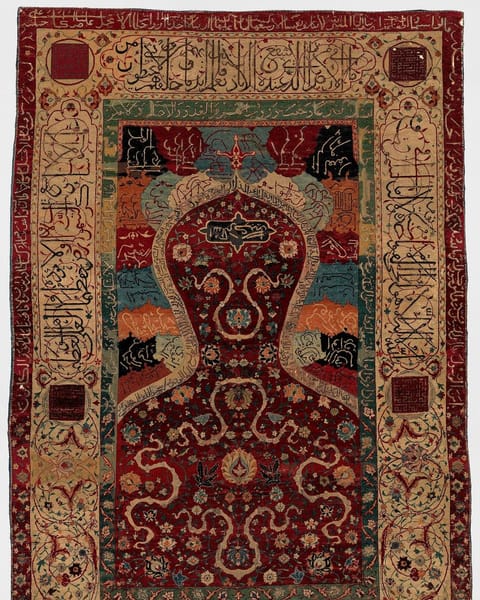
Almost every Muslim knows the feeling: the alarm for Fajr that never rang, the busy day when Asr slipped by, or the long season when prayer stopped altogether and coming back felt too hard. The five daily prayers are a pillar of Islam, and letting one pass on purpose is a serious matter. The answer of the Quran and Sunnah to the person who has missed prayers, though, is an invitation. Pray the next prayer. Allah is waiting for you, and He meets the one who returns with more than the one who returns could ever bring.
Is it haram to miss a prayer?
The scholars agree that leaving an obligatory prayer on purpose until its time has passed, with no excuse, is a grave sin, because prayer is the believer’s daily bond with Allah. The Quran also places right beside its call to prayer the promise that good deeds wipe away bad ones:
وَأَقِمِ ٱلصَّلَوٰةَ طَرَفَيِ ٱلنَّهَارِ وَزُلَفٗا مِّنَ ٱلَّيۡلِۚ إِنَّ ٱلۡحَسَنَٰتِ يُذۡهِبۡنَ ٱلسَّيِّـَٔاتِۚ ذَٰلِكَ ذِكۡرَىٰ لِلذَّـٰكِرِينَ
“Establish the prayer at both ends of the day and in the early hours of the night. Good deeds wipe away bad deeds. This is a reminder for those who remember.”
A prayer missed through sleep or forgetfulness carries no blame at all. The Prophet ﷺ said: “Whoever forgets a prayer, let him pray it when he remembers it; there is no other expiation for it” (Sahih al-Bukhari 597). He himself once slept through Fajr while traveling, prayed it after sunrise, and said that Allah had taken their souls when He willed and returned them when He willed (Sahih al-Bukhari 595).
Some scholars hold a harder view. A hadith in Sahih Muslim says that between a person and unbelief stands the abandoning of prayer (Sahih Muslim 82b), and Imam Ahmad read it strictly. Abu Hanifa, Malik, and al-Shafiʿi held that a believer who neglects prayer out of weakness remains a Muslim, and theirs is the position of most of the community. No one has the right to shame, threaten, or harass a Muslim who is not praying (Is it haram to harass women about hijab or religion?). Kindness and example bring people to prayer.
Do I have to make up missed prayers?
Prayers missed through sleep, forgetfulness, or an emergency are made up (qaḍāʾ) when you are able, by agreement.
For prayers left deliberately, the scholars differed (ikhtalafa al-ʿulamāʾ). The four Sunni schools require making them up. Ibn Hazm (d. 1064) wrote in al-Muḥallā that such a prayer can never be made up, so the person should do much good and pray many voluntary prayers; Ibn Taymiyya (d. 1328) took a similar view. Their position rests on a hadith that is full of hope:
«فَإِنِ انْتَقَصَ مِنْ فَرِيضَتِهِ شَيْءٌ قَالَ الرَّبُّ عَزَّ وَجَلَّ انْظُرُوا هَلْ لِعَبْدِي مِنْ تَطَوُّعٍ فَيُكَمَّلَ بِهَا مَا انْتَقَصَ مِنَ الْفَرِيضَةِ»
“If anything is lacking in his obligatory prayers, the Lord, Mighty and Majestic, will say: See whether My servant has any voluntary prayers, so that what was lacking in the obligatory ones may be completed with them.”
Jamiʿ al-Tirmidhi 413 (graded sahih by al-Albani)
Both are recognized positions. If you have months or years of missed prayers, choose the path you can keep: add one missed prayer to each daily prayer, or follow Ibn Hazm and Ibn Taymiyya and pour your effort into voluntary prayers. What matters most is that today’s prayers are prayed.
Why is it so hard to pray sometimes?
Struggling to pray is rarely laziness alone. Exhaustion, long working hours, depression, grief, doubt, and the shame of having stopped can all make the prayer mat feel far away. Depression is an illness, and it says nothing about the strength of your faith (Is depression a sign of weak iman?). The sharia meets these struggles with ease. Pray sitting if standing is hard, or lying down if sitting is hard (Sahih al-Bukhari 1117). Combine Dhuhr with Asr and Maghrib with Isha on a day of real need (Can you combine prayers?). A short prayer offered is better than a perfect one postponed.
How do I start praying again?
«وَأَنَّ أَحَبَّ الأَعْمَالِ أَدْوَمُهَا إِلَى اللَّهِ، وَإِنْ قَلَّ»
“The deeds most beloved to Allah are those done most consistently, even if they are small.”
- Start with one prayer. Choose the easiest for your day and pray it every day for a week, then add another.
- Pray the obligatory units first. The extra sunna prayers can come later.
- Set reminders on your phone, and keep a small mat at work or in your bag.
- Learn the meaning of what you recite, so the words come alive (How to pray in Islam).
- Find company. A friend who prays, a welcoming mosque, or a study circle makes return easier.
- Talk to Allah about it in your own words. Tell Him it is hard. He already knows, and He loves to be asked.
Will Allah forgive me for the prayers I missed?
The Prophet ﷺ conveyed this from his Lord:
«وَإِنْ تَقَرَّبَ إِلَىَّ بِشِبْرٍ تَقَرَّبْتُ إِلَيْهِ ذِرَاعًا، وَإِنْ تَقَرَّبَ إِلَىَّ ذِرَاعًا تَقَرَّبْتُ إِلَيْهِ بَاعًا، وَإِنْ أَتَانِي يَمْشِي أَتَيْتُهُ هَرْوَلَةً»
“If he draws a hand’s span closer to Me, I draw an arm’s length closer to him. If he draws an arm’s length closer to Me, I draw closer to him by the span of open arms. And if he comes to Me walking, I come to him running.”
Every prayer you pray from today is that walk, and the running is His. The Quran speaks to everyone who feels they have gone too far:
۞قُلۡ يَٰعِبَادِيَ ٱلَّذِينَ أَسۡرَفُواْ عَلَىٰٓ أَنفُسِهِمۡ لَا تَقۡنَطُواْ مِن رَّحۡمَةِ ٱللَّهِۚ إِنَّ ٱللَّهَ يَغۡفِرُ ٱلذُّنُوبَ جَمِيعًا
“Say: O My servants who have wronged yourselves, do not despair of Allah’s mercy. Allah forgives all sins.”
For more on His forgiveness, see Does Allah forgive all sins? May He make the prayer the coolness of your eyes, as it was for His Prophet ﷺ.
And Allah knows best. والله أعلم
Frequently asked questions
I overslept and missed Fajr. What do I do?
Pray it as soon as you wake up. The Prophet ﷺ and his Companions once slept through Fajr while traveling, and when they woke he had the call to prayer given and led them in it (Sahih al-Bukhari 595).
How do I make up years of missed prayers?
On the majority view, pray one or more missed prayers alongside each daily prayer until the count is done, estimating the number with care. On the view of Ibn Hazm and Ibn Taymiyya, repent and fill your days with voluntary prayers. Choose what you can keep up, and never let the backlog stop you praying today.
Do women make up prayers missed during their period?
No. Women do not pray during menstruation and do not make those prayers up, as Aisha reported of the women in the Prophet's ﷺ time (Sahih Muslim 335a).
Is a Muslim who doesn't pray still a Muslim?
Abu Hanifa, Malik, and al-Shafiʿi held that a believer who neglects prayer out of weakness remains a Muslim, while Imam Ahmad took a stricter view. Judgment belongs to Allah alone, and the door of return stays open.
Related questions
Sources
- Sahih al-Bukhari 595, 597, 1117, 6464, 7405
- Jamiʿ al-Tirmidhi 413
- Ibn Hazm, al-Muḥallā
- Ibn Taymiyya, Minhāj al-Sunna al-Nabawiyya
Image: Iranian weavers, Prayer rug, late 16th century. Metropolitan Museum of Art, New York. CC0, via Wikimedia Commons.. Image credits
