Is it haram to harass women about hijab or religion?
Question 1053
Question
Is it permissible to pressure, shame, or harass women about wearing hijab, or to pressure people about their religious practice?
Summary of answer
Harassing women about hijab is haram, and so is harassing anyone about their religion. "There is no compulsion in religion" (2:256), and the Quran calls those who harm believing women without cause guilty of a manifest sin (33:58). It tells men to lower their own gaze first (24:30), and the Prophet ﷺ turned a young man's face away from a woman instead of rebuking her. A Muslim is one from whose tongue and hand people are safe.
﴿لَآ إِكۡرَاهَ فِي ٱلدِّينِ﴾
There is no compulsion in religion.
Answer
الحمد لله Praise be to Allah.
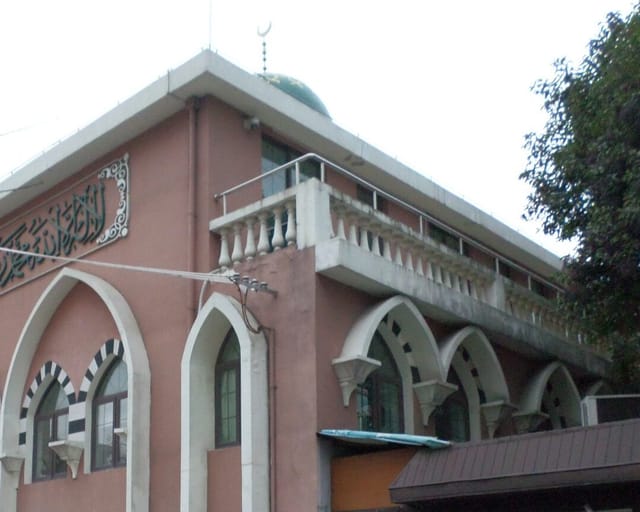
Is it haram to harass women about hijab? Yes. Pressuring, shaming, mocking, threatening, or policing a woman over what she wears is haram, and so is harassing anyone over their religious practice: shaming a person who does not pray, pressuring a convert, or hounding someone who has stepped away. The Quran declares that “there is no compulsion in religion” (Quran 2:256), and the Prophet ﷺ defined a Muslim as one from whose tongue and hand others are safe. Covering the hair is a personal choice, and even those who hold the stricter view of hijab have no right to harass anyone over it.
What does the Quran say about forcing religion on people?
The Quran tells the Prophet ﷺ himself that his role is to remind: “So remind, for you are only a reminder. You are not a controller over them” (88:21–22). If the Messenger of Allah was no enforcer, no neighbor, uncle, or stranger in the street holds that role. “Would you compel people until they become believers?” Allah asks him (10:99).
The Quran also names what harassment is in Allah’s sight:
وَٱلَّذِينَ يُؤۡذُونَ ٱلۡمُؤۡمِنِينَ وَٱلۡمُؤۡمِنَٰتِ بِغَيۡرِ مَا ٱكۡتَسَبُواْ فَقَدِ ٱحۡتَمَلُواْ بُهۡتَٰنٗا وَإِثۡمٗا مُّبِينٗا
“Those who hurt believing men and believing women for something they have not done have taken upon themselves slander and a manifest sin.”
A woman who chooses not to cover her hair has done nothing to anyone. Hurting her with words, stares, or threats falls under this verse. The full case for hijab as a free choice is made in Is hijab mandatory in Islam?
Who does the Quran address first about modesty?
Before the verse about women’s dress, the Quran speaks to men:
قُل لِّلۡمُؤۡمِنِينَ يَغُضُّواْ مِنۡ أَبۡصَٰرِهِمۡ وَيَحۡفَظُواْ فُرُوجَهُمۡۚ ذَٰلِكَ أَزۡكَىٰ لَهُمۡۚ إِنَّ ٱللَّهَ خَبِيرُۢ بِمَا يَصۡنَعُونَ
“Tell the believing men to lower their gaze and guard their chastity. That is purer for them. Allah is aware of what they do.”
The responsibility for a man’s gaze lies with the man. The Prophet ﷺ showed this in one of the most famous scenes of the Farewell Pilgrimage. His young cousin al-Faḍl ibn ʿAbbās was riding behind him when a beautiful woman from the tribe of Khathʿam came to ask a question about performing the hajj for her elderly father. Al-Faḍl began staring at her. The Prophet ﷺ reached back, took al-Faḍl by the chin, and turned his face away. Then he answered the woman’s question (Sahih al-Bukhari 6228).
He did not scold her or tell her to cover herself. He corrected the man who was looking and served the woman who was asking. That is the Sunnah for anyone who feels troubled by how a woman appears in public.
Is harassment haram even if you believe hijab is required?
Yes. A person’s view on hijab does not change the ruling on harming others. The Prophet ﷺ said:
«الْمُسْلِمُ مَنْ سَلِمَ الْمُسْلِمُونَ مِنْ لِسَانِهِ وَيَدِهِ»
“The Muslim is the one from whose tongue and hand the Muslims are safe.”
He swore three times that a person whose neighbor is not safe from his harm does not truly believe (Sahih al-Bukhari 6016). The Quran forbids spying on others and mocking them (49:11–12), and the Prophet ﷺ promised that whoever covers the faults of a Muslim, Allah will cover his faults in this world and the next (Sahih Muslim 2699a).
The jurists also set a limit on correcting others. Jalal al-Din al-Suyuti (d. 1505) recorded the principle in al-Ashbāh wa-l-Naẓāʾir: “What is disputed is not censured; only what is agreed upon is censured.” Scholars across history have differed on hijab, as on many other questions. Where the scholars differ, no Muslim has the right to censure another, let alone harass them.
What about the morality police?
Some states have turned religious practice into a matter for police. In September 2022 Mahsa Amini, a 22-year-old woman, died in the custody of Iran’s morality police after being arrested over her hijab, and her death set off months of protest. In 2016 Saudi Arabia stripped its own religious police of the power to arrest.
A faith enforced by fear produces fear and hypocrisy (nifāq), and the Quran asks for faith that comes from the heart. The objectives of the sharia protect each person’s dignity, mind, and faith, and policing women’s bodies violates all three. More on women’s place in the Quran in What does the Quran say about women?
How can Muslims encourage faith without harassment?
The Prophet ﷺ gave his envoys a short rule for calling people to Allah:
«يَسِّرُوا وَلاَ تُعَسِّرُوا، وَبَشِّرُوا وَلاَ تُنَفِّرُوا»
“Make things easy and do not make them hard. Give good news and do not drive people away.”
- Be the example. People are drawn to faith by the kindness and joy of those who practice it.
- Speak only when welcome. Offer advice once, privately, and gently, then respect the person’s choice.
- Never comment on a stranger’s body or clothes. That is the gaze the Quran tells men to lower.
- Support converts and those who struggle. Invite them to iftar, to the mosque, and to your table, with no conditions. Those who miss prayers deserve the same patience, as explained in Is it haram to miss prayers?
- Parents, persuade with love. Daughters and sons are a trust; a home ruled by pressure pushes children away from Allah. See Do I have to obey my parents?
If you are being harassed or threatened at home, your safety comes first. Call your local emergency number. In the US the National Domestic Violence Hotline is 1-800-799-7233, and in the UK the National Domestic Abuse Helpline is 0808 2000 247.
A closing word
The Quran gives one method for sharing faith, and it is beautiful:
ٱدۡعُ إِلَىٰ سَبِيلِ رَبِّكَ بِٱلۡحِكۡمَةِ وَٱلۡمَوۡعِظَةِ ٱلۡحَسَنَةِ
“Call to the way of your Lord with wisdom and beautiful counsel.”
May Allah make us people whose presence brings others peace, whose words draw hearts toward Him, and whose sisters and daughters walk among us safe and honored.
And Allah knows best. والله أعلم
Frequently asked questions
Can parents force their daughter to wear hijab?
No. Faith and its practice must come from the heart, and the Quran forbids compulsion in religion (2:256). Parents may share what they love about hijab, and the choice remains their daughter's. Covering the hair is a personal choice, explained in the answer on whether hijab is mandatory.
Is it a sin not to wear hijab?
Modesty is asked of men and women alike, and covering the hair is a personal choice, beautiful when chosen freely and never a condition of faith. A woman's worth before Allah is her taqwā, which no one can see from her clothes.
Is giving advice about hijab the same as harassment?
Sincere advice (naṣīḥa) is offered once, privately, and gently, and then the other person's choice is respected. Repeated pressure, public comments, threats, mockery, and spying are harassment, and they are haram whatever view one holds on hijab.
What should I do if I am being harassed about hijab at home?
Your safety comes first. In an emergency call your local emergency number. In the US the National Domestic Violence Hotline is 1-800-799-7233, and in the UK the National Domestic Abuse Helpline is 0808 2000 247.
Related questions
Sources
- Sahih al-Bukhari 6228 (al-Faḍl and the woman of Khathʿam)
- Sahih al-Bukhari 10 (the Muslim is one from whose tongue and hand people are safe)
- Sahih al-Bukhari 69 (make things easy)
- Jalal al-Din al-Suyuti, al-Ashbāh wa-l-Naẓāʾir (no censure in disputed matters)
- National Domestic Violence Hotline (US)
- National Domestic Abuse Helpline (UK)
Image: Chongkian, Xiaotaoyuan Women's Mosque, Shanghai, 2015. CC BY-SA 4.0, via Wikimedia Commons.. Image credits
