Do I have to obey my parents in everything?
Question 1074
Question
Does Islam require me to obey my parents in every decision, including my choice of spouse, career, and how I live?
Summary of answer
Kindness to parents is a lifelong duty, and obedience to them has limits. The Quran commands excellent treatment of parents (17:23) and tells a child not to obey them in wrongdoing while still keeping them company with kindness (31:15). The Prophet ﷺ taught that obedience is only in what is right. Jurists such as Ibn Taymiyya limited the duty to what benefits parents without harming the child, and a person's own marriage is their own choice.
Answer
الحمد لله Praise be to Allah.
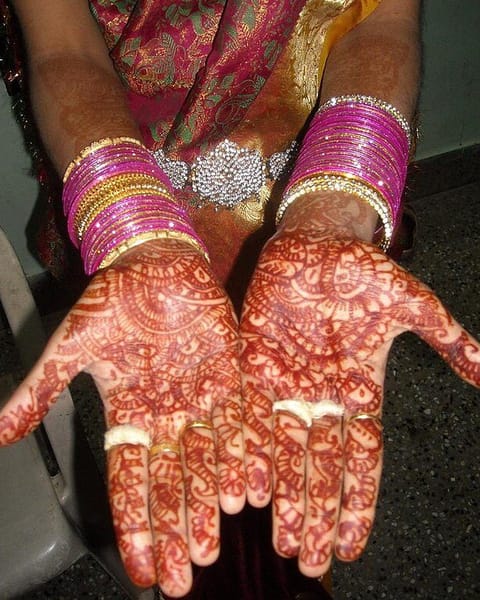
Few duties in Islam are stated as strongly as the duty to one’s parents. The Quran places kindness to them right after the worship of Allah, and the Prophet ﷺ called serving them a form of striving in His path. Obedience to parents also has limits, which the Quran and the Sunnah set with care. A Muslim owes their parents kindness, respect, and care for life. They owe obedience in what is right and beneficial, never in wrongdoing, and parents may not command what harms their child or take over the child’s own lawful decisions, such as whom to marry.
What does the Quran say about obeying parents?
The Quran’s command is excellence (iḥsān, إحسان), a word that asks for more than obedience:
وَبِٱلۡوَٰلِدَيۡنِ إِحۡسَٰنًاۚ إِمَّا يَبۡلُغَنَّ عِندَكَ ٱلۡكِبَرَ أَحَدُهُمَآ أَوۡ كِلَاهُمَا فَلَا تَقُل لَّهُمَآ أُفّٖ وَلَا تَنۡهَرۡهُمَا وَقُل لَّهُمَا قَوۡلٗا كَرِيمٗا
“And be excellent to your parents. If one or both of them reach old age with you, do not say to them a word of impatience, do not rebuke them, and speak to them with gracious words.”
The next verse asks the child to “lower to them the wing of humility, out of mercy” (17:24). The Quran’s language is tender: speech, patience, mercy, and care in their old age.
The Prophet ﷺ gave the mother a special place. When a man asked who most deserved his good companionship, he answered “your mother” three times, and then “your father” (Sahih al-Bukhari 5971). When another man asked permission to join a military campaign, the Prophet ﷺ asked whether his parents were living, and told him: “Then strive in serving them” (Sahih al-Bukhari 3004). Harshness and neglect toward parents, called ʿuqūq (عقوق), is counted among the major sins.
Are there limits to obeying parents?
There are, and the Quran draws the first one itself. Speaking of parents who press their child toward associating partners with Allah, it says:
وَإِن جَٰهَدَاكَ عَلَىٰٓ أَن تُشۡرِكَ بِي مَا لَيۡسَ لَكَ بِهِۦ عِلۡمٞ فَلَا تُطِعۡهُمَاۖ وَصَاحِبۡهُمَا فِي ٱلدُّنۡيَا مَعۡرُوفٗا
“If they strive to make you associate with Me what you have no knowledge of, do not obey them. Yet keep them company in this world with kindness.”
The verse separates the two duties. Obedience can end; kindness continues. The Prophet ﷺ stated the general rule:
«لاَ طَاعَةَ فِي مَعْصِيَةٍ، إِنَّمَا الطَّاعَةُ فِي الْمَعْرُوفِ»
“There is no obedience in wrongdoing. Obedience is only in what is right.”
The jurists also limited obedience in permissible matters. Ibn Taymiyya (d. 1328) wrote that a person must obey their parents outside of sin “in what brings them benefit and causes him no harm.” Where a parent’s command brings them no benefit, or harms the child, obedience is no longer required, though gentleness always is.
Can my parents choose my spouse or make me divorce?
A marriage in Islam requires the free consent of both spouses. The Prophet ﷺ said that a woman may not be married without her permission (Sahih al-Bukhari 5136), and when a young woman told him her father had married her against her will, he gave her the choice to end the marriage (Sunan Abi Dawud 2096, graded sahih by al-Albani). Parents may suggest, advise, and pray, and their experience often deserves a careful hearing. The choice belongs to the person who will live the marriage (Is forced marriage allowed in Islam?). The same holds for the choice to marry at all (Is it haram not to get married or have children?).
The same principle protects an existing marriage. A man once told Imam Ahmad ibn Hanbal (d. 855) that his father was ordering him to divorce his wife. Ahmad answered: “Do not divorce her.” When the man mentioned that ʿUmar had once told his son to divorce, Ahmad replied: “Not until your father is like ʿUmar.” Egypt’s Dar al-Ifta, citing this answer, ruled in 2023 that it is no part of righteousness to obey parents in divorcing a wife and breaking up a home without a valid reason.
Do I have to study or work in what my parents want?
Choosing a lawful field of study, a career, a city, or a friend is a matter of a person’s own life, and the principle of benefit without harm applies. Listen to your parents, explain your reasons, and look for ways to honor their hopes. A good decision made with their blessing is a gift to them. If you choose differently, do it with gentleness and gratitude, and keep showing them the care the Quran asks for. Asmāʾ bint Abī Bakr kept the bond with her mother even though they did not share a faith, at the Prophet’s ﷺ instruction (Sahih al-Bukhari 2620); differences of choice do not cancel kindness.
What if my parents are harmful or abusive?
Islam does not ask anyone to accept abuse. “Allah does not burden any soul beyond its capacity” (Quran 2:286), and the Prophet ﷺ ruled that there is to be no harm and no harming (Sunan Ibn Majah 2341, graded sahih by al-Albani). A child or adult facing violence, threats, or constant cruelty may protect themselves, set limits on contact, and live apart. The bond can be kept in the forms that are safe: duʿāʾ for them, courteous messages, help in their need. The duties of parents toward their children are set out in Can Muslim parents hit their children? and Is it permissible to disown your child for being gay?
If a parent is hurting you, call your local emergency number. In the US, young people can call the Childhelp hotline at 1-800-422-4453; in the UK, Childline is at 0800 1111.
A prayer for your parents
Whatever your relationship with your parents, the Quran gives every child a duʿāʾ to carry for them:
وَقُل رَّبِّ ٱرۡحَمۡهُمَا كَمَا رَبَّيَانِي صَغِيرٗا
“And say: My Lord, have mercy on them, as they raised me when I was small.”
May Allah reward every parent who raised a child with love, mend every broken bond that can be mended, and give every son and daughter the wisdom to honor their parents while living the life Allah entrusted to them.
And Allah knows best. والله أعلم
Frequently asked questions
Is it haram to disobey your parents?
Treating parents with harshness, contempt, or neglect (ʿuqūq) is a major sin. Declining a parent's wish in a matter of your own lawful life, gently and respectfully, falls outside ʿuqūq. Obedience is owed in what is right and beneficial, and never in sin.
Can my parents force me to marry someone?
No. A marriage requires the free consent of both spouses, and the Prophet ﷺ let a woman annul a marriage her father had arranged against her will. Parents may advise, and their advice deserves a careful hearing.
Do I have to divorce my spouse if my parents tell me to?
No. Egypt's Dar al-Ifta ruled in 2023 that a son is not obliged to divorce his wife at his parents' request without a valid reason, and Imam Ahmad told a man in that situation, 'Do not divorce her.'
What if my parents are abusive?
You are not required to accept abuse. Protect your safety, keep whatever ties are safe, such as duʿāʾ and courteous contact, and seek help from emergency services or a helpline.
Related questions
Sources
- Sahih al-Bukhari 7257 (no obedience in wrongdoing), 5971, 3004, 2620
- Ibn Taymiyya, al-Ikhtiyārāt al-Fiqhiyya (obedience to parents in what benefits them without harm to the child)
- Egypt's Dar al-Ifta, Fatwa 7486 on obeying parents who order a divorce (22 February 2023)
- Sunan Abi Dawud 2096 (a forced marriage annulled)
- al-Dhahabi, Kitāb al-Kabāʾir (on ʿuqūq al-wālidayn)
Image: Sistak, Henna on a Muslim bride's hands, Madurai, 2011. CC BY-SA 2.0, via Wikimedia Commons.. Image credits
