Is divorce haram in Islam?
Question 1070
Question
Is getting a divorce a sin in Islam, and is it haram to end an unhappy marriage?
Summary of answer
Divorce is halal. The Quran gives it as a lawful way out of a marriage that no longer brings peace, asking that spouses either stay together kindly or part with grace (2:229), and promising that Allah will provide for each of them (4:130). The Prophet ﷺ granted a wife's request for divorce without asking her to prove any fault, and the saying that divorce is the most hated lawful thing has a weak chain.
Answer
الحمد لله Praise be to Allah.
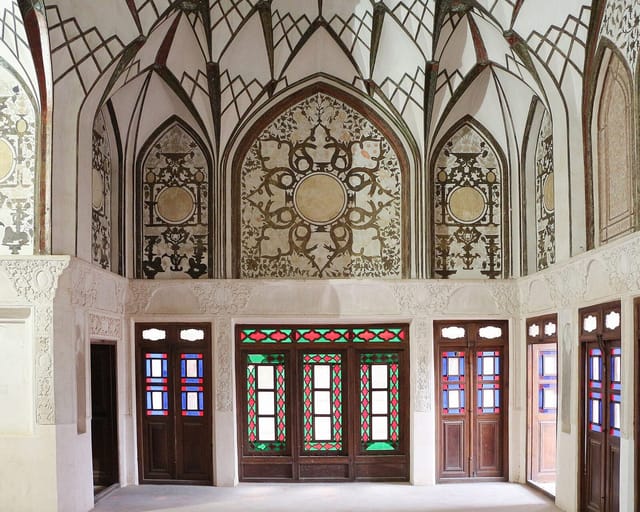
Divorce is halal in Islam. The Quran gives a husband and wife a lawful, dignified way to part when their marriage no longer brings the peace, love, and mercy it was meant to bring. Allah tells them to part with grace and promises to provide for each of them afterward. Many Muslims carry a heavy sense of shame about divorce, often because of a weak saying that calls it hateful to Allah. The Quran treats divorce as a mercy, and its rules for divorce are among the most detailed in the whole book, all directed to kindness, fairness, and the protection of the weaker party.
What does the Quran say about divorce?
The Quran gives a whole chapter the name Sūrat al-Ṭalāq, “Divorce,” and returns to the subject throughout Sūrat al-Baqara. Its central rule is this:
ٱلطَّلَٰقُ مَرَّتَانِۖ فَإِمۡسَاكُۢ بِمَعۡرُوفٍ أَوۡ تَسۡرِيحُۢ بِإِحۡسَٰنٖ
“Divorce may be pronounced twice; then either keep her in honor or release her with grace.”
The verse gives two honorable paths. Staying married is good when it is done with kindness (maʿrūf), and parting is good when it is done with grace (iḥsān, إحسان). The Quran forbids the third path, holding on to a spouse to harm them: “Do not keep them in order to hurt them and so transgress” (2:231). It also asks those who part not to forget the generosity that once existed between them (2:237).
Then comes a promise that every divorced person can hold on to:
وَإِن يَتَفَرَّقَا يُغۡنِ ٱللَّهُ كُلّٗا مِّن سَعَتِهِۦۚ وَكَانَ ٱللَّهُ وَٰسِعًا حَكِيمٗا
“And if the two separate, Allah will enrich each of them from His abundance. Allah is ever Vast and Wise.”
Did the Prophet ﷺ allow divorce?
He did, and he made it accessible to women as well as men. The wife of Thābit ibn Qays came to him and said that she had no complaint about her husband’s character or his faith, and that she could not stay with him. Her words, as preserved by Ibn ʿAbbās:
«يَا رَسُولَ اللَّهِ ثَابِتُ بْنُ قَيْسٍ مَا أَعْتُبُ عَلَيْهِ فِي خُلُقٍ وَلاَ دِينٍ، وَلَكِنِّي أَكْرَهُ الْكُفْرَ فِي الإِسْلاَمِ»
“Messenger of Allah, I find no fault in Thābit ibn Qays, in his character or his religion. But I would hate to fall into ingratitude while in Islam.”
She meant that she could not give him the love and gratitude a marriage asks, and feared wronging him. The Prophet ﷺ asked whether she would return the garden Thābit had given her as her dower. She agreed, and he told Thābit to accept it and release her. This became the basis of khulʿ (خلع), the divorce a wife initiates. The Prophet ﷺ did not ask her to prove abuse, and he did not lecture her about patience. Her unhappiness was reason enough.
The Prophet’s ﷺ household also knew divorce. He once divorced his wife Ḥafṣa and then took her back (Sunan Abi Dawud 2283, graded sahih by al-Albani), and he married Zaynab bint Jaḥsh after her marriage to Zayd ibn Ḥāritha had ended. The Companions, men and women, divorced and remarried without stigma.
Is divorce the most hated lawful thing to Allah?
This well-known saying, “the most hated of lawful things to Allah is divorce,” is recorded in Sunan Abi Dawud 2178. Its chain is weak. Abu Dawud also records it from the Successor Muḥārib ibn Dithār directly from the Prophet ﷺ, with no Companion named (Sunan Abi Dawud 2177), and the great hadith critics judged this incomplete (mursal) version to be the original. Abu Hatim al-Razi said so in his ʿIlal, al-Daraqutni said “the mursal is more likely,” al-Bayhaqi doubted that the connected version was accurately preserved, and al-Albani graded the hadith weak.
What the tradition does teach is that divorce should never be casual or cruel. The jurists expressed this through the five legal categories. Ibn Qudama (d. 1223) explained in al-Mughnī that divorce can be obligatory, recommended, permitted, disliked, or forbidden, depending on the circumstances. A divorce pronounced in anger over nothing is disliked; a divorce that frees someone from a marriage that harms them is good. The ruling follows the welfare of the people involved.
Can a woman ask for a divorce?
She can, by several routes the schools of law developed. A wife may seek a khulʿ, as Thābit’s wife did. She may ask a judge to dissolve the marriage because of harm (ḍarar); the Maliki school in particular gave judges wide power to do this, and the Quran’s call for arbiters from both families (4:35) underlies the process. She may also hold a delegated right of divorce (ʿiṣma or tafwīḍ) written into her marriage contract. The details are set out in Can a Muslim woman divorce her husband?
If a marriage involves violence or threats, a woman’s safety comes first. Contact local emergency services or a domestic violence hotline, and see What does Islam say about domestic violence?
How should Muslims divorce well?
- Seek reconciliation first, when it is safe. The Quran asks each family to appoint an arbiter and promises that “if they want to set things right, Allah will bring them together” (4:35).
- Use a single pronouncement. The Quran’s two-stage divorce gives time to reflect. In the time of the Prophet ﷺ and Abu Bakr, three divorces pronounced at once counted as a single divorce (Sahih Muslim 1472a), and many jurists, Ibn Taymiyya among them, held the same (Is triple talaq valid?).
- Honor the financial rights. The wife keeps her dower (What is mahr?) and receives maintenance through her waiting period, and the Quran asks for a parting gift “in kindness” (2:241).
- Protect the children. “No mother shall be harmed because of her child, nor any father because of his child” (2:233). Children need both parents, and parents need to speak of each other with respect.
- Keep the generosity. “Do not forget graciousness between you” (2:237).
Beginning again
Divorce often feels like failure. In the Quran it is a door Allah opened out of mercy, with a promise of provision on the other side. Sūrat al-Ṭalāq, the chapter of divorce, tells the believers that “whoever is mindful of Allah, He will make a way out for them and provide for them from where they never expected” (Quran 65:2–3). May Allah heal every heart that has passed through a divorce, and grant each one rest, provision, and love again.
And Allah knows best. والله أعلم
Frequently asked questions
Is divorce haram in Ramadan?
No. The Quran sets no season for divorce, and a marriage may end in Ramadan as in any other month. The main timing rule in the Sunnah is that a husband should not pronounce divorce while his wife is menstruating.
Is 'the most hated lawful thing to Allah is divorce' a real hadith?
It is recorded in Sunan Abi Dawud (2178), but leading hadith critics, including Abu Hatim al-Razi and al-Daraqutni, judged the connected chain mistaken and the report mursal, and al-Albani graded it weak.
Can a woman ask for a divorce in Islam?
Yes. She can seek a khulʿ, ask a court for dissolution because of harm, or hold a right of divorce delegated to her in the marriage contract. These routes are explained in a separate answer.
Is it a sin to remarry after divorce?
No. The Companions, men and women, remarried after divorce without any stigma, and the Prophet ﷺ himself married Zaynab bint Jahsh after her divorce.
Related questions
Sources
- Sahih al-Bukhari 5273 (the khulʿ of Thābit ibn Qays's wife)
- Sunan Abi Dawud 2177–2178 (the 'most hated lawful thing' report)
- Ibn Abi Hatim, ʿIlal al-Ḥadīth; al-Daraqutni, al-ʿIlal; al-Albani, Irwāʾ al-Ghalīl 2040
- Ibn Qudama, al-Mughnī, Book of Divorce
- Kecia Ali, Marriage and Slavery in Early Islam (Harvard University Press, 2010)
Image: Bernard Gagnon, Interior of the Tabatabaei House, Kashan, 2016. CC BY-SA 4.0, via Wikimedia Commons.. Image credits
