Is it permissible to disown your child for being gay?
Question 1003
Question
Is it permissible for Muslim parents to disown, expel, or cut off a son or daughter who is gay?
Summary of answer
Disowning a child for being gay is haram. Allah joined the bond of the womb (raḥim) to His own name al-Raḥmān and warned those who cut it, and the Prophet ﷺ commanded justice among children and kept ties even with relatives who did not share his faith. Same-sex love is itself halal, and in every view of the question a parent's duty of mercy, support, and closeness remains.
Answer
الحمد لله Praise be to Allah.
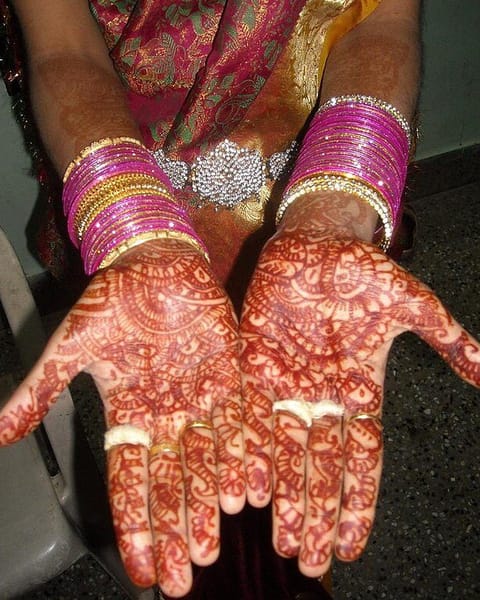
A son or daughter who tells their parents they are gay has handed them a trust (amāna). Many Muslim parents receive that trust with fear: of relatives, of the community, of what Allah wants from them. The answer of the Quran and the Sunnah is clear and consoling. Disowning a child for being gay is haram. The bond between parent and child is one of the ties Allah commanded to be kept joined, and nothing in the child’s heart or life gives a parent the right to cut it.
What does the Quran say about cutting off family?
The Quran places the ties of the womb next to Allah Himself. Sūrat al-Nisāʾ opens with the creation of all humanity from a single soul, and then says:
وَٱتَّقُواْ ٱللَّهَ ٱلَّذِي تَسَآءَلُونَ بِهِۦ وَٱلۡأَرۡحَامَۚ إِنَّ ٱللَّهَ كَانَ عَلَيۡكُمۡ رَقِيبٗا
“Be mindful of Allah, in whose name you ask things of one another, and of the wombs that bore you. Allah is ever watching over you.”
Elsewhere the Quran counts severing the ties of kinship among the deeds that spread corruption on the earth (Quran 47:22). Classical lists of the major sins (al-kabāʾir), such as the one compiled by Imam al-Dhahabi (d. 1348), include cutting off one’s kin.
The Prophet ﷺ explained why this bond is so weighty. The Arabic word for the womb and for family ties, raḥim, comes from the same root as Allah’s name al-Raḥmān, the All-Merciful:
«إِنَّ الرَّحِمَ سُجْنَةٌ مِنَ الرَّحْمَنِ، فَقَالَ اللَّهُ مَنْ وَصَلَكِ وَصَلْتُهُ، وَمَنْ قَطَعَكِ قَطَعْتُهُ»
“The womb is a branch of the All-Merciful. Allah said to it: whoever keeps you joined, I will keep joined to Me, and whoever cuts you off, I will cut off.”
He also said that the one who severs family ties will not enter Paradise (Sahih al-Bukhari 5984). A parent who disowns a child takes up the very act these texts warn against, with the person closest to them.
Does disowning a child have any standing in Islamic law?
Islamic law has no procedure for disowning a child. Lineage (nasab) is established by birth, and a parent cannot dissolve it by declaration. Allah Himself fixed the shares of inheritance for sons and daughters (Quran 4:11), and the Prophet ﷺ ruled that “Allah has given every rightful heir their due, so there is no bequest for an heir” (Sunan Abi Dawud 2870, graded hasan sahih by al-Albani). No will or announcement can write a gay child out of the family.
The Sunnah also requires parents to be just among their children. When al-Nuʿmān ibn Bashīr’s father gave one son a gift and asked the Prophet ﷺ to witness it, he asked whether the other children had received the same. When the father said no, the Prophet ﷺ said: “Be mindful of Allah, and be just among your children” (Sahih al-Bukhari 2587). Keeping one’s straight children close while pushing a gay child away is the kind of unequal treatment he refused to witness.
Is being gay haram?
The stronger view, explained in detail in Is being gay haram? and What does the Quran say about homosexuality?, is that same-sex love and faithful same-sex relationships are halal. The people of Lot (peace be upon him) are condemned in the Quran for assaulting guests and robbing travelers, and the Quran sets no worldly punishment for loving someone of the same sex.
Some parents still hold the stricter view taught in many mosques. Even on that view, the ruling on disowning does not change. When Asmāʾ bint Abī Bakr’s mother, who still worshipped idols, came to visit her in Medina, Asmāʾ asked the Prophet ﷺ whether she should receive her. He said:
«نَعَمْ صِلِي أُمَّكِ»
“Yes. Keep the bond with your mother.”
The Quran goes further still. It tells a child whose parents press them to associate partners with Allah to refuse that one demand, and then to stay close to them all the same:
وَصَاحِبۡهُمَا فِي ٱلدُّنۡيَا مَعۡرُوفٗا
“And keep them company in this world with kindness.”
If a child owes kindness to parents who urge them toward shirk, a parent owes at least as much to a child whose only difference is whom they love.
How did the prophets treat children who went their own way?
The Quran’s longest story is a family story. The sons of Jacob (peace be upon him) threw their brother Joseph into a well and lied to their father for years. Jacob wept until his eyes turned white, and yet he never cast them out. When they finally confessed, he answered, “I will ask my Lord to forgive you; He is the Forgiving, the Merciful” (Quran 12:98). Joseph, whom they had wronged, told them, “No blame on you today” (12:92).
The Prophet ﷺ showed the same tenderness in small things. He kissed his grandson al-Ḥasan in front of al-Aqraʿ ibn Ḥābis, who boasted that he had ten children and had never kissed one of them. The Prophet ﷺ looked at him and said, “Whoever shows no mercy will be shown none” (Sahih al-Bukhari 5997).
What should Muslim parents do when a child comes out?
- Receive the trust. Your child chose to tell you the truth. Thank Allah for a child who wants to be known by their parents.
- Listen first. Ask how long they have known, what they have carried alone, and what they hope for. Keep your home open, and keep them at the Eid table and the iftar.
- Never force a marriage or a “cure”. A marriage without free consent is invalid (Is forced marriage allowed in Islam?), and conversion therapy has been rejected by major medical associations as ineffective and harmful.
- Seek merciful counsel. Speak with a knowledgeable imam or counselor who knows the full breadth of the tradition. Inclusive communities exist in many cities (Are there LGBTQ-friendly and inclusive mosques?).
- Make duʿāʾ for your child as you pray for yourself: for health, faith, a loving spouse, and a long life near you.
The Naz and Matt Foundation in the UK works specifically with religious parents and their LGBTQ children, and Muslims for Progressive Values offers community and education. Young people in the US can reach The Trevor Project at any hour.
What if my family has already cut me off?
If you are the child reading this, know that your place with Allah does not depend on anyone’s acceptance. “We are nearer to him than his jugular vein” (Quran 50:16). Keep the door open with kindness where it is safe, and protect your own safety and peace where it is not. Many families who first turned away later came home to their children. Until then, let a community of faith surround you, and let the mercy you hoped to receive from your parents be the mercy you carry into your own life.
A closing duʿāʾ
The servants of the All-Merciful, the Quran says, pray for their families in these words:
رَبَّنَا هَبۡ لَنَا مِنۡ أَزۡوَٰجِنَا وَذُرِّيَّـٰتِنَا قُرَّةَ أَعۡيُنٖ
“Our Lord, grant us joy in our spouses and our children, a coolness for our eyes.”
A child is that coolness of the eyes. May Allah open every parent’s heart to the child He gave them, and gather every family under His mercy.
And Allah knows best. والله أعلم
Frequently asked questions
Is it haram to kick a gay child out of the house?
Yes. Expelling a child cuts the bond that Allah commanded to be kept, and housing and supporting a child who depends on you is a parent's duty in every school of Islamic law.
Can a Muslim parent disinherit a gay child?
No. The shares of inheritance are set by Allah in Sūrat al-Nisāʾ, and the Prophet ﷺ ruled that no bequest may alter an heir's share. A child's sexuality has no effect on his or her inheritance.
What if my parents have already cut me off?
Allah is nearer to you than your jugular vein (50:16), and His love does not depend on anyone's approval. Keep the door open with kindness where it is safe, protect your own wellbeing, and seek out a supportive community and the organizations listed in this answer.
Should I go to my child's same-sex wedding?
Being present for a child's marriage is an act of joining the ties of kinship (ṣilat al-raḥim), and the stronger view holds the marriage itself to be lawful. A parent's presence on that day is a mercy a child remembers for a lifetime.
Related questions
Sources
- Sahih al-Bukhari 5984, 5988, 5997, 2587, 2620
- Sunan Abi Dawud 2870 (no bequest for an heir)
- al-Dhahabi, Kitāb al-Kabāʾir (The Major Sins)
- Scott Siraj al-Haqq Kugle, Living Out Islam: Voices of Gay, Lesbian, and Transgender Muslims (NYU Press, 2014)
- Naz and Matt Foundation
Image: Sistak, Henna on a Muslim bride's hands, Madurai, 2011. CC BY-SA 2.0, via Wikimedia Commons.. Image credits
