Can two Muslims of the same sex marry?
Question 1004
Question
Can two Muslims of the same sex marry each other with a nikah, and how is such a marriage conducted?
Summary of answer
Two Muslims of the same sex may marry, on the stronger view. A nikah is a contract of free consent between two people, sealed with a mahr and witnesses, and lived in kindness (4:19) with affection and mercy (30:21). Imams in South Africa, the United States, and Europe have performed same-sex nikahs since the late 1990s, and a civil marriage, where the law allows it, protects the couple's rights.
Answer
الحمد لله Praise be to Allah.
Two Muslims of the same sex who love each other often ask whether they can marry before Allah, with a nikah, as their parents did. The stronger view (al-rājiḥ) is that they can. A nikah is a covenant between two people who give their free consent, seal it with a gift (mahr) before witnesses, and promise to live together in kindness. Same-sex marriage in Islam rests on these same foundations, and imams on three continents have performed such marriages since the late 1990s.
What makes a nikah valid in Islam?
The scholars set out the pillars of the marriage contract with care. Both parties must consent freely; the Prophet ﷺ forbade that a woman be married without her agreement (Sahih al-Bukhari 5136), and the jurists applied the same principle to every spouse. One party makes the offer (ījāb) and the other accepts it (qabūl) in the same sitting. The contract includes a mahr, a gift that honors the covenant (4:4). Two trustworthy witnesses attend, and the marriage is announced to the community so that it is never hidden.
Abu Hanifa (d. 767) held that an adult woman may conclude her own marriage contract without a guardian (wali), and adult men have always done so in every school (Can a Muslim woman marry without a wali?). So two adults of the same sex can fulfill each pillar themselves.
The Quran calls the marriage bond a solemn covenant:
وَأَخَذۡنَ مِنكُم مِّيثَٰقًا غَلِيظٗا
“And they have taken from you a solemn covenant.”
That covenant (mīthāq ghalīẓ) is a promise of faithfulness, support, and care. Each of those duties can be carried by two husbands or two wives as fully as by a husband and wife.
What does the Quran say marriage is for?
The Quran describes the purpose of marriage in words that apply to every faithful couple:
وَمِنۡ ءَايَٰتِهِۦٓ أَنۡ خَلَقَ لَكُم مِّنۡ أَنفُسِكُمۡ أَزۡوَٰجٗا لِّتَسۡكُنُوٓاْ إِلَيۡهَا وَجَعَلَ بَيۡنَكُم مَّوَدَّةٗ وَرَحۡمَةً
“Among His signs is that He created for you, from among yourselves, spouses in whom you find rest, and placed between you affection and mercy.”
Spouses are “a garment for one another” (2:187), and the Quran commands them to “live together in kindness” (Quran 4:19). Rest (sakan), affection (mawadda), and mercy (raḥma) are what a marriage exists to give. The Prophet ﷺ saw marriage as the natural home of love:
«لَمْ نَرَ لِلْمُتَحَابَّيْنِ مِثْلَ النِّكَاحِ»
“We have seen nothing like marriage for two who love each other.”
Sunan Ibn Majah 1847 (graded sahih by al-Albani)
Two people of the same sex who love each other need what every couple needs: a covenant that protects their love, a community that honors it, and a home in which to worship Allah together.
Is same-sex marriage haram?
Most jurists, classical and modern, have restricted the nikah to a man and a woman. They reasoned from the story of Lot and from rules of lineage and inheritance that assume a husband and a wife. This is a recognized opinion, and many Muslims hold it in good faith.
The stronger view answers from the Quran itself. The story of Lot condemns a mob that tried to seize guests and robbed travelers, and it says nothing about two people bound in a faithful covenant (What does the Quran say about homosexuality?). The purposes of marriage named in the Quran, rest, affection, mercy, and chastity, are fully present in a same-sex marriage. Where classical rules assign different roles to a husband and a wife, the couple settle those matters in the contract, as Islamic law allows spouses to add conditions to the contract, most fully in the Hanbali school. The objectives of the sharia (maqāṣid al-sharīʿa, مقاصد الشريعة) include protecting family and honor, and a marriage protects both far better than a life kept secret. The full ruling on same-sex love is in Is being gay haram?
Who performs same-sex nikahs?
Muhsin Hendricks (1967–2025), an imam in Cape Town, officiated Muslim same-sex marriages from 1998 onward. Daayiee Abdullah (1954–2025), an imam in Washington, D.C., reported in 2015 that he had officiated 65 marriages, same-sex and interfaith couples among them. Ludovic-Mohamed Zahed married his husband in a civil ceremony in Cape Town in 2011, and an imam blessed the marriage with a religious ceremony in France in 2012.
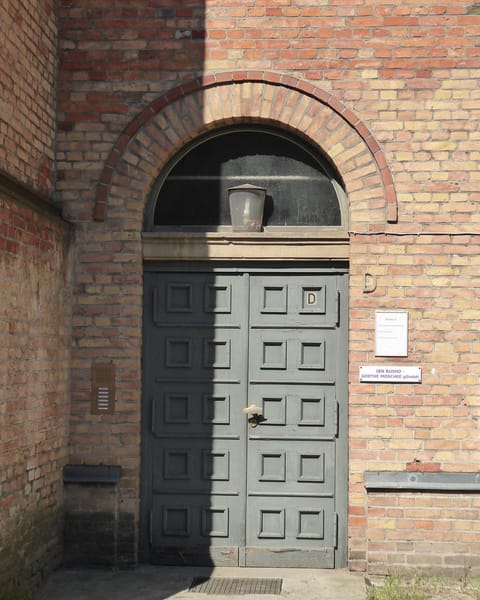
Communities that welcome LGBTQ Muslims include the Ibn Rushd-Goethe Mosque in Berlin, founded in 2017 by the lawyer and imam Seyran Ateş, and the El-Tawhid Juma Circle in Toronto, founded in 2009 (Are there LGBTQ-friendly and inclusive mosques?).
How do two Muslims of the same sex hold a nikah?
- Agree on the contract. Write down the mahr and any conditions you want: where you will live, how you will share money, how you will raise children.
- Invite witnesses. Two trustworthy adults are the minimum; family and friends make the announcement complete.
- Speak the offer and acceptance. Each spouse says the words of marriage freely, before Allah and the witnesses. No one may be pressured into any marriage (Is forced marriage allowed in Islam?).
- Ask an imam or a knowledgeable friend to give a short sermon and make duʿāʾ for you.
- Register a civil marriage where the law allows it. Since the Netherlands became the first country to recognize same-sex marriage in 2001, many countries have followed. Civil registration protects inheritance, medical decisions, and children.
Some families need time. Parents are commanded to keep the bond with their children whatever they think of the marriage (Is it permissible to disown your child for being gay?), and a parent’s presence on the wedding day is a mercy a child remembers for life.
A closing duʿāʾ
When the Prophet ﷺ congratulated someone on a marriage, he prayed:
«بَارَكَ اللَّهُ لَكَ وَبَارَكَ عَلَيْكَ وَجَمَعَ بَيْنَكُمَا فِي خَيْرٍ»
“May Allah bless you, pour His blessing upon you, and bring the two of you together in goodness.”
May every couple who marry for the sake of Allah find in each other the rest, affection, and mercy He promised.
And Allah knows best. والله أعلم
Frequently asked questions
Is a same-sex nikah valid without a wali?
Adult men contract their own marriages in every school of Islamic law. For two women, Abu Hanifa held that an adult woman may conclude her own marriage contract, so a wali is welcome as a blessing of family support and is not a condition.
Who gives the mahr in a same-sex marriage?
The mahr is a gift that seals the covenant. The couple agree in the contract whether one or both of them give it, and what it will be.
Is a civil same-sex marriage enough?
A civil marriage protects inheritance, medical decisions, and parental rights. Many couples also hold a nikah, with consent spoken before witnesses and a mahr, so that their marriage is made before Allah as well as the state.
What is the Shia view on same-sex marriage?
Jaʿfari jurists, like the four Sunni schools, historically restricted the nikah to a man and a woman. The Quranic evidence for the stronger view, and the elements of the contract, are shared by Sunni and Shia Muslims alike.
Related questions
Sources
- Sahih al-Bukhari 5136 (no marriage without the bride's consent)
- Sunan Ibn Majah 1847 (nothing like marriage for two who love each other)
- Kecia Ali, Sexual Ethics and Islam: Feminist Reflections on Qur'an, Hadith, and Jurisprudence (Oneworld, 2006; expanded 2016)
- Scott Siraj al-Haqq Kugle, Living Out Islam: Voices of Gay, Lesbian, and Transgender Muslims (NYU Press, 2014)
- El-Tawhid Juma Circle (Toronto Unity Mosque)
Image: Fridolin freudenfett, Entrance to the Ibn Rushd-Goethe Mosque at the Johanniskirche, Berlin-Moabit, 2017. CC BY-SA 4.0, via Wikimedia Commons.. Image credits
