What does the Quran say about homosexuality?
Question 1002
Question
What does the Quran say about homosexuality and same-sex relationships, and what do the verses about the people of Lot mean?
Summary of answer
The Quran has no word for homosexuality and sets no worldly punishment for same-sex love. Its verses on the people of Lot condemn a town that tried to seize guests, robbed travelers, and forbade hospitality to strangers (11:78, 15:70, 29:29). Most classical exegetes read 4:15–16 as verses about zina between a man and a woman. The Quran's teaching on human diversity (49:13) and on love and mercy between partners (30:21) belongs to every believer.
Answer
الحمد لله Praise be to Allah.
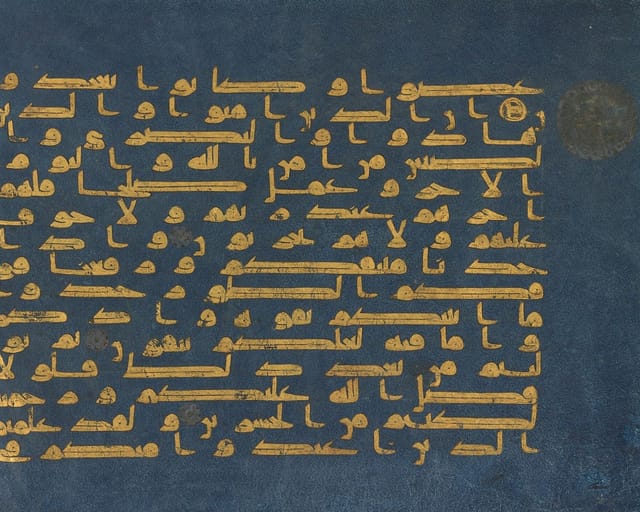
The Quran never names homosexuality. It has no word for sexual orientation, and it sets no worldly punishment for love between two people of the same sex. What people mean when they ask what the Quran says about homosexuality is almost always the story of Lot (peace be upon him), told in seven surahs, together with two verses in Sūrat al-Nisāʾ. Read closely and in order, the story of Lot is an account of a town that assaulted strangers, robbed travelers, and drove out the righteous. The stronger view (al-rājiḥ) draws its ruling from that reading: same-sex love and faithful same-sex relationships are halal.
Does the Quran mention homosexuality?
The passages that speak of the people of Lot are 7:80–84, 11:77–83, 15:57–77, 26:160–175, 27:54–58, 29:28–35, and 54:33–39. Outside them, only 4:15–16 is regularly cited on the subject. The word liwāṭ, which later jurists used for sex between men, is formed from Lot’s name and does not occur anywhere in the Book.
The Quran is the measure by which every later report and ruling is weighed (How should the Quran be interpreted?). So the first task is to hear what these passages say in their own words.
What happened in the story of Lot?
The story begins with hospitality. Angels come to Lot in the form of men, and he is distressed for them, knowing his town (11:77). The men of the city come “rushing to him” (11:78), and Lot pleads at his door:
فَٱتَّقُواْ ٱللَّهَ وَلَا تُخۡزُونِ فِي ضَيۡفِيٓ
“Be mindful of Allah, and do not disgrace me through my guests.”
The Quran then says that “they tried to take his guests from him” (54:37). The crowd’s answer to Lot in Sūrat al-Ḥijr shows that the town had already forbidden him to shelter anyone from outside:
قَالُوٓاْ أَوَلَمۡ نَنۡهَكَ عَنِ ٱلۡعَٰلَمِينَ
“They said, ‘Did we not forbid you to take in outsiders?’”
In Sūrat al-ʿAnkabūt, Lot lists the town’s crimes together: they go after men, they rob travelers on the road, and they commit outrages openly in their gatherings (Quran 29:29). Their reply to all his preaching was to demand that Lot and his family be driven out of the city (7:82, 27:56).
Taken as a whole, the story describes a mob that set out to rape two strangers, a town that made robbery and humiliation of outsiders its custom, and a people who answered their prophet with expulsion. Scott Siraj al-Haqq Kugle, in Homosexuality in Islam (2010), shows how each telling adds a detail to this picture of violence and inhospitality.
What about “you approach men with desire instead of women”?
Two verses speak of the townsmen’s desire. In Sūrat al-Aʿrāf, Lot says they approach men “with lust instead of women” and calls them a people who exceed all bounds (7:81). In Sūrat al-Shuʿarāʾ he asks whether they will leave the wives their Lord created for them (26:165–166).
Classical exegetes read these verses as a condemnation of sex between men as such, and that reading shaped the later law. It is a recognized interpretation, and many Muslims hold it today. The stronger reading attends to what the Quran itself joins to the charge. The men of the town had wives, and they turned on strangers with a lust that the same passages tie to assault, robbery, and contempt for guests. The word the Quran uses for them, musrifūn, describes people who go to excess. A married mob attacking travelers tells us about violence and domination; it says nothing about two people of the same sex who love each other and keep faith with each other. That reading is set out in full in Is being gay haram?
What do verses 4:15–16 mean?
Sūrat al-Nisāʾ speaks of women who commit an indecency (fāḥisha) and then of “the two among you who commit it” (4:16). Some modern preachers apply these verses to gay men and lesbians. Most classical exegetes read them differently. Al-Tabari (d. 923), the great early commentator, preferred the view that 4:16 refers to an unmarried man and woman who commit zina, and most classical scholars held that both verses were later superseded by the ruling in Sūrat al-Nūr.
The verse also ends with mercy: “If the two repent and set things right, leave them be. Allah is ever Relenting, Merciful” (4:16).
What does the Quran say about love and human difference?
The Quran celebrates the variety of creation. Allah “creates what He wills” (42:49), and He made human beings different from one another for a purpose:
إِنَّا خَلَقۡنَٰكُم مِّن ذَكَرٖ وَأُنثَىٰ وَجَعَلۡنَٰكُمۡ شُعُوبٗا وَقَبَآئِلَ لِتَعَارَفُوٓاْۚ إِنَّ أَكۡرَمَكُمۡ عِندَ ٱللَّهِ أَتۡقَىٰكُمۡ
“We created you from a male and a female, and made you peoples and tribes so that you might come to know one another. The noblest of you in Allah’s sight is the most mindful of Him.”
The Quran also knows of men who have no desire for women. Sūrat al-Nūr lists, among those before whom women may relax their covering, “male attendants who have no desire” (24:31), and the wives of the Prophet ﷺ counted a gender-variant man of Medina among them (Is being transgender haram?).
What the Quran asks of every couple is the same: that they find tranquility in each other, with affection and mercy between them (30:21). Two people of the same sex can live that verse, and many do in faithful marriages (Can two Muslims of the same sex marry?).
Why do many Muslims believe the Quran forbids homosexuality?
Most Muslims learned the classical reading of the Lot story from teachers they trust, and that reading was strengthened by hadith reports and juristic rulings outside the Quran. Those reports differ in strength, and the jurists disagreed sharply about them (Are all hadith authentic?). Returning to the Quran’s own words is an act of reverence for the Book, and many renewals in the tradition have begun there.
A closing duʿāʾ
The Quran asks its readers to approach it with humility and a hunger to understand. The Prophet ﷺ was taught this prayer:
رَّبِّ زِدۡنِي عِلۡمٗا
“My Lord, increase me in knowledge.”
May Allah open the meaning of His Book to every heart that seeks Him, and make it a source of mercy for all His servants.
And Allah knows best. والله أعلم
Frequently asked questions
Does the word liwāṭ appear in the Quran?
No. Liwāṭ is a later legal term formed from the name of Lot; the Quran never uses it, and it has no word for homosexuality at all.
Does the Quran say gay people will be punished in the hereafter?
No verse in the Quran promises punishment in the hereafter for loving someone of the same sex. The punishment in Lot's story fell on a town that assaulted guests, robbed travelers, and tried to drive out its prophet.
What does the Quran say about lesbians?
Nothing explicit. A few exegetes read 4:15 as a verse about women together, while most, al-Tabari among them, read the passage as concerning zina between a man and a woman.
Do Shia exegetes read the Lot story differently?
Classical Shia and Sunni exegetes both read the story as a condemnation of sex between men. The close reading set out here rests on the Arabic text that both communities share.
Related questions
Sources
- al-Tabari, Jāmiʿ al-Bayān ʿan Taʾwīl Āy al-Qurʾān (commentary on 4:15–16 and the Lot passages)
- Scott Siraj al-Haqq Kugle, Homosexuality in Islam: Critical Reflection on Gay, Lesbian, and Transgender Muslims (Oneworld, 2010)
- Kecia Ali, Sexual Ethics and Islam: Feminist Reflections on Qur'an, Hadith, and Jurisprudence (Oneworld, 2006; expanded 2016)
- Quran 7:80–84, 11:77–83, 15:57–77, 26:160–175, 27:54–58, 29:28–35, 54:33–39
Image: Unknown calligrapher, Folio from the Blue Qurʾan (Sūrat al-Baqara 2:62), c. 950. Chester Beatty Library, Dublin (Is 1405A). Public domain, via Wikimedia Commons.. Image credits
.jpg)