Does Allah forgive all sins?
Question 1033
Question
Will Allah forgive any sin, even a very serious one or one I keep repeating, if I repent?
Summary of answer
Allah forgives all sins for whoever turns back to Him. The Quran tells those who have wronged themselves never to despair, "for Allah forgives all sins" (39:53), and promises to turn the bad deeds of the repentant into good ones (25:70). The Prophet ﷺ taught that Allah forgives a servant who returns to Him again and again. Wrongs done to other people are repaired by making amends where one can.
Answer
الحمد لله Praise be to Allah.
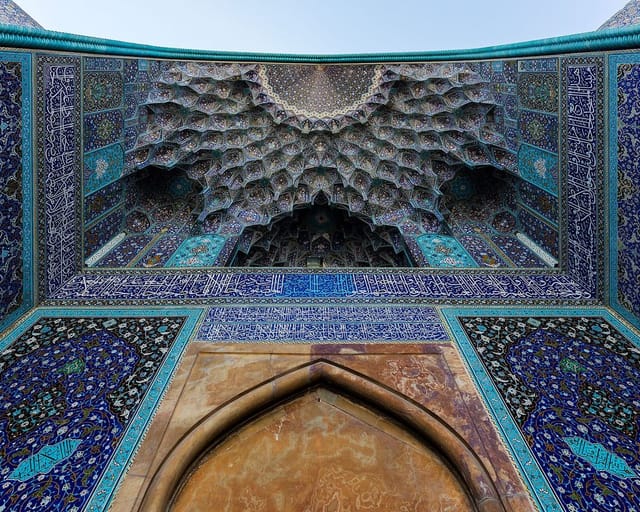
Almost every Muslim has asked this in a hard moment: does Allah forgive all sins, even mine? The Quran answers in its own words. Allah forgives all sins for whoever turns back to Him. No sin is too great, too old, or too often repeated for His forgiveness, and the door of repentance (tawba, توبة) stays open until the soul reaches the throat (Jamiʿ al-Tirmidhi 3537).
What does the Quran say about forgiving all sins?
The clearest verse on this question is one of the most hopeful in the whole Quran:
قُلۡ يَٰعِبَادِيَ ٱلَّذِينَ أَسۡرَفُواْ عَلَىٰٓ أَنفُسِهِمۡ لَا تَقۡنَطُواْ مِن رَّحۡمَةِ ٱللَّهِۚ إِنَّ ٱللَّهَ يَغۡفِرُ ٱلذُّنُوبَ جَمِيعًاۚ إِنَّهُۥ هُوَ ٱلۡغَفُورُ ٱلرَّحِيمُ
“Say: My servants who have wronged themselves, never despair of the mercy of Allah, for Allah forgives all sins. He is the All-Forgiving, the All-Merciful.”
Allah calls the sinners “My servants.” He does not disown them; He claims them. Ibn ʿAbbās (may Allah be pleased with him) reported that this verse was revealed for people who had killed many and committed adultery many times, and who came to the Prophet ﷺ asking whether there was any expiation for what they had done (Sahih al-Bukhari 4810). The answer was this verse.
Sūrat al-Furqān goes further. After naming the gravest sins, it says:
إِلَّا مَن تَابَ وَءَامَنَ وَعَمِلَ عَمَلٗا صَٰلِحٗا فَأُوْلَـٰٓئِكَ يُبَدِّلُ ٱللَّهُ سَيِّـَٔاتِهِمۡ حَسَنَٰتٖ
“Except whoever repents, believes and does good: for them Allah will change their bad deeds into good deeds.”
Repentance does more than erase. It transforms the very record of a life.
Is there any sin Allah will not forgive?
Some readers worry about the verse “Allah does not forgive that partners be associated with Him, and He forgives anything less than that for whom He wills” (4:48). The scholars of tafsīr explain that this verse speaks of a person who meets Allah still associating partners with Him, while 39:53 speaks of the one who turns back. The great Companions had themselves worshipped idols before Islam, and Allah forgave them completely. Any sin a person turns away from in this life is forgiven.
The wider question, of what becomes of people who never turned to Allah in this life, is treated in Do non-Muslims go to hell? and Is hell eternal in Islam?.
How do you ask Allah for forgiveness?
In the chapter on repentance in Riyāḍ al-Ṣāliḥīn, Imam al-Nawawi (d. 1277) gathers the conditions the scholars set for tawba:
- Stop the sin.
- Regret having done it.
- Resolve not to return to it.
- If the sin wronged another person, restore their right: return what was taken, or seek their pardon.
None of this requires a priest, a ritual, or a public confession. You turn to Allah in your own words, in any language, at any hour. The Prophet ﷺ conveyed this from his Lord in a hadith qudsī:
«يَا ابْنَ آدَمَ لَوْ بَلَغَتْ ذُنُوبُكَ عَنَانَ السَّمَاءِ ثُمَّ اسْتَغْفَرْتَنِي غَفَرْتُ لَكَ وَلاَ أُبَالِي»
“Son of Adam, if your sins reached the clouds of the sky and then you asked My forgiveness, I would forgive you, and I would not mind.”
Jamiʿ al-Tirmidhi 3540, graded sahih by al-Albani
What about sins against other people?
Wrongs between people carry a debt that must be settled. The Prophet ﷺ asked his Companions who the truly bankrupt person is, and then described someone who arrives on the Day of Judgment with prayer, fasting and charity, but who had insulted one person, slandered another, taken a third person’s wealth and struck a fourth. His good deeds are paid out to those he wronged (Sahih Muslim 2581).
The way through is repair. Apologize, return what you took, and make right what you can. Where the person cannot be reached or has died, the scholars advise praying for them, speaking well of them, and giving charity on their behalf. Allah, who sees every effort, is the best of those who settle accounts.
What if I keep committing the same sin?
Many people stop asking forgiveness because they feel like hypocrites. The Prophet ﷺ answered that fear directly. He described a servant who sinned and said, “My Lord, I have sinned, so forgive me,” and Allah said, “My servant knew he has a Lord who forgives sins,” and forgave him. The servant sinned again and asked again, and was forgiven again, and a third time (Sahih al-Bukhari 7507).
The Prophet ﷺ even said that the need for forgiveness is part of being human:
«لَوْ لَمْ تُذْنِبُوا لَذَهَبَ اللَّهُ بِكُمْ وَلَجَاءَ بِقَوْمٍ يُذْنِبُونَ فَيَسْتَغْفِرُونَ اللَّهَ فَيَغْفِرُ لَهُمْ»
“If you did not sin, Allah would take you away and bring a people who sin, then ask Allah’s forgiveness, and He forgives them.”
Each return is an act of faith. Keep returning. If guilt has turned into despair that will not lift, speak with someone you trust or a counselor: Is depression a lack of faith? explains why seeking help is part of the Sunnah.
The man who killed ninety-nine people
The Prophet ﷺ told of a man among the Children of Israel who had killed ninety-nine people. He went to a monk and asked whether he could repent, and the monk said no. In his despair the man killed him too, making a hundred. He kept asking until he found a scholar, who said: “Yes. What could stand between you and repentance?” The scholar sent him to a town where people worshipped Allah, and he died on the road. The angels of mercy and the angels of punishment disputed over him, and Allah commanded the earth to draw the good town nearer. He was found one hand-span closer to it, and he was forgiven (Sahih al-Bukhari 3470; Sahih Muslim 2766a).
The man’s first teacher shut the door that Allah had left open. Let no one, including your own fear, do that to you. For the many ways Allah’s love reaches His servants, see Does Allah love everyone?.
A closing duʿāʾ
The Prophet ﷺ called this prayer the master of all requests for forgiveness (sayyid al-istighfār). Say it in the morning and the evening:
«اللَّهُمَّ أَنْتَ رَبِّي، لاَ إِلَهَ إِلاَّ أَنْتَ، خَلَقْتَنِي وَأَنَا عَبْدُكَ، وَأَنَا عَلَى عَهْدِكَ وَوَعْدِكَ مَا اسْتَطَعْتُ، أَعُوذُ بِكَ مِنْ شَرِّ مَا صَنَعْتُ، أَبُوءُ لَكَ بِنِعْمَتِكَ عَلَىَّ وَأَبُوءُ لَكَ بِذَنْبِي، فَاغْفِرْ لِي، فَإِنَّهُ لاَ يَغْفِرُ الذُّنُوبَ إِلاَّ أَنْتَ»
“O Allah, You are my Lord; there is no god but You. You created me and I am Your servant, and I keep Your covenant and Your promise as far as I am able. I seek refuge in You from the harm of what I have done. I acknowledge Your blessings upon me, and I acknowledge my sin, so forgive me, for none forgives sins but You.”
And Allah knows best. والله أعلم
Frequently asked questions
Does Allah forgive major sins?
Yes. The verse "Allah forgives all sins" (39:53) was revealed for people who had committed killing and adultery and asked whether there was any way back (Sahih al-Bukhari 4810).
Will Allah forgive me if I keep committing the same sin?
The Prophet ﷺ described a servant who sinned, asked forgiveness, and was forgiven, again and again (Sahih al-Bukhari 7507). Keep returning; each return is an act of faith.
What about the verse that says Allah does not forgive shirk?
The scholars explain that 4:48 concerns a person who meets Allah still associating partners with Him. Whoever turns from it in life is forgiven, as the Companions who had once worshipped idols were forgiven.
Do I need to confess my sins to anyone?
No. Repentance is between you and Allah, and the scholars discouraged exposing one's own past sins. Only wrongs against other people require you to go to them and make amends.
Related questions
Sources
- al-Nawawi, Riyāḍ al-Ṣāliḥīn, Bāb al-Tawba (The Chapter on Repentance)
- Abu Hamid al-Ghazali, Iḥyāʾ ʿUlūm al-Dīn, Kitāb al-Tawba
- Sahih al-Bukhari 3470, 4810, 7507
- Jamiʿ al-Tirmidhi 3540
- Sahih Muslim 2749, 2581
Image: Diego Delso, The entrance iwan of the Shah Mosque, Isfahan, 2016. CC BY-SA 4.0, via Wikimedia Commons.. Image credits
