What happens on the Day of Judgment in Islam?
Question 1220
Question
What does Islam teach about the Day of Judgment: what will happen, how will people be judged, and what role do mercy and intercession play?
Summary of answer
On the Day of Judgment (Yawm al-Qiyāma) the trumpet sounds, all people are raised and gathered, and each receives the record of their deeds. Allah sets up scales of justice so that no soul is wronged in the least (21:47), and every victim receives their right from the one who wronged them. Then mercy comes forward: the prophets, angels, and believers intercede, and Allah, whose mercy outstrips His wrath, brings out even those who never did any good.
Answer
الحمد لله Praise be to Allah.
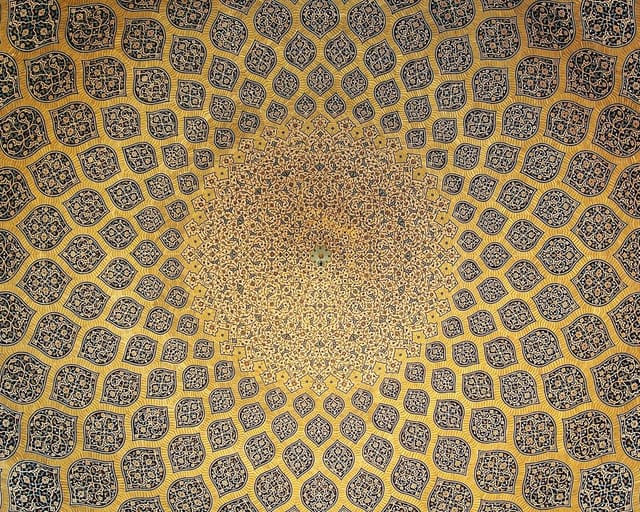
The Day of Judgment is the day every human being is raised, every deed is weighed, and every wrong is put right. The Quran calls it the Day of Resurrection (Yawm al-Qiyāma), the Day of Reckoning (Yawm al-Ḥisāb), and the Day of Judgment (Yawm al-Dīn). In Islam it is first a day of justice: the oppressed are heard, and the oppressor meets the one he wronged. It is also the day when Allah’s mercy appears in its fullness, more vast than anyone expected.
What happens on the Day of Judgment, step by step?
After the waiting of the grave (What happens after death in Islam?), the Day comes in stages:
- The trumpet. The trumpet is blown and all life ends; it is blown again, “and they are standing, looking on” (39:68).
- The gathering. All people, the first generations and the last, are gathered on one plain, and the sun draws near (Sahih al-Bukhari 4712).
- The great intercession. The people go from Adam to Noah, Abraham, Moses, and Jesus (peace be upon them), asking each to plead for them, until they come to Muhammad ﷺ, who bows in prostration before his Lord and is told, “Ask, and it will be given; intercede, and your intercession will be accepted” (Sahih al-Bukhari 7510).
- The books. Each person receives the record of their deeds. The one who receives it in the right hand calls out with joy, “Here, read my book!” (69:19).
- The scales. Deeds are weighed with perfect fairness.
- The bridge. A bridge is set over hell, and the believers cross it, some in the blink of an eye, some like lightning, wind, or swift horses (Sahih Muslim 183a).
How does the scale work on the Day of Judgment?
The Quran promises a reckoning in which nothing is lost:
وَنَضَعُ ٱلۡمَوَٰزِينَ ٱلۡقِسۡطَ لِيَوۡمِ ٱلۡقِيَٰمَةِ فَلَا تُظۡلَمُ نَفۡسٞ شَيۡـٔٗاۖ وَإِن كَانَ مِثۡقَالَ حَبَّةٖ مِّنۡ خَرۡدَلٍ أَتَيۡنَا بِهَا
“We will set up the scales of justice for the Day of Resurrection, and no soul will be wronged in the least. Even the weight of a mustard seed, We will bring it forth.”
The scale leans toward mercy. “Allah does not wrong anyone by an atom’s weight, and if there is a good deed, He multiplies it” (Quran 4:40). The Prophet ﷺ described a man whose ninety-nine scrolls of sins stretch as far as the eye can see, and a single card bearing his testimony of faith. When the card is placed on the scale, the scrolls fly up: “nothing is heavier than the name of Allah” (Jamiʿ al-Tirmidhi 2639, graded sahih by al-Albani).
Why is the Day of Judgment a day of justice for the wronged?
Many people suffer in this world without ever seeing justice: the abused child, the cheated worker, the prisoner tortured in secret. The Quran speaks to them directly:
وَلَا تَحۡسَبَنَّ ٱللَّهَ غَٰفِلًا عَمَّا يَعۡمَلُ ٱلظَّـٰلِمُونَۚ إِنَّمَا يُؤَخِّرُهُمۡ لِيَوۡمٖ تَشۡخَصُ فِيهِ ٱلۡأَبۡصَٰرُ
“Never think that Allah is unaware of what the wrongdoers do. He only gives them respite until a Day when eyes will stare in terror.”
The Prophet ﷺ asked his Companions who the bankrupt person is. He answered that it is the one who comes on the Day of Resurrection with prayer, fasting, and charity, but who also insulted this person, slandered that one, consumed another’s wealth, shed blood, and struck people. His good deeds are handed to those he wronged (Sahih Muslim 2581). Worship does not cancel cruelty. He also said:
«لَتُؤَدُّنَّ الْحُقُوقَ إِلَى أَهْلِهَا يَوْمَ الْقِيَامَةِ حَتَّى يُقَادَ لِلشَّاةِ الْجَلْحَاءِ مِنَ الشَّاةِ الْقَرْنَاءِ»
“Rights will be returned to those they belong to on the Day of Resurrection, even to the hornless sheep against the sheep with horns.”
The Day of Judgment is the promise that the weak are seen. Much of the Quran’s language about the fire is a picture of this justice for the wronged and of the purification of souls, as explained in Is hell eternal in Islam?
Will Allah’s mercy be greater than His justice?
The Prophet ﷺ said that when Allah created the universe, He wrote above His Throne, “My mercy outstrips My wrath” (Sahih al-Bukhari 7422). He made mercy in a hundred parts and sent one into the world, from which every mother’s tenderness comes, keeping ninety-nine with Him (Sahih Muslim 2752a).
On that Day the believers plead for their brothers and sisters in the fire and bring many out. Then comes the moment that closes the long hadith of Abu Saʿīd al-Khudrī:
«شَفَعَتِ الْمَلاَئِكَةُ وَشَفَعَ النَّبِيُّونَ وَشَفَعَ الْمُؤْمِنُونَ وَلَمْ يَبْقَ إِلاَّ أَرْحَمُ الرَّاحِمِينَ فَيَقْبِضُ قَبْضَةً مِنَ النَّارِ فَيُخْرِجُ مِنْهَا قَوْمًا لَمْ يَعْمَلُوا خَيْرًا قَطُّ»
“The angels have interceded, the prophets have interceded, the believers have interceded, and none remains but the Most Merciful of the merciful. He takes a handful from the fire and brings out people who never did any good at all.”
The people of Paradise call them “those whom Allah set free,” admitted without any deed they had done. For what this means for people of other faiths, see Do non-Muslims go to hell? and, for believers who sinned, Will Muslims go to hell for their sins?
When will the Day of Judgment happen?
No one knows. “Its knowledge is with my Lord alone; none but He will reveal it at its time” (7:187). When Jibril asked the Prophet ﷺ about the Hour, he answered that the one asked knew no more than the one asking, and mentioned only a few of its signs (Sahih al-Bukhari 50). The Prophet ﷺ said that if the Hour arrives while one of you holds a sapling, and you can plant it before it comes, plant it (al-Adab al-Mufrad 481).
How should a Muslim prepare for the Day of Judgment?
The surest preparation is to settle accounts with people now. “Whoever has wronged his brother in his honor or anything else, let him seek his pardon today, before there is neither dinar nor dirham” (Sahih al-Bukhari 2449). Return what is owed, apologize to those you hurt, forgive those who hurt you, and trust the One whose mercy is wider than every scale. Abraham (peace be upon him) prayed for that Day with these words:
رَبَّنَا ٱغۡفِرۡ لِي وَلِوَٰلِدَيَّ وَلِلۡمُؤۡمِنِينَ يَوۡمَ يَقُومُ ٱلۡحِسَابُ
“Our Lord, forgive me, my parents, and the believers on the Day the reckoning takes place.”
And Allah knows best. والله أعلم
Frequently asked questions
When will the Day of Judgment happen?
Only Allah knows. The Quran tells the Prophet ﷺ to say that its knowledge is with his Lord alone and that it will come suddenly (7:187). Anyone who sets a date speaks without knowledge.
What is the Sirat bridge?
The Prophet ﷺ described a bridge set over hell on the Day of Resurrection. The believers cross it, some in the blink of an eye, some like lightning or the wind, according to their deeds (Sahih Muslim 183a).
How long is the Day of Judgment?
The Quran describes a day whose length is fifty thousand years (70:4). Many scholars read the number as a picture of the Day's weight and majesty, which Allah lightens for whom He wills.
Will animals be judged on the Day of Judgment?
The Prophet ﷺ said that rights will be restored even to the hornless sheep against the horned one (Sahih Muslim 2582). Scholars took this as a sign that no wrong in creation goes unanswered.
Related questions
Sources
- Sahih Muslim 183a (the bridge, the intercession, and the handful of the Most Merciful)
- Sahih Muslim 2581 (the bankrupt) and 2582 (rights restored)
- Sahih al-Bukhari 7510 (the great intercession)
- Sahih al-Bukhari 7422 (My mercy outstrips My wrath)
- Jamiʿ al-Tirmidhi 2639 (the card)
- al-Ghazali, Iḥyāʾ ʿUlūm al-Dīn, Book 40: The Remembrance of Death and the Afterlife
Image: Phillip Maiwald (Nikopol), The inner dome of the Sheikh Lotfollah Mosque, Isfahan, 2008. CC BY-SA 3.0, via Wikimedia Commons.. Image credits
