What is Jannah (Paradise) like?
Question 1221
Question
What does Islam teach about Jannah, or Paradise: what will it be like, who will be there, and is it described literally or symbolically?
Summary of answer
Jannah, the Garden, is the home Allah prepares for His servants: gardens beneath which rivers flow, where no one hears idle or hurtful talk but only 'peace, peace' (56:25–26), where grief, illness, and fatigue are gone, and where families are joined. Allah says He has prepared 'what no eye has seen and no ear has heard' (Sahih al-Bukhari 3244). Its greatest gifts are the sight of Allah (75:22–23) and His pleasure, which never ends.
﴿فَلَا تَعۡلَمُ نَفۡسٞ مَّآ أُخۡفِيَ لَهُم مِّن قُرَّةِ أَعۡيُنٖ جَزَآءَۢ بِمَا كَانُواْ يَعۡمَلُونَ﴾
No soul knows the joy kept hidden for them, a delight for the eyes, as a reward for what they used to do.
Answer
الحمد لله Praise be to Allah.
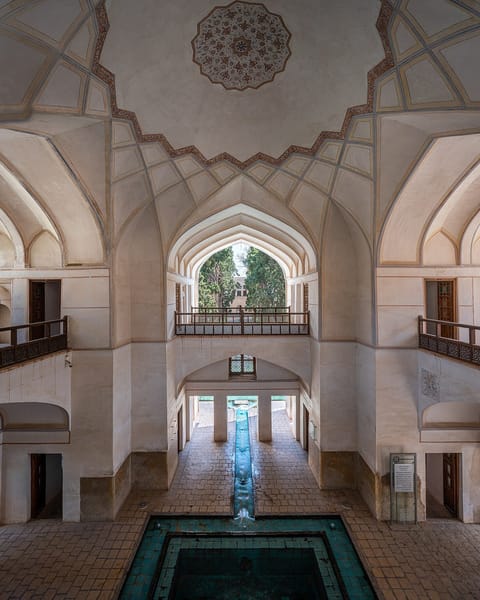
Jannah, the Garden, is the home Allah has prepared for His servants. The Quran describes it in images any human heart can understand: shade, flowing water, fruit, rest, and the company of those we love. Then it tells us that the reality is greater than every image. What is Jannah like? It is a place of peace, where grief is taken away and nothing wearies the soul, and its highest joy is to see Allah and to know that He is pleased with you forever.
What does the Quran say about Jannah?
The Quran describes “gardens beneath which rivers flow” and “pleasant dwellings in the gardens of Eden” (9:72). It speaks of rivers of water that never turns stale, of milk whose taste never changes, of wine that delights those who drink it, and of pure honey (47:15). Its people have “whatever your souls desire, and whatever you ask for” (41:31).
Above all, Jannah is a place of peace (salām). Its people never hear a hurtful word:
لَا يَسۡمَعُونَ فِيهَا لَغۡوٗا وَلَا تَأۡثِيمًا إِلَّا قِيلٗا سَلَٰمٗا سَلَٰمٗا
“They hear no idle talk there, and no talk of sin, only the words: ‘Peace, peace.’”
Allah removes every trace of rancor from their hearts, and they sit “as brothers, on couches, facing one another” (15:47). They say, “All praise belongs to Allah, who has taken all grief away from us,” and “no weariness touches us here, and no fatigue” (35:34–35). The Prophet ﷺ said a voice will announce to them: you will be healthy and never fall ill, live and never die, be young and never grow old, and live in bliss and never know misery (Sahih Muslim 2837).
What has no eye seen and no ear heard?
The Quran’s images are a beginning. The Prophet ﷺ reported that Allah said:
«أَعْدَدْتُ لِعِبَادِي الصَّالِحِينَ مَا لاَ عَيْنَ رَأَتْ، وَلاَ أُذُنَ سَمِعَتْ، وَلاَ خَطَرَ عَلَى قَلْبِ بَشَرٍ»
“I have prepared for My righteous servants what no eye has seen, no ear has heard, and no human heart has ever imagined.”
He then recited: “No soul knows the joy kept hidden for them” (Quran 32:17). The Quran itself introduces its description of the rivers with the word mathal, “a likeness” (47:15). The scholars of every school affirmed that Paradise is real, both its joys of the body and its joys of the spirit, and they also agreed that its reality surpasses anything words can carry. The great Sufi theologian al-Ghazali (d. 1111), at the close of his Iḥyāʾ ʿUlūm al-Dīn, taught that every delight of the Garden is crowned by the joy of meeting Allah.
Will we see Allah in Jannah?
Yes. This is the greatest gift of Paradise:
وُجُوهٞ يَوۡمَئِذٖ نَّاضِرَةٌ إِلَىٰ رَبِّهَا نَاظِرَةٞ
“Faces on that Day will be radiant, gazing at their Lord.”
The Prophet ﷺ looked at the full moon one night and told his Companions, “You will see your Lord as you see this moon, without crowding one another to see it” (Sahih al-Bukhari 554). The Quran adds that after the gardens and dwellings, “the good pleasure of Allah is greater still” (9:72). The Prophet ﷺ described Allah asking the people of Paradise whether they are content. They answer that He has given them what He gave no one else. Then He says:
«أُحِلُّ عَلَيْكُمْ رِضْوَانِي فَلاَ أَسْخَطُ عَلَيْكُمْ بَعْدَهُ أَبَدًا»
“I grant you My good pleasure, and I will never be displeased with you after it.”
Will we be with our families in Jannah?
The Quran promises reunion. The righteous enter the gardens of Eden “with those who were righteous among their parents, their spouses, and their children,” and the angels come in from every gate saying, “Peace be upon you, for all you endured with patience” (13:23–24). Allah joins believers with their children, “and We do not take anything away from their deeds” (52:21). Until that day, the souls of believers wait in the barzakh (What happens after death in Islam?).
Paradise is also a place of friendship and growth. The Prophet ﷺ described a market in Paradise that its people visit every Friday. A wind blows over them, they grow more beautiful, and when they return home their families tell them, “By Allah, you have grown more beautiful since you left us,” and they answer, “And so have you” (Sahih Muslim 2833).
Is Jannah the same for women and men?
Every promise of Paradise is made to women and men alike. Allah promised the gardens to “the believing men and the believing women” (9:72) and answered the prayers of the believers: “I will never let the work of any of you go to waste, male or female; you are of one another” (Quran 3:195). The long list of men and women in 33:35 ends with the same reward for both: forgiveness and a great reward. A woman in Paradise has whatever her soul desires, exactly as a man does. On the popular question of the ḥūr, see Do martyrs get 72 virgins in Paradise?
Who will enter Jannah?
No one enters Paradise by their deeds alone. The Prophet ﷺ said, “No one’s deeds will save them.” When the Companions asked, “Not even you?”, he answered, “Not even me, unless Allah covers me with His mercy” (Sahih al-Bukhari 6463). Paradise is a gift from a Lord who loves His creation (Does Allah love everyone?). The Quran opens its doors wider than many expect, as explained in Do non-Muslims go to hell?, and Allah’s mercy on the Day of Judgment brings out of the fire even those who never did good.
The Prophet ﷺ told his followers to aim high in their hope: “When you ask Allah, ask Him for al-Firdaws, the best and highest of the Garden” (Sahih al-Bukhari 2790). May Allah grant us al-Firdaws, gather us there with those we love, and let us look upon His face.
And Allah knows best. والله أعلم
Frequently asked questions
Will we be with our families in Jannah?
Yes. The Quran promises that the righteous will enter the gardens with their righteous parents, spouses, and children (13:23), and that Allah joins believers with their children (52:21).
What do women get in Jannah?
Everything men receive. Allah promises the gardens to 'believing men and believing women' alike (9:72) and says He never lets the work of any man or woman go to waste (3:195). In Paradise every soul has 'whatever it desires' (41:31).
Will pets and animals be in Jannah?
The Quran and sound hadith do not say. Since the people of Paradise have whatever their souls desire (41:31), many scholars and believers hope that Allah's generosity includes the companions they loved.
What is the highest level of Jannah?
The Prophet ﷺ said Paradise has a hundred levels and told believers to ask Allah for al-Firdaws, the highest and best of them, beneath the Throne of the All-Merciful (Sahih al-Bukhari 2790).
Is Jannah eternal?
Yes. The Quran says its people will remain in it forever and will never wish to leave (18:108).
Related questions
Sources
- Sahih al-Bukhari 3244 (what no eye has seen)
- Sahih al-Bukhari 554 (you will see your Lord as you see the moon)
- Sahih al-Bukhari 6549 (Allah's pleasure, never followed by displeasure)
- Sahih Muslim 2833 (the market of Paradise) and 2837 (health, youth, and life without end)
- al-Ghazali, Iḥyāʾ ʿUlūm al-Dīn, Book 40: The Remembrance of Death and the Afterlife
Image: Amirpashaei, Pavilion in the Fin Garden, Kashan, 2020. CC BY-SA 4.0, via Wikimedia Commons.. Image credits
