Is lying haram? What about white lies?
Question 1171
Question
Is lying haram in Islam, and are white lies, lies to spare someone's feelings, or lies to protect someone allowed?
Summary of answer
Lying is haram, and truthfulness is among a believer's highest virtues: it leads to righteousness and to Paradise (Sahih al-Bukhari 6094). The Prophet ﷺ permitted saying what is untrue in three settings: making peace between people, war, and kind words between spouses. Al-Ghazali added that an untruth becomes permitted, even required, when it is the only way to reach a good and necessary aim such as saving a life. Tact and gentle indirect speech meet most other needs.
Answer
الحمد لله Praise be to Allah.
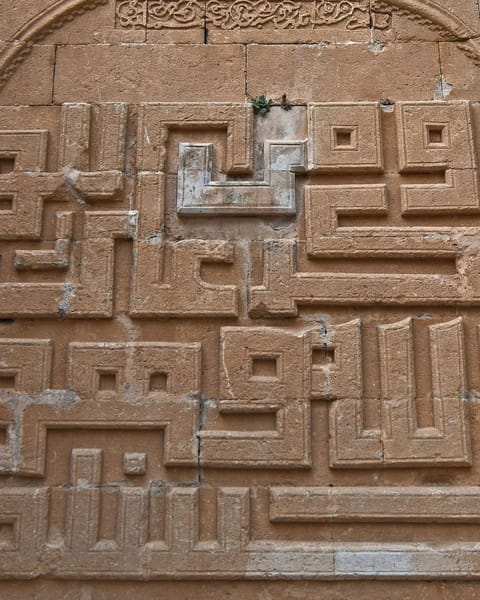
Lying is haram in Islam, and truthfulness (ṣidq, صدق) stands near the top of the virtues a believer can carry. The first Caliph, Abu Bakr, was known by the title al-Ṣiddīq, “the one who affirms the truth.” At the same time, the Prophet ﷺ was a teacher of mercy, and he named a small number of situations in which a kind or protective untruth is allowed. The tradition also gives a gentler tool for daily life: speaking the truth with tact, or choosing indirect words that wound no one and deceive no one.
What does the Quran say about lying?
The Quran asks believers to keep company with truth:
يَـٰٓأَيُّهَا ٱلَّذِينَ ءَامَنُواْ ٱتَّقُواْ ٱللَّهَ وَكُونُواْ مَعَ ٱلصَّـٰدِقِينَ
“Believers, be mindful of Allah and stand with the truthful.”
It also commands believers to “speak words that are straight and true” (Quran 33:70). The Prophet ﷺ described where each path leads:
«إِنَّ الصِّدْقَ يَهْدِي إِلَى الْبِرِّ، وَإِنَّ الْبِرَّ يَهْدِي إِلَى الْجَنَّةِ، وَإِنَّ الرَّجُلَ لَيَصْدُقُ حَتَّى يَكُونَ صِدِّيقًا»
“Truthfulness leads to goodness, and goodness leads to Paradise. A person keeps telling the truth until he becomes truthful through and through.”
The same hadith warns that lying leads to wickedness and the Fire. He counted lying in speech among the three signs of hypocrisy, together with breaking promises and betraying trusts (Sahih al-Bukhari 33). Cheating in trade, exams, or applications is a form of the same deception: “Whoever deceives is not of me” (Sahih Muslim 102).
Are white lies haram? The three permitted cases
The Prophet ﷺ himself opened a door of mercy. Umm Kulthūm bint ʿUqba heard him say:
«لَيْسَ الْكَذَّابُ الَّذِي يُصْلِحُ بَيْنَ النَّاسِ وَيَقُولُ خَيْرًا وَيَنْمِي خَيْرًا»
“The one who makes peace between people, saying good and carrying good words from one to the other, is no liar.”
The narrator Ibn Shihāb al-Zuhrī added that he knew of a concession for untrue words in only three cases: war, making peace between people, and what a husband says to his wife and a wife to her husband. Another report gives the three in the Prophet’s ﷺ own words (Jamiʿ al-Tirmidhi 1939, graded sahih by al-Albani).
Each case serves love and life. A friend who tells two estranged brothers that each still speaks warmly of the other is healing a wound. Between spouses, Imam al-Nawawi explained in his commentary on Sahih Muslim, the permission covers words of affection and reassurance; using untruths to deny a spouse their rights or to take what is theirs remains forbidden by consensus. In war, the Prophet ﷺ said, “War is deception” (Sahih al-Bukhari 3030), meaning stratagem against an enemy in battle.
Can you lie to protect someone?
Imam al-Ghazali (d. 1111) set out the principle in his Iḥyāʾ ʿUlūm al-Dīn, and al-Nawawi quoted it with approval in al-Adhkār. Speech, he wrote, is a means to ends. When a good aim can be reached by the truth, lying for it is forbidden. When it can be reached only by an untruth, the untruth is permitted if the aim is permitted, and required if the aim is required. The classic example is protecting a person from someone who seeks to kill them: you may, and must, refuse to reveal where they are hiding.
A hadith tells how Abraham (peace be upon him), passing through the land of a tyrant, called his wife Sarah his sister to protect her (Sahih al-Bukhari 3358). The scholars explained his words as indirect speech: she was his sister in faith.
What about everyday tact and small lies?
Most of daily life needs neither an untruth nor bluntness. The Companion ʿImrān ibn Ḥuṣayn said: “Indirect speech gives room enough to avoid lying” (al-Adab al-Mufrad 859). When a friend shows you a meal or a painting you do not love, there is almost always something true and kind to say about the care that went into it.
Small lies to children count too. A mother once called her son, promising him something, and the Prophet ﷺ asked what she meant to give. When she said dates, he told her that had she given nothing, a lie would have been written against her (Sunan Abi Dawud 4991, graded hasan by al-Albani). The Prophet ﷺ joked often, and said that even in jest he spoke only the truth (Jamiʿ al-Tirmidhi 1990).
Acting in a film or reading a story aloud deceives no one, because everyone knows it is fiction (Can Muslims be actors?). Lying belongs with the other faults of the tongue discussed in Is cursing haram? and What is backbiting?
Is taqiyya lying?
The Quran excuses one “who is forced while his heart rests secure in faith” (16:106), revealed, the exegetes report, about ʿAmmār ibn Yāsir, who spoke words of disbelief under torture. From this the jurists derived taqiyya: concealing one’s faith when life is threatened. It is best known from Shia jurisprudence, shaped by centuries of persecution, and Sunni jurists accept the same principle under duress (ikrāh). It concerns danger to life, and Shia and Sunni scholars alike forbid ordinary lying (Sunni vs Shia).
A prayer for truthful speech
If you have told lies you regret, the door is open: correct what you can, ask pardon from anyone you harmed, and turn to Allah (Does Allah forgive all sins?). The Quran gives a prayer for a life lived in truth:
رَّبِّ أَدۡخِلۡنِي مُدۡخَلَ صِدۡقٖ وَأَخۡرِجۡنِي مُخۡرَجَ صِدۡقٖ
“My Lord, bring me in with a truthful entrance and bring me out with a truthful exit.”
May Allah make truth easy on our tongues and kindness easy in our truth.
And Allah knows best. والله أعلم
Frequently asked questions
Is lying a major sin?
Habitual lying is grave, and the Prophet ﷺ warned against false testimony among the greatest sins (Sahih al-Bukhari 2654). A single untruth that a person regrets is wiped away by repentance and by setting the record straight where someone was harmed.
Is it haram to lie to your parents?
Truthfulness is part of honoring parents. Where the truth would expose a young person to violence or serious harm, the principle of protecting life applies, and you may keep private what is yours to keep, preferring silence or indirect words over a direct lie.
Is lying as a joke haram?
The Prophet ﷺ joked, and said that even in jest he spoke only the truth (Jamiʿ al-Tirmidhi 1990). He warned against lying to make people laugh (Sunan Abi Dawud 4990), so pranks that trick and embarrass people are best left aside.
Is taqiyya lying?
Taqiyya is concealing one's faith under threat to life, permitted by the Quran (16:106) and recognized by Sunni and Shia jurists alike. It applies to persecution and danger, and Shia scholars forbid ordinary lying as firmly as Sunni scholars do.
Related questions
Sources
- Sahih Muslim 2605a; Jamiʿ al-Tirmidhi 1939 (the three permitted cases)
- Sahih al-Bukhari 6094, 3358
- al-Ghazali, Iḥyāʾ ʿUlūm al-Dīn, Kitāb Āfāt al-Lisān (on when lying is permitted)
- al-Nawawi, al-Adhkār (chapter on lying, quoting al-Ghazali)
- al-Bukhari, al-Adab al-Mufrad 859 (ʿImrān ibn Ḥuṣayn on indirect speech)
Image: Dosseman, Square Kufic carving at the Great Mosque of Mardin, 2025. CC BY-SA 4.0, via Wikimedia Commons.. Image credits
