What is Hajj, and how is it performed?
Question 1209
Question
What is the Hajj pilgrimage, who is required to perform it, and what do pilgrims do during it?
Summary of answer
Hajj is the pilgrimage to the Kaʿba in Mecca, the fifth pillar of Islam, due once in a lifetime on every adult Muslim who is able to make the trip in health, means, and safety (3:97). Over five days in Dhu al-Hijja pilgrims enter iḥrām, circle the Kaʿba, walk between Safa and Marwa as Hagar did, stand at ʿArafa, and stone the pillars at Mina. Dressed alike, they stand as equals before Allah.
Answer
الحمد لله Praise be to Allah.
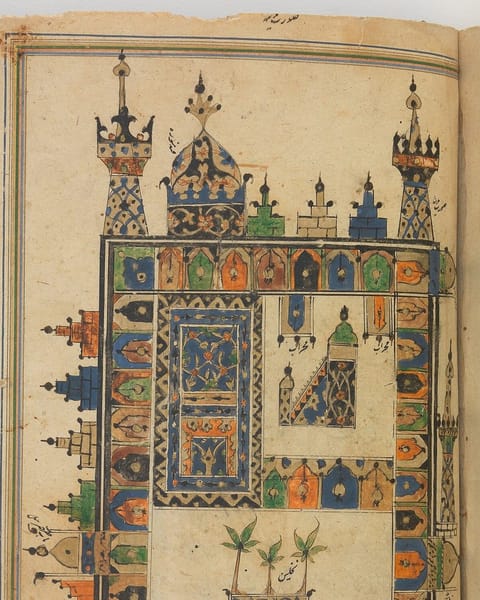
Hajj (ḥajj, حج) is the pilgrimage to the Kaʿba in Mecca, the House that Abraham and Ishmael (peace be upon them) raised for the worship of the One God. It is the fifth of the five pillars of Islam, due once in a lifetime on every adult Muslim who is able to make the trip. Each year, in the month of Dhu al-Hijja, pilgrims from every nation dress in the same plain white cloth and follow the steps of Abraham, Hagar, and the Prophet ﷺ over five days. The Quran states the duty, and its limit, in one sentence:
وَلِلَّهِ عَلَى ٱلنَّاسِ حِجُّ ٱلۡبَيۡتِ مَنِ ٱسۡتَطَاعَ إِلَيۡهِ سَبِيلٗا
“Pilgrimage to the House is a duty to Allah upon people, for whoever is able to find a way there.”
Who has to perform Hajj?
Hajj is due on an adult Muslim of sound mind who has the ability (istiṭāʿa): the health to travel, the money for the trip beyond what their family needs while they are away, and a safe road. A person without these is excused, and their longing is itself a good deed. Under current Saudi rules only Muslims may enter Mecca (Can non-Muslims go to Mecca?).
It is due once. When the Prophet ﷺ announced that Allah had made Hajj a duty, a man asked three times whether it was every year. He answered:
«لَوْ قُلْتُ نَعَمْ لَوَجَبَتْ وَلَمَا اسْتَطَعْتُمْ»
“Had I said yes, it would have become a duty, and you would not have been able to do it.”
Women share the duty and the reward. Aisha (may Allah be pleased with her) was told that the finest striving for her was “a Hajj well done” (Sahih al-Bukhari 1520). The Prophet ﷺ foretold a day when a woman would travel alone from al-Ḥīra in Iraq to circle the Kaʿba, “fearing no one but Allah” (Sahih al-Bukhari 3595), and Umar sent the Prophet’s widows on Hajj with Companions as their escort (Sahih al-Bukhari 1860). The Shafiʿi and Maliki schools allowed a woman to make the obligatory Hajj in a trustworthy group, and where the road is safe that is the sound position. See Can Muslim women travel alone?
How is Hajj performed, step by step?
Iḥrām. Before reaching the boundary stations (mawāqīt) around Mecca, the pilgrim bathes, puts on iḥrām, and makes the intention. For men it is two unstitched white sheets; women wear their ordinary modest clothes with face and hands uncovered. From then on the pilgrim avoids quarrels, perfume, cutting hair, and marital relations, and calls out the talbiya:
«لَبَّيْكَ اللَّهُمَّ لَبَّيْكَ، لَبَّيْكَ لاَ شَرِيكَ لَكَ لَبَّيْكَ، إِنَّ الْحَمْدَ وَالنِّعْمَةَ لَكَ وَالْمُلْكَ، لاَ شَرِيكَ لَكَ»
“Here I am, O Allah, here I am. Here I am, You have no partner, here I am. All praise and blessing are Yours, and all dominion. You have no partner.”
Ṭawāf and saʿy. In Mecca the pilgrim circles the Kaʿba seven times, then walks seven times between the hills of Safa and Marwa, which the Quran calls “among the signs of Allah” (Quran 2:158).
The eighth of Dhu al-Hijja. Pilgrims go out to the tent city of Mina and spend the day in prayer.
The ninth: ʿArafa. From noon to sunset pilgrims stand on the plain of ʿArafa in duʿāʾ. This is the heart of the pilgrimage: “Hajj is ʿArafa,” the Prophet ﷺ said (Jamiʿ al-Tirmidhi 889, graded sahih by al-Albani). After sunset they move to Muzdalifa and sleep under the open sky.
The tenth: the day of sacrifice. Pilgrims throw seven small stones at the largest pillar in Mina, offer an animal, shave or trim their hair, and return to Mecca to circle the Kaʿba again. Muslims everywhere celebrate this day as Eid al-Adha.
The days of tashrīq. For two or three more days pilgrims stay in Mina and stone the three pillars, then make a farewell circling of the Kaʿba before they leave.
Why do pilgrims run between Safa and Marwa?
They are walking in the footsteps of a mother. Abraham left Hagar and their infant Ishmael in the dry valley of Mecca at Allah’s command. When she asked him whether Allah had ordered this and he said yes, she answered:
«إِذًا لاَ يُضَيِّعُنَا»
“Then He will not abandon us.”
When the water ran out, she ran seven times between the two hills searching for help, until the angel struck the ground and the spring of Zamzam burst out. The Prophet ﷺ said, “That is why people walk between them.” Every pilgrim, man or woman, prince or laborer, repeats the steps of a woman alone in the desert who trusted Allah, and drinks from the water He gave her.
What does Hajj teach about equality?
In iḥrām no one can tell the rich from the poor. Kings and farmers wear the same white cloth, sleep in the same tents, and stand on the same plain. The Quran says the noblest of people in Allah’s sight is the one most mindful of Him (49:13), and Hajj makes that verse visible.
When Malcolm X made the pilgrimage in April 1964, he wrote home that he had seen pilgrims of every color living as one family. The experience changed his view of race, and he came home as El-Hajj Malik El-Shabazz. His story is told in What does Islam say about racism?
A closing word
Allah told Abraham to call the world to His House, and the call is still answered:
وَأَذِّن فِي ٱلنَّاسِ بِٱلۡحَجِّ يَأۡتُوكَ رِجَالٗا وَعَلَىٰ كُلِّ ضَامِرٖ يَأۡتِينَ مِن كُلِّ فَجٍّ عَمِيقٖ
“Proclaim the pilgrimage among the people. They will come to you on foot and on every lean camel, from every distant pass.”
The Prophet ﷺ promised that whoever makes Hajj for Allah, without obscenity or wrongdoing, returns “like the day his mother bore him” (Sahih al-Bukhari 1521). May Allah write the pilgrimage for everyone who longs for it, and accept the longing of those who cannot go.
And Allah knows best. والله أعلم
Frequently asked questions
What is the difference between Hajj and Umrah?
Umrah, the lesser pilgrimage, can be made at any time of year and consists of iḥrām, circling the Kaʿba, and walking between Safa and Marwa. Hajj takes place only in the days of Dhu al-Hijja and adds the standing at ʿArafa, the nights at Muzdalifa and Mina, and the stoning of the pillars.
Can I perform Hajj on behalf of someone else?
Yes. A woman asked the Prophet ﷺ whether she could make Hajj for her elderly father, who could not stay on a mount, and he said yes (Sahih al-Bukhari 1513). Most scholars require that you have made your own Hajj first.
Can a woman go to Hajj without a mahram?
The Shafiʿi and Maliki schools allowed a woman to make the obligatory Hajj in a trustworthy group, and Umar sent the Prophet's widows on Hajj escorted by Uthman and Abd al-Rahman ibn Awf (Sahih al-Bukhari 1860). Where the road is safe, a woman may go with a trustworthy group.
What if I can never afford Hajj?
Then it is not due on you. The Quran makes Hajj a duty only for those able to find a way there (3:97), and Allah rewards the intention of the one who longs to go.
Related questions
Sources
- Sahih al-Bukhari 1521, 1549, 3364 (Hajj, the talbiya, and Hagar)
- Sahih Muslim 1337 (Hajj once in a lifetime)
- Jamiʿ al-Tirmidhi 889 (Hajj is ʿArafa)
- Sahih al-Bukhari 1860, 3595 (women's pilgrimage)
- Malcolm X, Letter from Mecca (1964), in The Autobiography of Malcolm X (1965)
Image: Unknown painter, The Great Mosque of Mecca, from the Futuh al-Haramayn of Muhyi al-Din Lari, 16th century. Metropolitan Museum of Art, New York. CC0, via Wikimedia Commons.. Image credits
_MET_DP231710.jpg)