What does Islam say about racism?
Question 1049
Question
What does Islam teach about racism, skin color, and the equality of races and ethnic groups?
Summary of answer
Racism is haram. The Quran calls the variety of human colors and languages one of Allah's signs (30:22) and says that the noblest person in His sight is the most mindful of Him (49:13). In his Farewell Sermon the Prophet ﷺ declared that no Arab is above a non-Arab and no white person above a Black person, except in taqwa. He rebuked even a close companion for a taunt about someone's mother.
Answer
الحمد لله Praise be to Allah.
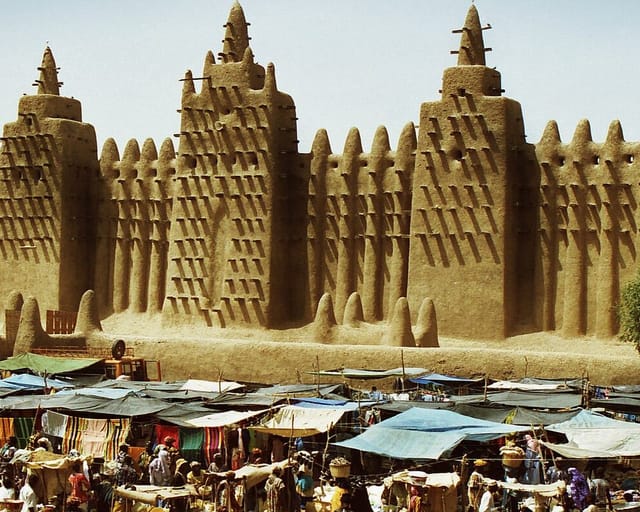
Racism is haram in Islam. Allah created humanity in all its colors and languages as a sign of His power and beauty, and He judges each person by their heart and deeds. The Quran says that the noblest person in Allah’s sight is the one most mindful of Him (Quran 49:13), and the Prophet ﷺ declared in his last sermon that no race is better than another except in taqwā.
Contempt for a person because of their skin, ancestry, or ethnicity is a sin. Muslims are called to see in the variety of human faces what the Quran sees: a sign of Allah.
What does the Quran say about race?
The central verse on this question is addressed to all of humanity:
يَـٰٓأَيُّهَا ٱلنَّاسُ إِنَّا خَلَقۡنَٰكُم مِّن ذَكَرٖ وَأُنثَىٰ وَجَعَلۡنَٰكُمۡ شُعُوبٗا وَقَبَآئِلَ لِتَعَارَفُوٓاْۚ إِنَّ أَكۡرَمَكُمۡ عِندَ ٱللَّهِ أَتۡقَىٰكُمۡ
“People, We created you from a male and a female, and made you peoples and tribes so that you may come to know one another. The noblest of you in Allah’s sight is the one most mindful of Him.”
The verse gives a purpose to human difference: that we may come to know one another (taʿāruf). Peoples and tribes exist so that they can meet, learn from each other, and grow in friendship. Rank comes only from taqwā, which only Allah can see.
The Quran also counts diversity among the wonders of creation, next to the heavens and the earth:
وَمِنۡ ءَايَٰتِهِۦ خَلۡقُ ٱلسَّمَٰوَٰتِ وَٱلۡأَرۡضِ وَٱخۡتِلَٰفُ أَلۡسِنَتِكُمۡ وَأَلۡوَٰنِكُمۡ
“Among His signs are the creation of the heavens and the earth and the variety of your languages and your colors.”
A Muslim who looks down on another person’s color is treating one of Allah’s signs with contempt. Two verses earlier in Sūrat al-Ḥujurāt, the Quran forbids one people from ridiculing another, “for they may be better than them,” and commands, “do not insult one another with names” (49:11).
What did the Prophet ﷺ say about racism?
During his Farewell Pilgrimage in 632, the Prophet ﷺ addressed the believers: “People, your Lord is one and your father is one. An Arab has no superiority over a non-Arab, nor a non-Arab over an Arab, nor a red-skinned person over a Black person, nor a Black person over a red-skinned person, except in taqwā” (Musnad Aḥmad 23489, graded sahih by al-Albani). In the Arabic of the time, “red” was the word for light-skinned people.
He also taught where Allah’s gaze falls:
«إِنَّ اللَّهَ لاَ يَنْظُرُ إِلَى صُوَرِكُمْ وَأَمْوَالِكُمْ وَلَكِنْ يَنْظُرُ إِلَى قُلُوبِكُمْ وَأَعْمَالِكُمْ»
“Allah does not look at your appearance or your wealth. He looks at your hearts and your deeds.”
How did the Prophet ﷺ correct racism among his companions?
Abu Dharr al-Ghifārī (may Allah be pleased with him) was one of the earliest and most devoted Muslims. Once, in a quarrel, he taunted a man about his mother. The Prophet ﷺ rebuked him directly:
«يَا أَبَا ذَرٍّ أَعَيَّرْتَهُ بِأُمِّهِ إِنَّكَ امْرُؤٌ فِيكَ جَاهِلِيَّةٌ»
“Abu Dharr, did you taunt him about his mother? You are a man who still has some of the age of ignorance in him.”
The Prophet ﷺ named contempt for a person’s lineage as jāhiliyya, the ignorance that Islam came to end. Abu Dharr took the lesson to heart: years later a visitor found him wearing the same cloak as the man who served him.
Who was Bilal, and why does he matter?
Bilal ibn Rabāḥ was an Abyssinian man enslaved in Mecca. He became one of the first Muslims and was tortured for his faith under the desert sun, repeating “One, One” (aḥad, aḥad). Abu Bakr bought his freedom, and the Prophet ﷺ chose him as the first muezzin of Islam, the voice that called the believers to prayer. The biographers report that on the day Mecca opened, Bilal climbed onto the Kaaba to give the call to prayer.
The caliph Umar used to say, “Abu Bakr is our master, and he freed our master,” meaning Bilal (Sahih al-Bukhari 3754). The Prophet ﷺ also encouraged Fatima bint Qays, a noblewoman of Quraysh, to marry Usama ibn Zayd, whose mother, Umm Ayman, was an Abyssinian woman (Sahih Muslim 1480a). Marriage across peoples and colors is fully halal.
What did Malcolm X find in Mecca?
In April 1964 Malcolm X made the pilgrimage to Mecca. He wrote home to his assistants in Harlem that there were tens of thousands of pilgrims from all over the world, “of all colors, from blue-eyed blondes to black-skinned Africans,” and that he had “never before seen sincere and true brotherhood practiced by all colors together.” The hajj changed his understanding of race, and he returned to America as El-Hajj Malik El-Shabazz. His story still draws many people to Islam, and the article How do you become Muslim? explains the first step.
Does racism exist in Muslim communities?
Sadly, yes. Anti-Black racism, caste prejudice in parts of South Asia, contempt for migrant workers, and the use of the word ʿabd (slave) as an insult all exist among Muslims. The ninth-century writer al-Jāḥiẓ, himself of African descent, wrote a whole treatise, The Boast of the Blacks over the Whites, to answer the prejudices of his own day.
These attitudes are sins, and the cure is the Quran’s own teaching. The oneness of Allah (tawḥīd) means that every person stands equal before Him, as explained in What is tawhid?. The long history of slavery in Muslim lands, discussed in Did the Prophet Muhammad have slaves?, is one reason this work is still needed. Mosques should welcome every believer as an equal, choose imams and leaders for their knowledge and character, and support marriages across ethnic lines.
A closing word
Every hajj recreates the lesson Malcolm X saw: millions of people of every color, dressed in the same white cloth, standing on the plain of ʿArafa before the same Lord. May Allah cleanse our hearts of every contempt, make us people who come to know one another, and gather us all among those He loves for their taqwā.
And Allah knows best. والله أعلم
Frequently asked questions
Is it haram to be racist?
Yes. Contempt for people because of their race, color, or ethnicity is a sin, and the Prophet ﷺ called it a trait of the age of ignorance (jāhiliyya). The Quran forbids ridiculing other peoples and insulting one another with names (49:11).
Is it haram to marry someone of a different race?
No. Marriage across races and peoples is fully halal. The Prophet ﷺ himself encouraged Fatima bint Qays, a noblewoman of Quraysh, to marry Usama ibn Zayd, whose mother, Umm Ayman, was Abyssinian.
Who was Bilal?
Bilal ibn Rabah was an enslaved Abyssinian who became one of the first Muslims, endured torture for his faith, was freed by Abu Bakr, and was chosen by the Prophet ﷺ as the first muezzin of Islam.
Is there racism in Muslim communities?
Sadly, yes, as in every community. Anti-Black racism, caste prejudice, and contempt for other ethnic groups exist among Muslims, and they are sins that every Muslim is obliged to resist in themselves and in their mosques.
Related questions
Sources
- Musnad Aḥmad 23489 (the Farewell Sermon)
- Sahih al-Bukhari 30, 3754; Sahih Muslim 2564c, 1480a
- al-Jāḥiẓ, Fakhr al-Sūdān ʿalā al-Bīḍān (The Boast of the Blacks over the Whites)
- Malcolm X, Letter from Mecca (1964), in The Autobiography of Malcolm X (1965)
Image: Ondřej Havelka, The Great Mosque of Djenné, Mali, 2021. CC BY-SA 4.0, via Wikimedia Commons.. Image credits
