Is crypto haram?
Question 1097
Question
Is it permissible for Muslims to buy, hold, or trade Bitcoin and other cryptocurrencies?
Summary of answer
Cryptocurrency is halal in principle: Islamic law treats transactions as permissible unless a text forbids them, and a digital asset that people accept and trade by mutual consent is lawful property. What makes crypto dealing haram is fraud, excessive uncertainty (gharar), and gambling-like speculation. Scholars differ: Egypt's Grand Mufti ruled against Bitcoin trading in 2018, Indonesia's Ulema Council allowed crypto as a commodity under conditions, and others permit it. Diligence and moderation are required.
Answer
الحمد لله Praise be to Allah.
Is crypto haram? Young Muslims around the world have bought Bitcoin, Ethereum, and countless smaller coins, often after hearing friends describe fortunes made overnight. Others have lost savings in crashes and scams. The tradition does not hand down a blanket ban on a new technology. Cryptocurrency is halal in principle, as a lawful digital asset that people own and exchange by mutual consent. What makes a crypto dealing haram is what makes any dealing haram: fraud, excessive uncertainty (gharar), and gambling. Scholars have differed on crypto, and a careful Muslim treats it with diligence and moderation.
What are the Islamic principles for judging something new like crypto?
The jurists of every school share a starting point: in worldly dealings (muʿāmalāt), the default is permission (al-aṣl fī al-muʿāmalāt al-ibāḥa) until a clear text or principle forbids something. The Quran sets the frame:
يَـٰٓأَيُّهَا ٱلَّذِينَ ءَامَنُواْ لَا تَأۡكُلُوٓاْ أَمۡوَٰلَكُم بَيۡنَكُم بِٱلۡبَٰطِلِ إِلَّآ أَن تَكُونَ تِجَٰرَةً عَن تَرَاضٖ مِّنكُمۡ
“Believers, do not consume one another’s wealth wrongfully, but trade by mutual consent.”
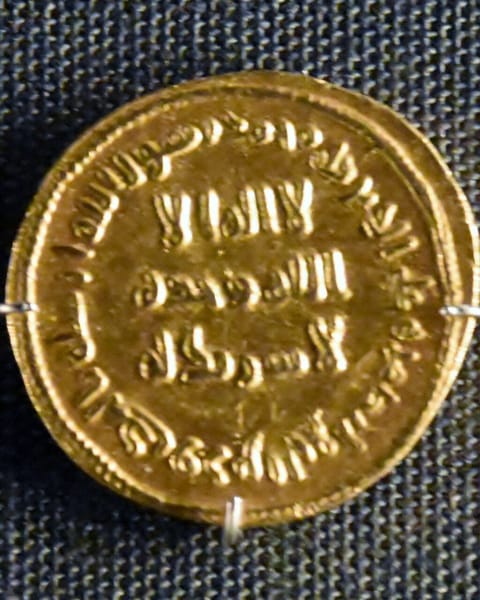
Money in Islamic history took many forms: gold dinars, silver dirhams, copper coins (fulūs), and then paper notes, which jurists accepted once people used them as a medium of exchange. Whether people treat a coin as money or as a commodity, a thing of value that people want and trade freely can be lawful property.
Why have some scholars said crypto is haram?
The concerns are serious and deserve a fair hearing. The Prophet ﷺ forbade sales built on uncertainty:
«نَهَى رَسُولُ اللَّهِ صلى الله عليه وسلم عَنْ بَيْعِ الْحَصَاةِ وَعَنْ بَيْعِ الْغَرَرِ»
“The Messenger of Allah ﷺ forbade the pebble sale and the sale involving uncertainty (gharar).”
Gharar means a deal whose object, price, or outcome is so unknown that one side is likely to be cheated. In January 2018 Egypt’s Grand Mufti, Shawki Allam, ruled that trading Bitcoin is not permissible. He cited its extreme risk, its lack of any central oversight, its use in money laundering, the harm it could do to the national economy, and its likeness to gambling, which the Quran forbids (5:90). Turkey’s Directorate of Religious Affairs (Diyanet) also ruled against it.
In November 2021 the Indonesian Ulema Council (MUI) ruled that cryptocurrency is forbidden as a currency, because of uncertainty, wagering, and harm, while allowing it to be traded as a commodity or digital asset when it complies with sharia and has a clear benefit.
Why do other scholars permit crypto?
Many scholars and Islamic finance specialists reached a permissive view. In 2018 Mufti Muhammad Abu Bakar, in a study published by Blossom Finance, concluded that Bitcoin can be permissible: where it is legal tender it counts as money, and where merchants accept it, it counts as customary money. He warned that many token offerings involve gharar and are impermissible. Several South African scholars, among them Shaykh Taha Karaan, have also treated cryptocurrency as permissible (mubāḥ).
The stronger view (al-rājiḥ) is that established cryptocurrencies with real use, wide acceptance, and transparent rules are lawful to buy and hold. Each coin and each platform must be judged on its own facts.
Which crypto activities are halal and which are haram?
Permissible, with care:
- Buying and holding an established coin you own outright, with money you can afford to lose.
- Using crypto to pay for lawful goods and services where it is accepted.
- Mining or securing a network, which is paid work, though the energy use deserves thought (What does Islam say about the environment?).
Haram or very doubtful:
- Scams, pump-and-dump schemes, and fake projects. Taking money through deception is theft.
- Leveraged futures and high-margin trading, which amount to betting on price swings with borrowed money (Is day trading haram?).
- Coins with no purpose but hype, bought in the hope that a later buyer will pay more. This approaches gambling (Is gambling haram?).
- Lending products with a guaranteed fixed return, which raise the question of interest (Is bank interest haram?).
How can a Muslim invest in crypto responsibly?
Truthfulness and clarity bring blessing to any trade. The Prophet ﷺ said:
«فَإِنْ صَدَقَا وَبَيَّنَا بُورِكَ لَهُمَا فِي بَيْعِهِمَا، وَإِنْ كَتَمَا وَكَذَبَا مُحِقَتْ بَرَكَةُ بَيْعِهِمَا»
“If the two of them tell the truth and make everything clear, their sale will be blessed. If they hide things and lie, the blessing of their sale will be wiped out.”
- Understand what you buy. If you cannot explain a project’s purpose, you are not ready to own it.
- Keep it a small share of your wealth. Pay debts, support your family, and save before you speculate. Diversified, lawful investments are discussed in Is investing in stocks haram?
- Pay zakat. Count the market value of your holdings with your other wealth each lunar year (How does zakat work?).
- Never promote a coin to others with promises you cannot keep. Short measure in the marketplace is condemned in the Quran:
وَيۡلٞ لِّلۡمُطَفِّفِينَ ٱلَّذِينَ إِذَا ٱكۡتَالُواْ عَلَى ٱلنَّاسِ يَسۡتَوۡفُونَ وَإِذَا كَالُوهُمۡ أَو وَّزَنُوهُمۡ يُخۡسِرُونَ
“Woe to those who give short measure: who demand full measure when they take from people, but give less when they measure or weigh for them.”
Wealth is a trust, and its value lies in the good it does. The Prophet ﷺ taught ʿAlī a prayer for anyone burdened by money worries: «اللَّهُمَّ اكْفِنِي بِحَلاَلِكَ عَنْ حَرَامِكَ وَأَغْنِنِي بِفَضْلِكَ عَمَّنْ سِوَاكَ», “O Allah, suffice me with what You have made lawful over what You have forbidden, and by Your grace make me free of need for anyone but You” (Jami’ al-Tirmidhi 3563, graded hasan). May Allah bless your earnings and keep your heart free of the fever of easy money.
And Allah knows best. والله أعلم
Frequently asked questions
Is Bitcoin halal?
Buying and holding Bitcoin as a digital asset is permissible on the view of many scholars, since it is property people accept and exchange by consent. Egypt's Grand Mufti ruled against it in 2018, so some Muslims avoid it; either way, invest only what you can afford to lose.
Is crypto futures or margin trading haram?
Leveraged futures, high-margin trading, and rapid betting on price swings come close to gambling (maysir) and carry heavy uncertainty, and most scholars forbid them. Buying an asset you actually own is a different matter.
Is staking crypto haram?
It depends on the arrangement. Staking that rewards you for helping secure a network resembles payment for a service, which is lawful in principle. Lending your coins to a platform for a guaranteed return raises the question of interest.
Do I pay zakat on crypto?
Yes. Scholars who treat crypto as property or trade goods count its market value in your zakatable wealth once your total holdings pass the threshold for a lunar year.
What is the Shia view on crypto?
Ayatollah Sistani's representative office in North America reports that he has not yet answered the question for lack of sufficient information. Shia Muslims should follow the guidance of their marjaʿ.
Related questions
Sources
- Sahih Muslim 1513 (the prohibition of gharar sales)
- Sahih al-Bukhari 2079 (truthfulness in trade brings blessing)
- Egypt's Grand Mufti on Bitcoin trading (Ahram Online, January 2018)
- Indonesian Ulema Council ruling on cryptocurrency (Arab News, November 2021)
- Muhammad Abu Bakar, Shariah Analysis of Bitcoin, Cryptocurrency, and Blockchain (Blossom Finance, 2018)
Image: Richard Mortel, Gold dinar of ʿAbd al-Malik ibn Marwan, dated AH 78 (697–698), 2017. David Collection, Copenhagen. CC BY 2.0, via Wikimedia Commons.. Image credits
,_The_David_Collection,_Copenhagen_(36240895662).jpg)