Is day trading or options trading haram?
Question 1180
Question
Is it permissible for a Muslim to day trade stocks, trade options, or use margin and leverage in the markets?
Summary of answer
Day trading real shares in lawful companies is halal, because buying and selling is trade, which Allah made lawful. The International Islamic Fiqh Academy forbade buying shares with interest-bearing margin loans and short selling borrowed shares (1992), and it ruled options as traded impermissible. Trading that turns into a bet on price swings with borrowed money comes close to gambling (maysir) and excessive uncertainty (gharar), and protects neither wealth nor family.
Answer
الحمد لله Praise be to Allah.
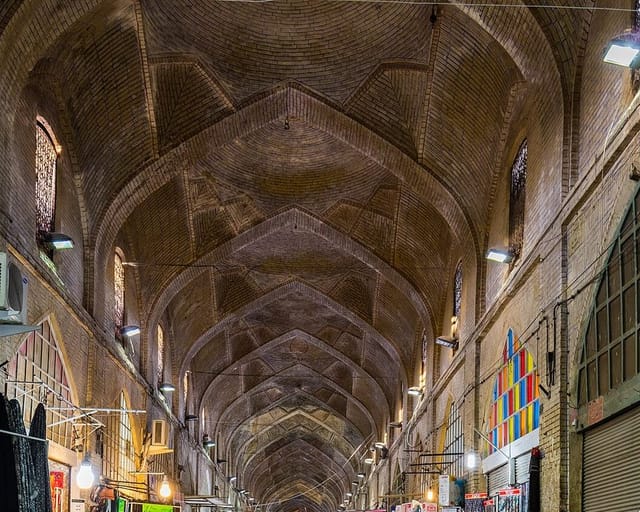
Trading apps have put the stock market in every pocket, and many young Muslims now buy and sell shares on their phones between classes or shifts. Day trading real shares in lawful companies is halal: buying and selling is trade, and Allah made trade lawful. The tradition’s warnings fall on the things that often travel with day trading: borrowing to trade, selling what you do not own, contracts that are bets on price swings, and a habit that comes to look more like the casino than the market.
Is day trading haram?
The Quran sets the condition for every lawful exchange:
لَا تَأۡكُلُوٓاْ أَمۡوَٰلَكُم بَيۡنَكُم بِٱلۡبَٰطِلِ إِلَّآ أَن تَكُونَ تِجَٰرَةً عَن تَرَاضٖ مِّنكُمۡ
“Do not consume one another’s wealth unjustly; let there be trade by mutual consent among you.”
A share is part-ownership of a real business (Is investing in stocks haram?). Islamic law sets no minimum time for holding what you buy. The concern of the jurists was possession: the Prophet ﷺ told Ḥakīm ibn Ḥizām, “Do not sell what you do not have” (Sunan Abi Dawud 3503, graded sahih by al-Albani). The International Islamic Fiqh Academy ruled in 1990 (Resolution 53) that possession may be constructive (qabḍ ḥukmī): a thing is possessed when it is placed at your disposal so that you can deal with it as you will, according to the custom of each market. Shares credited to your account and free for you to sell meet that standard. Buying and selling them within the same day is lawful trade, provided the companies pass the usual Shariah screens and you trade with your own money.
When does trading become gambling?
The Prophet ﷺ forbade sales built on excessive uncertainty:
«نَهَى رَسُولُ اللَّهِ صلى الله عليه وسلم عَنْ بَيْعِ الْحَصَاةِ وَعَنْ بَيْعِ الْغَرَرِ»
“The Messenger of Allah ﷺ forbade the pebble sale and the sale of uncertainty (gharar).”
In the pebble sale a buyer threw a stone and bought whatever it landed on. Its modern cousin is the trade placed on a tip, a chart pattern half understood, or the hope of a quick win, with no knowledge of the business behind the ticker. The Quran forbids gambling (maysir) outright (Quran 5:90), and day trading slides toward it when the trader is chasing the thrill of the win, doubling down to recover losses, or risking money meant for rent and food. Studies of retail day traders in several countries have found that most lose money over time. A believer who notices these signs in himself should step back, as he would from any other wager (Is gambling or the lottery haram?).
Is options trading haram?
The scholars differed (ikhtalafa al-ʿulamāʾ). In 1992 the Fiqh Academy ruled in Resolution 63 that options as traded in global markets are a new contract matching none of the contracts of Islamic law, and that since what is sold is neither property, nor a usufruct, nor a financial right, trading them is impermissible. Most fatwa councils follow this ruling, and many Muslims avoid options altogether on its basis.
The tradition also holds a contract that resembles a call option. In the down-payment sale (bayʿ al-ʿurbūn) a buyer pays a deposit for the right to complete a purchase within a set time, and forfeits it if he walks away. Imam Ahmad ibn Hanbal permitted it, and the report forbidding it is weak (Sunan Abi Dawud 3502, graded daʿīf by al-Albani), and the Fiqh Academy approved it in 1993 (Resolution 72) when its time frame is fixed. In 2018 the Academy also affirmed that hedging, protecting one’s property against risk, agrees with the objectives of the sharia, and that the basic aim of any hedging tool must be to safeguard property and never to speculate on price movements (Resolution 224).
The stronger view (al-rājiḥ) follows these principles. Writing options for premiums and buying short-dated options as bets on price swings carry the gharar and the gambler’s hope that the sharia forbids, and should be avoided. An option used to protect shares you own, or bought as a step toward a real purchase, is closer to the down-payment sale and to lawful hedging; this is a matter of ijtihād, and those who prefer the Academy’s caution are on firm ground.
Is margin trading, short selling, or leverage haram?
The Fiqh Academy’s 1992 resolution forbade buying shares with an interest-bearing loan from a broker secured by the shares, and selling shares one does not own on the strength of a broker’s promise to lend them. Margin accounts and most short selling fall under these rulings, and both multiply losses as well as gains. The Quran’s counsel on spending fits leverage well:
وَلَا تَبۡسُطۡهَا كُلَّ ٱلۡبَسۡطِ فَتَقۡعُدَ مَلُومٗا مَّحۡسُورًا
“Do not stretch your hand out to its full extent, or you will end up blamed and stripped bare.”
Leveraged products on crypto and currencies carry the same dangers (Is crypto haram?), and the debate on interest itself is set out in Is bank interest haram?
How can a Muslim trade with a clear conscience?
- Trade with your own money in a cash account, never with money your family needs.
- Screen every company and purify the small share of income that comes from impermissible sources.
- Learn the business, set limits on what you can afford to lose, and keep a record of every trade.
- Pay zakat on the market value of shares held for trading (How does zakat work?).
- Guard your prayer and your sleep. No price movement is worth a missed ṣalāh.
- Stop when trading stops being trade, and seek help if it has become a compulsion.
Richness of the soul
The markets reward patience and punish greed, and the Prophet ﷺ named where true wealth is found:
«لَيْسَ الْغِنَى عَنْ كَثْرَةِ الْعَرَضِ، وَلَكِنَّ الْغِنَى غِنَى النَّفْسِ»
“Richness does not lie in having many goods. True richness is richness of the soul.”
May Allah bless your trade with truthfulness, keep your heart content with what is lawful, and make your wealth a means of good for your family and for the poor.
And Allah knows best. والله أعلم
Frequently asked questions
Is forex trading haram?
Exchanging currencies is lawful when it is done on the spot, as the Prophet ﷺ required when different currencies are exchanged hand to hand (Sahih Muslim 1587c). Leveraged forex accounts that charge overnight interest, or that let traders bet with borrowed sums many times their deposit, fall under the cautions on margin and gambling.
Is swing trading or scalping haram?
The length of time a share is held does not change the ruling. Buying and selling real shares of lawful companies is trade whether you hold them for minutes or for years, provided you trade with your own money.
Do day traders pay zakat?
Yes. Shares held for trading are trade goods, so a trader pays 2.5% of their market value, along with cash, once a lunar year has passed on wealth above the nisab.
What do Hanafi and Shia scholars say about day trading?
Hanafi scholars such as Muhammad Taqi Usmani permit buying and selling shares of lawful companies and forbid margin loans with interest and short selling. Jaʿfari jurists likewise permit trading in companies whose business is lawful.
Related questions
Sources
- International Islamic Fiqh Academy, Resolution 63 (1/7) on Financial Markets (Jeddah, 1992)
- International Islamic Fiqh Academy, Resolutions 53 (4/6) on Possession, 72 (3/8) on the Down-Payment Sale, and 224 (8/23) on Hedging, in Resolutions and Recommendations (3rd English ed., 2024)
- Sahih Muslim 1513, 1587c
- Sunan Abi Dawud 3502, 3503
- Sahih al-Bukhari 6446
Image: Diego Delso, The Vakil Bazaar, Shiraz, 2016. CC BY-SA 4.0, via Wikimedia Commons.. Image credits
