Is it haram to believe in zodiac signs or astrology?
Question 1224
Question
Is it haram for a Muslim to believe in zodiac signs, read horoscopes, or follow astrology, and what about astronomy?
Summary of answer
Believing that the stars or zodiac signs control a person's fate, character, or future is haram, because only Allah knows the unseen (27:65) and the Prophet ﷺ counted crediting rain to the stars as a denial of Allah's grace (Sahih al-Bukhari 846). Consulting astrologers is forbidden. Studying the stars as astronomy is praised by the Quran and flourished in Islamic civilization. Reading horoscopes for fun is disputed and best left alone.
﴿قُل لَّا يَعۡلَمُ مَن فِي ٱلسَّمَٰوَٰتِ وَٱلۡأَرۡضِ ٱلۡغَيۡبَ إِلَّا ٱللَّهُ﴾
Say: No one in the heavens or on earth knows the unseen except Allah.
Answer
الحمد لله Praise be to Allah.
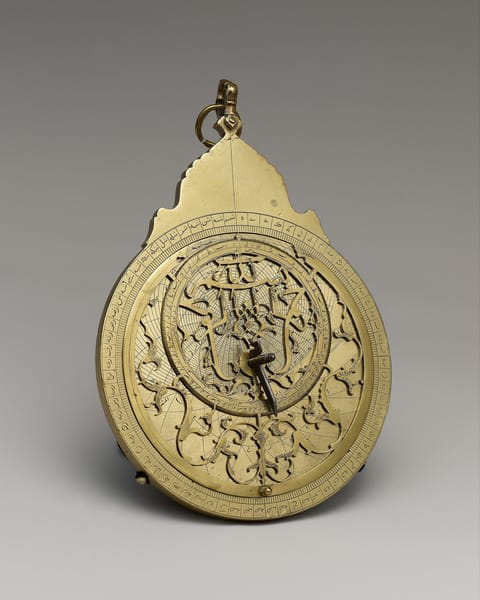
Zodiac signs are everywhere: in apps, in magazines, in casual talk about who is “such a Scorpio.” Many young Muslims wonder whether any of this is haram. The answer of the Quran and the Sunnah is clear and calm. Believing that the stars or zodiac signs decide your fate, your character, or your future is haram, because it gives to created things a knowledge and a power that belong to Allah alone. Studying the stars as astronomy is praised, and Muslims excelled at it for centuries. Reading horoscopes “for fun” is disputed among the scholars, and the wiser course is to let them go.
What does the Quran say about the stars?
The Quran loves the night sky. It calls the stars an adornment and a guide:
وَلَقَدۡ جَعَلۡنَا فِي ٱلسَّمَآءِ بُرُوجٗا وَزَيَّنَّـٰهَا لِلنَّـٰظِرِينَ
“We have placed constellations in the sky and made it beautiful for those who look.”
The word burūj, “constellations,” is the same word Arabic uses for the signs of the zodiac. In the Quran they are beauty for the eye and signs that point to their Maker. Allah made the stars “so that you may find your way by them in the darkness of land and sea” (Quran 6:97), and He set the phases of the moon “so that you may know the number of years and how to count time” (10:5). The stars give direction and time. They do not give destiny.
Why is believing in astrology haram?
Astrology claims to read a person’s fate, character, or future from the positions of the stars. The Quran answers: “No one in the heavens or on earth knows the unseen except Allah” (27:65), and “no soul knows what it will earn tomorrow” (31:34).
The Prophet ﷺ addressed the belief directly. After a night of rain at al-Ḥudaybiya, he told his Companions what Allah had said:
«أَصْبَحَ مِنْ عِبَادِي مُؤْمِنٌ بِي وَكَافِرٌ، فَأَمَّا مَنْ قَالَ مُطِرْنَا بِفَضْلِ اللَّهِ وَرَحْمَتِهِ فَذَلِكَ مُؤْمِنٌ بِي وَكَافِرٌ بِالْكَوْكَبِ، وَأَمَّا مَنْ قَالَ بِنَوْءِ كَذَا وَكَذَا فَذَلِكَ كَافِرٌ بِي وَمُؤْمِنٌ بِالْكَوْكَبِ»
“This morning some of My servants believe in Me and some deny Me. Whoever says, ‘We were given rain by the grace and mercy of Allah,’ believes in Me and denies the star. Whoever says, ‘We were given rain by such-and-such a star,’ denies Me and believes in the star.”
The pagan Arabs credited each rainfall to the rising or setting of a star. The Prophet ﷺ taught that the gifts of life come from Allah’s grace, and that crediting them to the stars is a form of association that clouds tawḥīd (What is tawhid? and What is shirk?). He also said, “Whoever acquires a branch of knowledge of the stars has acquired a branch of sorcery” (Sunan Abi Dawud 3905, graded hasan by al-Albani). The scholars explained that this refers to astrology, the claim to read fate in the stars, and not to astronomy.
Consulting fortune-tellers is forbidden for the same reason. “Whoever goes to a diviner (ʿarrāf) and asks him about anything, his prayer is not accepted for forty nights” (Sahih Muslim 2230). When the sun eclipsed on the day the Prophet’s ﷺ son Ibrahim died and people said it was because of his death, the Prophet ﷺ corrected them: “The sun and the moon do not eclipse for anyone’s death or birth” (Sahih al-Bukhari 1043). They are, he said, “two of the signs of Allah” (Bukhari 1042).
Is it haram to read horoscopes for fun?
The scholars differed (ikhtalafa al-ʿulamāʾ). Many forbid reading horoscopes even for amusement, because the hadith of the diviner speaks of anyone who “asks him about anything,” and because what is read for fun easily settles into the heart. Others distinguish the person who glances at a column with no belief in it, and makes no decision by it, from the person who seeks guidance from it; for the first, they hold it is at most disliked (makrūh).
The wiser course is to leave horoscopes alone. Their danger is gentle and slow: they teach the heart to look for answers in the sky instead of in prayer, effort, and trust. If you have read them in the past, there is nothing to fear. Turn toward Allah with your questions about the future through duʿāʾ and the prayer of seeking guidance (istikhāra).
Do zodiac signs shape your personality?
The Quran teaches that each soul is fashioned by Allah and shaped by its own choices: “By the soul and the One who formed it, and inspired it with its wrongdoing and its mindfulness: whoever purifies it succeeds” (91:7–9). Your character is a trust you grow through effort and grace. A person born in any month can become patient, generous, and brave. Rejecting a friend or a marriage partner because of a star sign wrongs them and wrongs yourself. For how Allah’s decree and human choice fit together, see Does Islam teach predestination?
Is astronomy halal in Islam?
Astronomy is praised. The Quran describes believers who “reflect on the creation of the heavens and the earth” (3:190–191), and Muslim civilization made the study of the sky a sacred science. Astronomers calculated prayer times and the direction of the qibla, built astrolabes and observatories, and corrected the inherited tables of the Greeks. Great Muslim scholars also wrote against astrology: Ibn Khaldūn (d. 1406) devoted a chapter of his Muqaddima to refuting it. Islamic scholarship drew a clear line between ʿilm al-hayʾa, the science of the heavens’ structure, and the claim to read fate in them (Does Islam encourage science?).
The night sky is still an invitation to worship. Those who look at it with understanding say:
رَبَّنَا مَا خَلَقۡتَ هَٰذَا بَٰطِلٗا سُبۡحَٰنَكَ فَقِنَا عَذَابَ ٱلنَّارِ
“Our Lord, You did not create all this in vain. Glory be to You; protect us from the punishment of the fire.”
And Allah knows best. والله أعلم
Frequently asked questions
Is it haram to know my zodiac sign?
Knowing which constellation the sun was in when you were born is a fact of astronomy. What the scholars forbid is believing that the sign shapes your personality, luck, or destiny.
Is it haram to read horoscopes for fun?
The scholars differed. Many forbid it because the Prophet ﷺ warned against consulting diviners (Sahih Muslim 2230). Others hold that a passing glance with no belief and no decisions based on it is at most disliked. The safest course is to leave it.
Is zodiac compatibility haram in marriage?
Choosing or rejecting a spouse because of star signs gives the stars a power the Quran denies them. Look for faith, character, kindness, and shared values, and pray istikhāra.
Is it haram to study astronomy?
No. The Quran invites reflection on the heavens (3:190–191), and Muslims used astronomy to set prayer times, fix the qibla, and navigate. Astronomy and astrology are different sciences in the Islamic tradition.
Related questions
Sources
- Sahih al-Bukhari 846 (the rain and the stars)
- Sahih Muslim 2230 (whoever goes to a diviner)
- Sunan Abi Dawud 3905 (knowledge of the stars as a branch of sorcery)
- Sahih al-Bukhari 1042 and 1043 (eclipses are not for anyone's death or birth)
- Ibn Khaldūn, al-Muqaddima, chapter on the refutation of astrology
Image: Muhammad Zaman al-Munajjim al-Asturlabi, Planispheric astrolabe, Mashhad, 1654–1655. Metropolitan Museum of Art, New York. CC0, via Wikimedia Commons.. Image credits
