Can Muslim women work?
Question 1065
Question
Is it permissible for a Muslim woman to have a job or career outside the home, and does she need anyone's permission?
Summary of answer
Muslim women may work in any lawful field, and what they earn belongs to them. The Quran says that women have a share of what they earn (4:32), the Prophet ﷺ told a woman to go out and harvest her palms, and the women of Medina traded, farmed, nursed the wounded, and taught. Husband and wife decide on work together, by consultation and as equals.
Answer
الحمد لله Praise be to Allah.
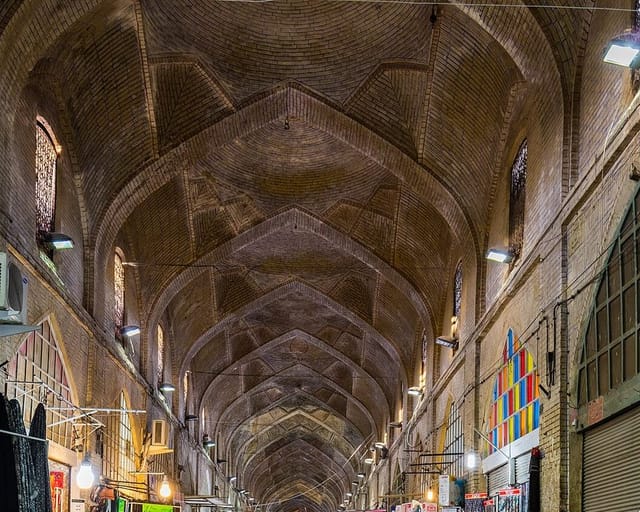
Muslim women can work. A woman may hold a job, build a career, run a business, and keep every dirham she earns. The Quran speaks of women as earners in their own right, the Prophet ﷺ sent a woman out to tend her own orchard, and the women around him traded, farmed, nursed, and taught. The question of a wife’s work is settled within the marriage by consultation (shūrā, شورى) between two equals.
What does the Quran say about women working?
The clearest verse comes in Sūrat al-Nisāʾ, where Allah tells the believers not to envy one another and then says:
لِّلرِّجَالِ نَصِيبٞ مِّمَّا ٱكۡتَسَبُواْۖ وَلِلنِّسَآءِ نَصِيبٞ مِّمَّا ٱكۡتَسَبۡنَ
“Men have a share of what they have earned, and women have a share of what they have earned.”
The verb iktasaba (اكتسب) means to earn or acquire by one’s own effort. The Quran uses it for women exactly as it uses it for men. A woman’s earnings, like a man’s, are hers.
The Quran also describes believing women and men as partners in public life:
وَٱلۡمُؤۡمِنُونَ وَٱلۡمُؤۡمِنَٰتُ بَعۡضُهُمۡ أَوۡلِيَآءُ بَعۡضٖۚ يَأۡمُرُونَ بِٱلۡمَعۡرُوفِ وَيَنۡهَوۡنَ عَنِ ٱلۡمُنكَرِ
“The believing men and the believing women are protecting friends of one another. They call to what is right and forbid what is wrong.”
Calling to what is right takes a person into the market, the clinic, the classroom, and the council. The verse gives that work to women and men together. The wider picture of women in the Quran is set out in What does the Quran say about women?
Did women work in the time of the Prophet ﷺ?
They did, and he encouraged them. The first person to believe in him, Khadija (may Allah be pleased with her), was a merchant of Mecca who hired men to carry her goods to Syria. The Prophet ﷺ himself first worked for her, and she proposed marriage to him (Who was Khadija?).
In Medina, the maternal aunt of Jabir ibn ʿAbd Allāh was divorced and wanted to go out to harvest her date palms. A man scolded her for leaving the house during her waiting period. She went to the Prophet ﷺ, and he told her:
«بَلَى فَجُدِّي نَخْلَكِ فَإِنَّكِ عَسَى أَنْ تَصَدَّقِي أَوْ تَفْعَلِي مَعْرُوفًا»
“Of course you may. Go and harvest your palms, for perhaps you will give charity from them or do some other good.”
He tied her work to the good it would let her do. Other women of Medina show the same picture:
- Zaynab, the wife of ʿAbd Allāh ibn Masʿūd, supported her husband and the orphans in her care from her own means. When she asked whether her spending on them counted as charity, the Prophet ﷺ said she would have two rewards, one for kinship and one for charity (Sahih al-Bukhari 1466).
- Asmāʾ bint Abī Bakr fed her husband’s horse, drew water, and carried date stones on her head from his land some two miles away (Sahih al-Bukhari 5224).
- Rufayda al-Aslamiyya treated the wounded. When Saʿd ibn Muʿādh was gravely injured at the Battle of the Trench, he was carried to her, and the Prophet ﷺ visited him there morning and evening (al-Adab al-Mufrad 1132). Muslim nurses still honor her as the first nurse of Islam.
- Al-Shifāʾ bint ʿAbd Allāh was a teacher. The Prophet ﷺ asked her to teach his wife Ḥafṣa a healing prayer “as you taught her writing” (Sunan Abi Dawud 3887, graded sahih by al-Albani). Ibn Hajar (d. 1449) records in al-Iṣāba that the caliph ʿUmar valued her judgment and at times entrusted her with matters of the marketplace.
Who owns a working woman’s income?
She does. Islamic law has always treated an adult woman as fully able to own property, buy and sell, make contracts, and give gifts in her own name. Her salary, her savings, and her business belong to her, and no husband, father, or brother has a claim on them.
The classical schools placed the duty of household maintenance (nafaqa, نفقة) on the husband, and that duty continues when his wife earns. Many couples today choose to pool their incomes, and that choice is beautiful when both make it freely. Zaynab’s story shows how the Prophet ﷺ saw a wife’s gifts to her family: as charity that Allah rewards twice.
Does a Muslim wife need her husband’s permission to work?
Many classical jurists gave a husband the right to restrict his wife’s going out, as part of the arrangement in which he alone provided for her. Egypt’s Dar al-Ifta still gives him a say today, though it holds that a man who marries a woman knowing she works has already consented to her work.
The stronger view is that a couple decides these matters together. The Quran praises those “whose affairs are settled by consultation among them” (Quran 42:38), and it describes spouses as garments for one another (2:187). Where income, care of children, and work are shared, so is the decision. Neither spouse may forbid the other a lawful livelihood to control them.
The tradition also gives a woman a practical tool. The Hanbali school upholds conditions that a wife writes into her marriage contract, and gives her the right to end the marriage if her husband breaks them. The Prophet ﷺ said that “the conditions most deserving to be honored are those by which you made marriage lawful” (Sahih al-Bukhari 2721). A woman who wants to keep her career can name it in her contract.
What kinds of work can Muslim women do?
Any lawful work. The same ethics govern a woman’s work and a man’s: earn by truthful means, give full measure, keep your promises, and treat colleagues and customers with courtesy. Women in Muslim history taught hadith in great mosques, endowed schools and hospitals, copied manuscripts, and ran estates; their story is told in Who were the great women scholars of Islam? Abu Hanifa allowed a woman to serve as a judge in civil cases, and modern Muslim-majority countries have elected women to lead them (Can a woman lead a Muslim country?).
Workplaces where women and men work side by side are permissible. The Prophet’s mosque in Medina was a place of prayer, study, and public business for women and men alike, and the markets of Medina were shared. Dignity and good manners are asked of everyone.
Work as worship
The Prophet ﷺ honored the work of one’s own hands:
«مَا أَكَلَ أَحَدٌ طَعَامًا قَطُّ خَيْرًا مِنْ أَنْ يَأْكُلَ مِنْ عَمَلِ يَدِهِ»
“No one has ever eaten better food than what they eat from the work of their own hands.”
A woman who heals, teaches, builds, or trades with a sincere intention is doing what the women of Medina did, and her work can be an act of worship. May Allah bless the work of every believer’s hands and make it a means of good for her family and her community.
And Allah knows best. والله أعلم
Frequently asked questions
Does a Muslim wife need her husband's permission to work?
Marriage in Islam is run by mutual consultation, so spouses decide on work together. The Hanbali school lets a woman write conditions into her marriage contract, and a woman who wants to keep her career can stipulate it there.
Does a working wife have to spend her salary on the household?
In Islamic law a woman's earnings are her own property. Whatever she chooses to give to her family is a gift, and the Prophet ﷺ said such giving earns a double reward.
Can Muslim women work in mixed workplaces?
Yes. Women and men prayed, studied, and traded in the same mosque and markets in Medina. The ethics of work are the same for both: honesty, courtesy, and lawful earnings.
What does Hanafi fiqh say about women working?
Hanafi law treats an adult woman as fully competent to own property, buy, sell, and contract. Abu Hanifa even allowed women to serve as judges in civil matters.
Related questions
Sources
- Sahih Muslim 1483 (Jabir's aunt and her date palms)
- Sahih al-Bukhari 1466 (Zaynab, wife of Ibn Masʿud)
- al-Bukhari, al-Adab al-Mufrad 1132 (Rufayda)
- Ibn Hajar al-ʿAsqalani, al-Iṣāba fī Tamyīz al-Ṣaḥāba (entry on al-Shifāʾ bint ʿAbd Allāh)
- Egypt's Dar al-Ifta, A woman's right to work
- Feminist Sexual Ethics Project, Brandeis University: Marriage and stipulations
Image: Diego Delso, The Vakil Bazaar, Shiraz, 2016. CC BY-SA 4.0, via Wikimedia Commons.. Image credits
