What does Islam say about workers' rights and fair wages?
Question 1260
Question
What rights does a worker have in Islam, what must an employer pay and provide, and may Muslims join unions or strike?
Summary of answer
Workers' rights are part of the sharia. The Quran forbids cheating people of what is theirs, the Prophet ﷺ commanded that a worker be paid before his sweat dries, and Allah declares Himself the opponent of the employer who takes full work and withholds the wage. Employers must not overburden workers and must treat them as brothers and sisters. Joining together for fair pay and safe work, as in a union, serves the Quran's command to cooperate in righteousness.
Answer
الحمد لله Praise be to Allah.
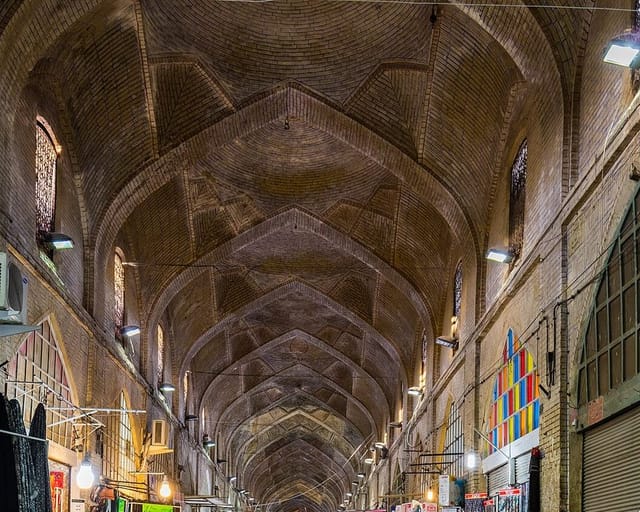
Islam honors work and protects the worker. The Prophet ﷺ himself worked for wages as a young man, and the Quran and the Sunnah speak about pay, hours, and dignity with a directness that still surprises readers. Workers’ rights in Islam rest on three duties of the employer: pay what was agreed, pay it on time, and never load a worker beyond what he or she can bear. Withholding a wage is among the gravest sins in the Sunnah.
What does the Quran say about fair pay?
The prophet Shuʿayb (peace be upon him) told the merchants of Midian:
وَلَا تَبۡخَسُواْ ٱلنَّاسَ أَشۡيَآءَهُمۡ
“Do not cheat people of what is theirs.”
A worker’s wage is his or hers by right, and paying less than was agreed, or less than the work is worth, is the cheating this verse forbids. Sūrat al-Muṭaffifīn opens with woe for those who take full measure from others and give short measure in return (Quran 83:1-3). An employer who demands every hour of a worker’s day and then shortchanges the pay does exactly that.
The Quran also sets the limit of every burden: “Allah does not burden any soul beyond its capacity” (2:286). An employer who loads workers beyond what they can bear has taken for himself a power Allah does not claim.
What did the Prophet ﷺ say about paying workers?
He commanded that wages be paid promptly: “Give the worker his wage before his sweat dries” (Sunan Ibn Majah 2443, graded sahih by al-Albani). And he reported from his Lord one of the sternest warnings in the Sunnah:
«قَالَ اللَّهُ ثَلاَثَةٌ أَنَا خَصْمُهُمْ يَوْمَ الْقِيَامَةِ، رَجُلٌ أَعْطَى بِي ثُمَّ غَدَرَ، وَرَجُلٌ بَاعَ حُرًّا فَأَكَلَ ثَمَنَهُ، وَرَجُلٌ اسْتَأْجَرَ أَجِيرًا فَاسْتَوْفَى مِنْهُ، وَلَمْ يُعْطِ أَجْرَهُ»
“Allah said: Three people I will oppose on the Day of Resurrection: a man who gave his word in My name and then betrayed it, a man who sold a free person and consumed the price, and a man who hired a worker, took the full work from him, and did not give him his wage.”
The word for “took the full work” (istawfā) comes from the same root as the verse on those who take full measure from others (83:2). Wage theft is named among the gravest wrongs.
The Prophet ﷺ knew labor from the inside. He told his Companions that every prophet had herded sheep, and that he had herded the flocks of the people of Mecca for a few coins (Sahih al-Bukhari 2262). He also said that no one eats better food than what he earns with his own hands, and that the prophet David (peace be upon him) ate from the work of his hands (Sahih al-Bukhari 2072).
How should employers treat their workers?
When Abu Dharr insulted a man by mocking his mother, the Prophet ﷺ rebuked him and said:
«إِخْوَانُكُمْ خَوَلُكُمْ، جَعَلَهُمُ اللَّهُ تَحْتَ أَيْدِيكُمْ، فَمَنْ كَانَ أَخُوهُ تَحْتَ يَدِهِ فَلْيُطْعِمْهُ مِمَّا يَأْكُلُ، وَلْيُلْبِسْهُ مِمَّا يَلْبَسُ، وَلاَ تُكَلِّفُوهُمْ مَا يَغْلِبُهُمْ»
“Those who serve you are your brothers. Allah has placed them in your care. Whoever has a brother in his care, let him feed him from what he eats and clothe him from what he wears, and do not burden them with more than they can bear.”
He spoke of servants and the enslaved of his time (Did the Prophet Muhammad have slaves, and does Islam allow slavery?). If he demanded this much for people with no legal freedom, a free employee is owed at least as much. In today’s terms the hadith asks for:
- A wage a person can live on, paid in full and on time.
- Reasonable hours and real rest, with help when the work is heavy.
- Safe conditions, since protecting life is an objective of the sharia (maqāṣid al-sharīʿa).
- Dignity: no insults, no humiliation, no contempt for a worker’s origin or family.
- Freedom: no confiscated passports and no debts that trap migrant workers in a job.
These duties belong to the sharia’s wider care for the poor, described in What does Islam say about poverty and the poor? and What is sharia?
Can Muslims join a union or go on strike?
Yes. Workers who join together to seek fair pay and safe conditions are obeying a command of the Quran:
وَتَعَاوَنُواْ عَلَى ٱلۡبِرِّ وَٱلتَّقۡوَىٰۖ وَلَا تَعَاوَنُواْ عَلَى ٱلۡإِثۡمِ وَٱلۡعُدۡوَٰنِ
“Help one another in goodness and mindfulness of Allah, and do not help one another in sin and aggression.”
The Prophet’s ﷺ own life holds a precedent. Around 590, a merchant from Zabīd in Yemen sold goods to al-ʿĀṣ ibn Wāʾil, a powerful man of Quraysh, who then refused to pay, knowing the stranger had no clan to defend him. Leading men of Mecca formed the Ḥilf al-Fuḍūl, the Pact of the Virtuous, and pledged to stand with anyone who was wronged, and the merchant’s goods were recovered. The young Muhammad ﷺ took part, and after his prophethood he still acknowledged the pact’s worth. A union that stands up for unpaid workers carries the same spirit. Peaceful strikes and negotiation are lawful means to that end.
What does Islam ask of workers?
Justice runs both ways. The Quran praises the worker who is “strong and trustworthy” (28:26). A Muslim who accepts a wage owes the work honesty and care, and a fair employer deserves loyalty. Women’s equal right to work and to fair pay is set out in Can Muslim women work?
A closing word
Every job done well, from the field to the office to the kitchen, is seen by Allah:
وَقُلِ ٱعۡمَلُواْ فَسَيَرَى ٱللَّهُ عَمَلَكُمۡ وَرَسُولُهُۥ وَٱلۡمُؤۡمِنُونَ
“Say: Work, for Allah will see your work, and so will His Messenger and the believers.”
May Allah bless the hands that labor, and make every employer just and every wage full.
And Allah knows best. والله أعلم
Frequently asked questions
Is it haram to pay workers late or not at all?
Yes. The Prophet ﷺ said to pay workers before their sweat dries (Sunan Ibn Majah 2443), and in a hadith qudsi Allah names the employer who withholds a worker's wage among the three people He will oppose on the Day of Resurrection (Sahih al-Bukhari 2227).
Can Muslims join a union or go on strike?
Yes. Workers joining together to seek fair pay and safe conditions is cooperation in righteousness (5:2). The young Muhammad ﷺ took part in the Ḥilf al-Fuḍūl, a Meccan pact to secure justice for a merchant who had been denied payment.
Is it permissible to take a worker's passport or documents?
No. Holding a person's papers to stop them from leaving a job takes away the freedom Allah gave them, and the hadith qudsi places selling a free person among the gravest wrongs (Sahih al-Bukhari 2227).
What does Islam ask of workers?
Honesty and good work. The Quran praises the employee who is "strong and trustworthy" (28:26), and a worker who agrees to a task owes it care and diligence.
Related questions
Sources
- Sunan Ibn Majah 2443 (pay the worker before his sweat dries)
- Sahih al-Bukhari 2227 (the hadith qudsi on the withheld wage)
- Sahih al-Bukhari 30, 2072, 2262
- Ibn Kathīr, al-Sīra al-Nabawiyya (on the Ḥilf al-Fuḍūl)
- Martin Lings, Muhammad: His Life Based on the Earliest Sources (1983)
Image: Diego Delso, The Vakil Bazaar, Shiraz, 2016. CC BY-SA 4.0, via Wikimedia Commons.. Image credits
