What does Islam say about refugees and immigrants?
Question 1253
Question
What does Islam teach about refugees, asylum seekers, and immigrants, and how should Muslims treat people who have fled their homes?
Summary of answer
Islam commands Muslims to welcome refugees and immigrants with generosity and dignity. The Prophet ﷺ was himself driven from his home, and the Muslim calendar counts its years from his migration. The Quran praises the people of Medina who loved those who came to them and preferred them over themselves (59:9), orders protection for anyone who seeks it (9:6), and sets aside zakat for the traveler cut off from home (9:60).
Answer
الحمد لله Praise be to Allah.
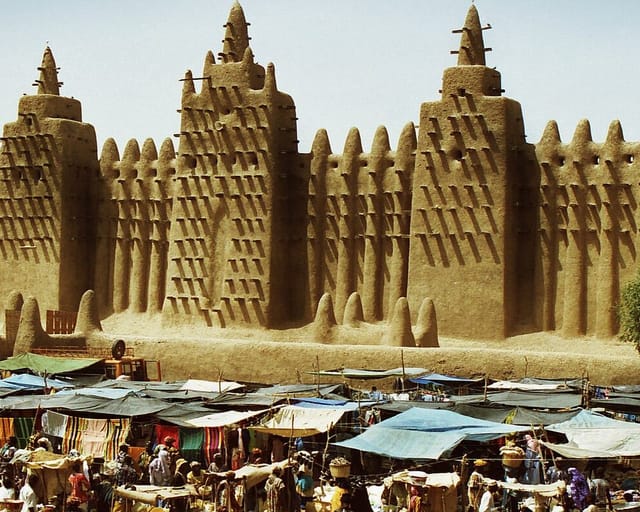
Every year millions of people flee war, persecution, and hunger, and many of them are Muslims, while many others knock on the doors of Muslim lands. Muslims in every country ask what their faith asks of them toward the stranger. The answer runs through the whole story of Islam. The Prophet ﷺ was himself driven from his home, the Muslim calendar counts its years from a migration, and the Quran praises the people who opened their homes to migrants and preferred them over themselves. Welcoming refugees and treating immigrants with justice and dignity is a duty of faith.
Was the Prophet ﷺ a refugee?
He was. For thirteen years the Prophet ﷺ preached in Mecca while his followers were mocked, boycotted, and tortured. Around 615 he sent a group of them to seek refuge with the Christian king of Abyssinia. In 622 he left Mecca himself, under threat of death, for the city that would become Medina. As he left, he spoke to his hometown:
«مَا أَطْيَبَكِ مِنْ بَلَدٍ وَأَحَبَّكِ إِلَىَّ وَلَوْلاَ أَنَّ قَوْمِي أَخْرَجُونِي مِنْكِ مَا سَكَنْتُ غَيْرَكِ»
“How good a land you are, and how dear to me! Had my people not driven me out of you, I would never have lived anywhere else.”
Jami’ al-Tirmidhi 3926, graded sahih by al-Albani
Every refugee who has looked back at a lost home has a companion in those words. The Quran also tells of Moses (peace be upon him), who fled Egypt in fear (28:21), arrived alone at the wells of Madyan, and was taken in by a family that told him: “Do not fear. You have escaped from the wrongdoing people” (28:25).
What does the Quran say about welcoming migrants?
The people of Medina, the Anṣār (“the helpers”), received the emigrants from Mecca with a generosity the Quran praises forever:
وَٱلَّذِينَ تَبَوَّءُو ٱلدَّارَ وَٱلۡإِيمَٰنَ مِن قَبۡلِهِمۡ يُحِبُّونَ مَنۡ هَاجَرَ إِلَيۡهِمۡ وَلَا يَجِدُونَ فِي صُدُورِهِمۡ حَاجَةٗ مِّمَّآ أُوتُواْ وَيُؤۡثِرُونَ عَلَىٰٓ أَنفُسِهِمۡ وَلَوۡ كَانَ بِهِمۡ خَصَاصَةٞۚ وَمَن يُوقَ شُحَّ نَفۡسِهِۦ فَأُوْلَـٰٓئِكَ هُمُ ٱلۡمُفۡلِحُونَ
“Those who were settled in the home and in faith before them love those who emigrated to them. They feel no resentment in their hearts for what the newcomers are given, and they prefer them over themselves even when they are in need. Whoever is protected from the greed of their own soul, those are the ones who succeed.”
The Prophet ﷺ paired each emigrant with a host family in a bond of brotherhood. When ʿAbd al-Raḥmān ibn ʿAwf arrived penniless, his Medinan brother Saʿd ibn al-Rabīʿ offered him half of everything he owned. ʿAbd al-Raḥmān thanked him, blessed him, and asked only, “Where is your market?” By evening he had begun to trade (Sahih al-Bukhari 3780). Generosity from the host and dignity for the newcomer, who wants to work and build, go together in the Sunnah.
Does Islam grant asylum?
The Quran commands protection even for an enemy who asks for it:
وَإِنۡ أَحَدٞ مِّنَ ٱلۡمُشۡرِكِينَ ٱسۡتَجَارَكَ فَأَجِرۡهُ حَتَّىٰ يَسۡمَعَ كَلَٰمَ ٱللَّهِ ثُمَّ أَبۡلِغۡهُ مَأۡمَنَهُۥ
“If any of the idolaters seeks your protection, grant it, so that he may hear the word of Allah, and then escort him to his place of safety.”
Islamic law built on this the institution of amān, a guarantee of safety that a Muslim could extend to a non-Muslim. The Prophet ﷺ said that “the protection granted by Muslims is one, and the least of them may give it” (Sahih al-Bukhari 3179). On the day Mecca was opened, his cousin Umm Hāniʾ told him she had given shelter to a man her own brother wanted to kill. The Prophet ﷺ answered:
«قَدْ أَجَرْنَا مَنْ أَجَرْتِ يَا أُمَّ هَانِئٍ»
“We protect whomever you have protected, Umm Hāniʾ.”
A woman’s word of asylum was honored by the head of state. A person who flees to safety holds a trust (amāna) that the whole community must keep, and returning them to danger betrays it.
How should Muslims treat immigrants?
- Give from your wealth. Zakat is owed to the poor, the needy, and the traveler cut off from home (ibn al-sabīl, 9:60), and charity may reach refugees of any faith (Can zakat be given to non-Muslims?).
- Pay fair wages on time. Migrant workers are often the easiest to exploit. The Prophet ﷺ said, “Give the worker his wage before his sweat dries” (Sunan Ibn Majah 2443, graded sahih by al-Albani) (What does Islam say about workers’ rights?).
- Reject contempt for strangers. Allah made humanity into peoples and tribes “so that you may know one another” (49:13), and no nation or color is above another (What does Islam say about racism?).
- Make room for their gifts. Refugees bring knowledge, skill, and faith. Omar Yaghi, born in Amman to a Palestinian refugee family, shared the 2025 Nobel Prize in Chemistry (Does Islam encourage science?).
A prayer for every stranger
When Moses reached Madyan, alone, tired, and with nothing, he sat in the shade after helping two women water their flock and prayed:
رَبِّ إِنِّي لِمَآ أَنزَلۡتَ إِلَيَّ مِنۡ خَيۡرٖ فَقِيرٞ
“My Lord, I am in need of whatever good You send down to me.”
Allah answered him through a family that opened its door. May He make us that answer for the strangers who reach us, and shelter every refugee until they find home.
And Allah knows best. والله أعلم
Frequently asked questions
Was the Prophet Muhammad ﷺ a refugee?
Yes. He was driven out of Mecca by his own people in 622 and found shelter in Medina, and he told Mecca as he left that he would never have lived elsewhere had he not been forced out. Many of his Companions had earlier fled to Abyssinia.
Can zakat be given to refugees?
Yes. Refugees in need fall under the poor and the needy, and the traveler cut off from home (ibn al-sabīl) is named among the recipients of zakat in the Quran (9:60). Voluntary charity (ṣadaqa) may support refugees of any faith.
Should Muslim countries take in refugees?
The Quran's command to grant protection to anyone who seeks it (9:6) binds Muslim societies first. Turkey, Lebanon, and Jordan have hosted millions of Syrian refugees since 2011, and the duty of care rests on rich and poor countries alike.
Does Islam allow immigration restrictions?
States may order and regulate who enters, as any government organizes public affairs. The Quran's measure is that the person fleeing harm is protected, treated justly, and never returned to danger.
Related questions
Sources
- Sahih al-Bukhari 357, 3179, 3780; Jami' al-Tirmidhi 3926; Sunan Ibn Majah 2443
- Amān (the Islamic institution of safe conduct)
- Ibn Hishām, al-Sīra al-Nabawiyya (the hijra to Abyssinia and to Medina)
- Omar M. Yaghi (Nobel Prize in Chemistry, 2025)
Image: Ondřej Havelka, The Great Mosque of Djenné, Mali, 2021. CC BY-SA 4.0, via Wikimedia Commons.. Image credits
