Can zina be forgiven?
Question 1132
Question
If a Muslim has committed zina (sex outside marriage), can Allah forgive it, and how should they repent?
Summary of answer
Zina can be forgiven, completely. The Quran names zina among grave sins and in the next breath promises that Allah will turn the misdeeds of those who repent into good deeds (25:68–70), and it forbids despair, for Allah forgives all sins (39:53). The Prophet ﷺ sent those who came to confess back to repent privately to Allah, and taught that whoever covers a Muslim's fault, Allah will cover theirs in this world and the next.
Answer
الحمد لله Praise be to Allah.
Many Muslims who have had sex outside marriage carry a weight they cannot put down. They fear that Allah will never forgive them, that their prayers are now worthless, or that their family will pay for what they did. The Quran answers that fear directly. Zina can be forgiven, completely. Allah promises more than forgiveness to those who turn back to Him: He promises to change their misdeeds into good deeds.
What does the Quran say about forgiving zina?
Sūrat al-Furqān describes the servants of the All-Merciful as those who do not worship other gods, do not kill, and do not commit zina (25:68). It warns of the punishment for these sins, and then it opens the door wide:
إِلَّا مَن تَابَ وَءَامَنَ وَعَمِلَ عَمَلٗا صَٰلِحٗا فَأُوْلَـٰٓئِكَ يُبَدِّلُ ٱللَّهُ سَيِّـَٔاتِهِمۡ حَسَنَٰتٖۗ وَكَانَ ٱللَّهُ غَفُورٗا رَّحِيمٗا
“Except for those who repent, believe, and do good work: for them Allah will change their misdeeds into good deeds. Allah is ever Forgiving, Merciful.”
The very passage that names zina among the gravest sins holds the promise that repentance can turn it into good. Elsewhere Allah speaks to everyone who has wronged themselves:
۞قُلۡ يَٰعِبَادِيَ ٱلَّذِينَ أَسۡرَفُواْ عَلَىٰٓ أَنفُسِهِمۡ لَا تَقۡنَطُواْ مِن رَّحۡمَةِ ٱللَّهِۚ إِنَّ ٱللَّهَ يَغۡفِرُ ٱلذُّنُوبَ جَمِيعًاۚ إِنَّهُۥ هُوَ ٱلۡغَفُورُ ٱلرَّحِيمُ
“Say: My servants who have gone too far against yourselves, do not despair of Allah’s mercy. Allah forgives all sins. He is the Forgiving, the Merciful.”
How did the Prophet ﷺ treat people who confessed zina?
When Māʿiz ibn Mālik came to the Prophet ﷺ asking to be purified, the Prophet ﷺ sent him away:
«وَيْحَكَ ارْجِعْ فَاسْتَغْفِرِ اللَّهَ وَتُبْ إِلَيْهِ»
“Go back, ask Allah’s forgiveness, and turn to Him in repentance.”
He said it again and again. He asked whether the man was in his right mind, and offered him a way out: “Perhaps you only kissed, or touched, or looked?” (Sahih al-Bukhari 6824). The Prophet’s ﷺ first instruction to a person who had committed zina was private repentance to Allah.
The jurists built on this example and set conditions so strict that the worldly penalty almost never applied. The sound position today is that the hudud are not for application at all (Does Islam really cut off hands?). What remains is the path the Prophet ﷺ pointed to first: turning back to Allah.
Should I confess zina to anyone?
No. Repentance is between you and Allah. The Prophet ﷺ praised covering faults:
«وَمَنْ سَتَرَ مُسْلِمًا سَتَرَهُ اللَّهُ فِي الدُّنْيَا وَالآخِرَةِ»
“Whoever covers a Muslim, Allah will cover him in this world and the next.”
That covering (sitr) includes your own fault. The Prophet ﷺ warned against the person who spends the night covered by his Lord and in the morning tears that cover away by telling people what he did (Sahih al-Bukhari 6069). You owe no one a confession: no imam, no parent, no future spouse. And no one has the right to shame you.
How do I repent from zina?
Imam al-Nawawī, in Riyāḍ al-Ṣāliḥīn, summarized the conditions of repentance (tawba) that the scholars agree on:
- Stop. Leave the sin and the situations that lead to it.
- Regret. Feel sorrow for it before Allah. The Prophet ﷺ said, “Regret is repentance” (Sunan Ibn Majah 4252, graded sahih by al-Albani).
- Resolve. Intend sincerely never to return to it.
- Repair. If anyone was wronged, such as a spouse who was betrayed, make amends where you can and seek their pardon if doing so will not cause greater harm.
Then fill the space with good: prayer, charity, kindness, and remembrance of Allah, for “good deeds wipe away misdeeds” (11:114). If you and your partner love each other and wish to stay together, marry (What happens at a Muslim wedding?). If you fall again, repent again; Allah does not tire of forgiving (Does Allah forgive all sins?).
Remember the woman of the Children of Israel who earned her living by zina. She saw a dog dying of thirst at a well, drew water for it with her shoe, and Allah forgave her (Sahih al-Bukhari 3467). Allah’s mercy reaches further than our fears.
Is zina a debt that my family will repay?
Many people have heard that zina is “a debt” that will be repaid through the honor of one’s own sister, daughter, or wife. These words come from a poem attributed to Imam al-Shāfiʿī. They are no verse of the Quran and no sound hadith, and they contradict a principle the Quran repeats: “no bearer of burdens bears the burden of another” (وَلَا تَزِرُ وَازِرَةٞ وِزۡرَ أُخۡرَىٰ, Quran 6:164). Your family’s honor and safety are in Allah’s hands, and they are no payment for your past.
For hope about the hereafter, see Will Muslims who sin go to hell?, and for the place of a kiss or a touch, Is kissing before marriage haram?
A closing word
The person who weeps over a sin is already near Allah. Ibn ʿAṭāʾ Allāh of Alexandria (d. 1309) wrote in his Ḥikam that a sin which leaves you humble and in need of Allah is better than an act of obedience that leaves you proud. Bring your sorrow to Allah and let Him carry it. May He turn every misdeed of yours into a good deed, cover you in this world and the next, and grant you a heart at peace.
And Allah knows best. والله أعلم
Frequently asked questions
Should I tell my future spouse about zina in my past?
You are not required to reveal a sin you have repented of, and the scholars counsel covering it, as Allah has covered it. A spouse does have a right to know anything that affects them now, such as health, so get tested and share what matters.
Can I marry the person I committed zina with?
Yes. Most jurists permit it, and the Hanbalis ask that both repent first. A saying reported from Ibn ʿAbbās describes such a marriage as a wrong beginning with a lawful end.
Will my duʿāʾ be accepted after zina?
Yes. Allah answers the one who calls on Him (2:186), and repentance itself is a duʿāʾ He loves to answer.
Is it zina if I was forced?
No. A person who is assaulted carries no sin at all; the wrong belongs entirely to the one who forced them. If this has happened to you, please reach out to your local emergency number or a sexual assault service such as RAINN (1-800-656-4673) in the US.
Related questions
Sources
- Sahih Muslim 1695a, 2699a
- Sahih al-Bukhari 6824, 6069, 3467
- al-Nawawī, Riyāḍ al-Ṣāliḥīn, Chapter on Repentance
- Ibn ʿAṭāʾ Allāh al-Iskandarī, al-Ḥikam al-ʿAṭāʾiyya
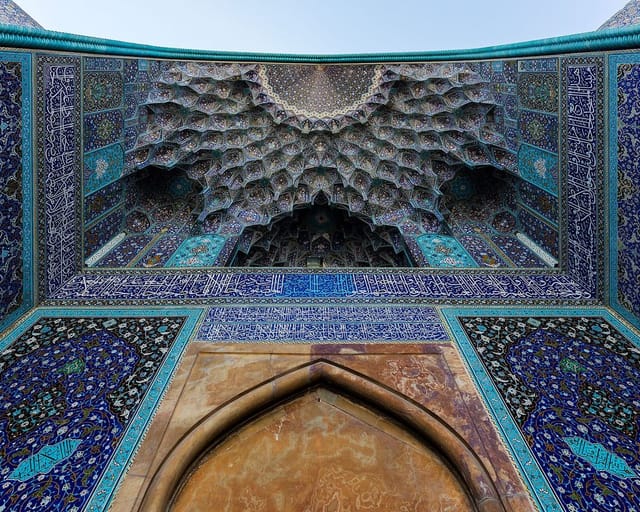
Image: Diego Delso, The entrance iwan of the Shah Mosque, Isfahan, 2016. CC BY-SA 4.0, via Wikimedia Commons.. Image credits
