Can Muslims see a therapist?
Question 1188
Question
Is it permissible for a Muslim to see a therapist or psychologist, including a non-Muslim one, and does needing therapy mean weak faith?
Summary of answer
Seeing a therapist is permissible and often recommended. The Prophet ﷺ said that every illness has a remedy and told his Companions to seek treatment, and illnesses of the mind are illnesses like any other. Muslim physicians such as al-Balkhi (d. 934) described talk-based treatment for sadness and fear, and the great hospitals of Cairo cared for the mentally ill. A skilled therapist of any faith may be consulted, and therapy and prayer work together.
Answer
الحمد لله Praise be to Allah.
If you are thinking about ending your life, please call or text 988 in the US, call 116 123 (Samaritans) in the UK and Ireland, or your local emergency number. Naseeha (1-866-627-3342) offers confidential support for Muslims in North America.
Muslims can see a therapist, and many should. Anxiety, depression, trauma, grief, and other struggles of the mind are illnesses, and the Prophet ﷺ taught his community to seek treatment for every illness. Going to therapy is an act of caring for the trust (amāna) of your own soul, and it belongs alongside prayer, duʿāʾ, and reliance on Allah.
Is it haram to see a therapist in Islam?
Seeing a therapist is permissible, and when you are suffering it is recommended. The Prophet ﷺ said:
«لِكُلِّ دَاءٍ دَوَاءٌ فَإِذَا أُصِيبَ دَوَاءُ الدَّاءِ بَرَأَ بِإِذْنِ اللَّهِ عَزَّ وَجَلَّ»
“Every illness has a remedy. When the right remedy reaches the illness, it heals by the permission of Allah, Mighty and Majestic.”
When Bedouin Arabs asked him whether they should seek treatment, he answered, “Seek treatment, for Allah has not placed a disease without placing a remedy for it” (Sunan Abi Dawud 3855, graded sahih by al-Albani). The hadith makes no distinction between illnesses of the body and illnesses of the mind. The scholars count the protection of the intellect (ḥifẓ al-ʿaql, حفظ العقل) among the objectives of the sharia (maqāṣid al-sharīʿa), and therapy serves that objective directly.
Some people worry that seeing a therapist means they do not trust Allah enough. The Prophet ﷺ answered this worry in another setting. A man asked whether he should tie his camel and trust in Allah, or leave it loose and trust in Allah. He replied, “Tie it, and trust” (Jami al-Tirmidhi 2517, graded hasan by al-Albani). Taking the means of healing is part of tawakkul.
What did early Muslim scholars say about mental health?
Muslim physicians wrote about the mind centuries before modern psychology. Abu Zayd al-Balkhi (d. 934), a scholar of Balkh, wrote Maṣāliḥ al-Abdān wa-l-Anfus (Sustenance for Body and Soul). He taught that the body and the soul affect each other, and he criticized doctors who treated the body while ignoring the patient’s inner distress. He distinguished sadness that has a clear cause, such as a loss, from sadness without a clear cause, and for the first he recommended talking with the patient and building healthier inner thoughts. For fears he described gradual exposure. Historians of psychology see in his work an early form of cognitive therapy.
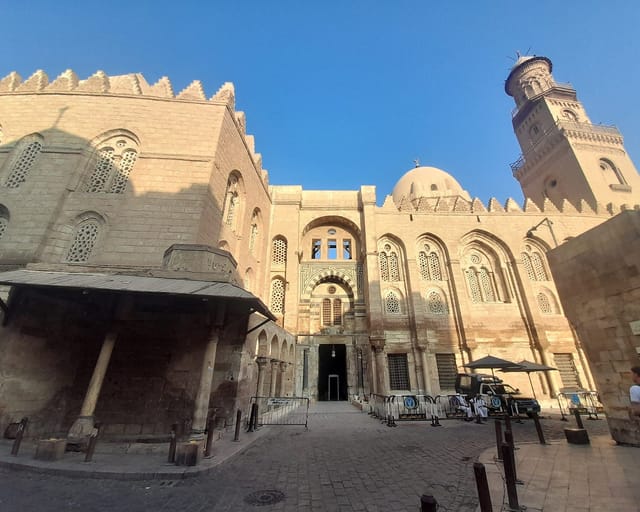
The hospitals (bīmāristāns) put this care into practice. The hospital founded by Aḥmad ibn Ṭūlūn in Fustat in 872 treated mental disorders. The great al-Manṣūrī hospital in Cairo, completed under Sultan Qalāwūn in 1284, cared for mentally ill patients free of charge and used music in their treatment. The endowment deeds of such hospitals said that no one was to be turned away. That legacy belongs to every Muslim who walks into a clinic today. See Does Islam support universal healthcare?
Does needing therapy mean my faith is weak?
The prophets themselves felt deep sorrow. When Jacob (peace be upon him) lost Joseph, he grieved until his eyes turned white, and he said:
إِنَّمَآ أَشۡكُواْ بَثِّي وَحُزۡنِيٓ إِلَى ٱللَّهِ
“I only lay out my anguish and my grief before Allah.”
The Prophet ﷺ wept at the death of his son Ibrāhīm (see Is it haram to cry when someone dies?). Sorrow, anxiety, and depression come to the strong in faith as well as the struggling, and they are a test, never a verdict on your worth. The longer answer is in Is depression a sign of weak iman?
Therapy and worship work together. Duʿāʾ brings your heart before Allah, prayer gives your day its anchor, and a therapist helps you understand your thoughts and build new habits. Many Muslims find that therapy makes their prayer easier, because a mind that is less burdened can be more present with Allah.
Can a Muslim see a non-Muslim therapist?
Yes. What matters is skill and trustworthiness. On the night of the hijra, when his life depended on finding the safe road to Medina, the Prophet ﷺ and Abu Bakr hired an expert guide who still followed the religion of Quraysh, trusted him with their camels, and followed his lead (Sahih al-Bukhari 2263).
Tell your therapist that your faith matters to you. A good therapist will respect it and work with it. Some Muslims prefer a Muslim therapist who shares their language and values, and that preference is wise where such a therapist is available. Researchers such as Dr. Rania Awaad, who directs the Muslim Mental Health Lab at Stanford, have written guides to bringing Islamic principles into clinical care.
Is it backbiting to talk about my family in therapy?
Speaking about someone’s faults in order to seek help is a recognized exception to the prohibition of backbiting (ghība). Hind bint ʿUtba told the Prophet ﷺ that her husband Abu Sufyan was miserly and did not give her enough for herself and her children. He answered her need and did not rebuke her for describing her husband (Sahih al-Bukhari 5364). Imam al-Nawawi (d. 1277), in Riyāḍ al-Ṣāliḥīn, lists seeking a solution from a trustworthy person among the cases where speaking of another’s faults is permitted. Speak with the aim of healing, and keep what you share within the room.
A closing word
If you are hurting, reaching for help is an act of faith. The prophet Abraham (peace be upon him) said of his Lord:
وَإِذَا مَرِضۡتُ فَهُوَ يَشۡفِينِ
“And when I fall ill, it is He who heals me.”
Allah heals through the means He has placed in the world, a skilled counselor among them. Ask Him to guide you to the right person, and take the first step. More on praying in your own words is in How do you make dua?, and if you have felt that life is too heavy to carry, read Is it haram to ask Allah for death?
And Allah knows best. والله أعلم
Frequently asked questions
Is therapy haram in Islam?
No. Therapy is a form of medical treatment, and the Prophet ﷺ told his Companions, "Seek treatment, for Allah has not sent down a disease without a cure" (Sunan Abi Dawud 3855). Caring for the mind serves one of the core objectives of the sharia, the protection of the intellect (ḥifẓ al-ʿaql).
Is it haram to take antidepressants or other psychiatric medication?
No. Medicine for the mind is treatment like any other medicine, and the Prophet ﷺ said that when the right remedy reaches an illness, it heals by Allah's permission (Sahih Muslim 2204). Take it as prescribed and speak with your doctor about any concerns.
Can I see a therapist of the opposite gender?
Yes. The jurists allow treatment by a doctor of the other gender when there is a need, and good mental health care is a real need. Choose the therapist with whom you can speak most freely and safely.
Should I see an imam or a therapist?
Often both. An imam can offer spiritual counsel and duʿāʾ, while a trained therapist can diagnose and treat illness. Many Muslims find the best care from a therapist who respects their faith, alongside the support of their community.
Related questions
Sources
- Abu Zayd al-Balkhi, Maṣāliḥ al-Abdān wa-l-Anfus (Sustenance for Body and Soul)
- Sunan Abi Dawud 3855 (seek treatment)
- Sahih Muslim 2204; Sahih al-Bukhari 2263, 5364
- al-Nawawi, Riyāḍ al-Ṣāliḥīn, chapter on what is permitted of backbiting
- Hooman Keshavarzi, Fahad Khan, Bilal Ali, and Rania Awaad (eds.), Applying Islamic Principles to Clinical Mental Health Care (Routledge, 2020)
- Naseeha Mental Health Helpline
Image: Marsupium, The complex of Sultan Qalawun, Cairo, 2024. CC BY 4.0, via Wikimedia Commons.. Image credits
