What does the Quran say about immigration and refugees?
Question 1270
Question
What does the Quran teach about immigration, refugees, and asylum, and what do host communities and newcomers owe one another?
Summary of answer
The Quran honors those who leave their homes to escape wrongdoing and promises them a good home in this world (16:41). Abraham, Moses, the family of Jacob, and the Prophet ﷺ were all migrants. Hosts are commanded to shelter whoever seeks protection (9:6), to love and prefer newcomers (59:9), and to do good to the stranger-neighbor and the traveler (4:36). Newcomers are asked to keep their covenants (17:34) and to live as people others can trust.
﴿۞وَمَن يُهَاجِرۡ فِي سَبِيلِ ٱللَّهِ يَجِدۡ فِي ٱلۡأَرۡضِ مُرَٰغَمٗا كَثِيرٗا وَسَعَةٗ﴾
Whoever emigrates in the way of Allah will find on the earth many places of refuge and room to live.
Answer
الحمد لله Praise be to Allah.
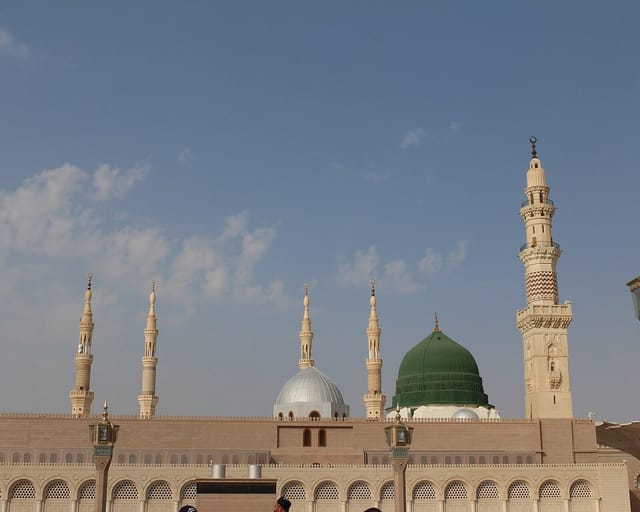
The Quran tells the story of faith as a story of people leaving home, from Abraham (peace be upon him) to the Prophet ﷺ. On immigration and refugees, the Quran honors those who leave their homes to escape wrongdoing, commands the people who receive them to shelter and support them, and asks newcomers to keep their covenants. Both duties are worship: the Quran praises the emigrants and their hosts in the same verse (8:74).
What does hijra mean in the Quran?
Hijra (هجرة) means leaving or parting from something, and the emigrant is a muhājir, a word the Quran uses with honor. Leaving his people, Abraham said, “I am emigrating to my Lord” (Quran 29:26). Allah promises those who leave under oppression a home in this world as well as the next:
وَٱلَّذِينَ هَاجَرُواْ فِي ٱللَّهِ مِنۢ بَعۡدِ مَا ظُلِمُواْ لَنُبَوِّئَنَّهُمۡ فِي ٱلدُّنۡيَا حَسَنَةٗۖ وَلَأَجۡرُ ٱلۡأٓخِرَةِ أَكۡبَرُۚ لَوۡ كَانُواْ يَعۡلَمُونَ
“Those who emigrated for the sake of Allah after they had been wronged, We will surely give them a good home in this world, and the reward of the Hereafter is greater still, if only they knew.”
Moses (peace be upon him) fled Egypt in fear (28:21) and found in Madyan a family that sheltered him, employed him, and gave him a daughter in marriage (28:27). Joseph (peace be upon him), once sold into Egypt, welcomed his family there: “Enter Egypt, Allah willing, in safety” (12:99). The Prophet ﷺ was driven out of Mecca (9:40), and his hijra to Medina in 622 begins the Muslim calendar.
Does the Quran protect refugees and asylum seekers?
The Quran treats leaving oppression as a right. Its angels ask those who stayed where they were oppressed, “Was Allah’s earth not wide enough for you to emigrate in it?” (4:97), and it promises the emigrant “many places of refuge and room to live” (4:100). It names the first Muslim refugees “the poor emigrants who were driven out of their homes and their property” and calls them the truthful (59:8).
It commands protection for whoever asks, even an idolater from a hostile people: “grant him protection … then escort him to his place of safety” (9:6). On this verse classical law built amān, the guarantee of safety (What does Islam say about refugees and immigrants?). A 2009 UNHCR study by the Cairo jurist Ahmed Abou El-Wafa, The Right to Asylum between Islamic Shari’ah and International Refugee Law, describes how Islamic law protects refugees of every faith, forbids forcing them to change their beliefs, and seeks to reunite their families.
What does the Quran ask of host communities?
The people of Medina, the Anṣār, set the standard: they “love those who emigrated to them” and prefer the newcomers over themselves even in their own need (59:9). The Prophet ﷺ joined each emigrant to a Medinan in brotherhood (muʾākhāh). Ibn ʿAbbās (may Allah be pleased with him) reports that at first an emigrant even inherited from his Medinan brother, until 4:33 returned the shares to kin; the duties of support, provision, and sincere counsel remained (Sahih al-Bukhari 2292). The Quran widens this care:
وَبِٱلۡوَٰلِدَيۡنِ إِحۡسَٰنٗا وَبِذِي ٱلۡقُرۡبَىٰ وَٱلۡيَتَٰمَىٰ وَٱلۡمَسَٰكِينِ وَٱلۡجَارِ ذِي ٱلۡقُرۡبَىٰ وَٱلۡجَارِ ٱلۡجُنُبِ وَٱلصَّاحِبِ بِٱلۡجَنۢبِ وَٱبۡنِ ٱلسَّبِيلِ
“Do good to your parents, to relatives, orphans, and the poor, to the neighbor who is kin and the neighbor who is a stranger, to the companion at your side, and to the traveler.”
The fourteenth-century commentator Ibn Kathir reports from Ibn ʿAbbās and other early authorities that the stranger-neighbor (al-jār al-junub) is the one who is not your kin. The traveler cut off from home (ibn al-sabīl) also receives zakat (9:60; see How does zakat work?). The Prophet ﷺ swore three times that a person whose neighbor is not safe from his harm does not believe (Sahih al-Bukhari 6016). For hosts this means fair wages for migrant workers (What does Islam say about workers’ rights?) and no mockery of accents or origins, for Allah made peoples and tribes “so that you may know one another” (49:13; see What does Islam say about racism?).
What does the Quran ask of immigrants?
The newcomer’s first duty is faithfulness to the agreements that let him in. A visa, a residence permit, and a citizenship oath (Can Muslims live in non-Muslim countries?) are covenants (ʿuhūd):
وَأَوۡفُواْ بِٱلۡعَهۡدِۖ إِنَّ ٱلۡعَهۡدَ كَانَ مَسۡـُٔولٗا
“Fulfill your covenants: every covenant will be asked about.”
The Quran counts among the righteous “those who keep their promises when they make them” (2:177), and it barred the believers of Medina from helping even fellow Muslims “against a people with whom you have a treaty” (8:72).
The first Muslim emigrants lived for years in Abyssinia under the protection of its Christian king, the Negus. On the day he died, the Prophet ﷺ told the Companions, “Seek forgiveness for your brother,” and led the funeral prayer for him (Sahih al-Bukhari 1327). Gratitude toward a host is part of the Sunnah. The Prophet ﷺ also gave hijra an inner meaning:
«الْمُسْلِمُ مَنْ سَلِمَ الْمُسْلِمُونَ مِنْ لِسَانِهِ وَيَدِهِ، وَالْمُهَاجِرُ مَنْ هَجَرَ مَا نَهَى اللَّهُ عَنْهُ»
“The Muslim is the one from whose tongue and hand the Muslims are safe, and the emigrant is the one who leaves behind what Allah has forbidden.”
The newcomer who is truthful in trade, kind to neighbors, and faithful to the law carries the best of hijra with him.
Does the Quran decide modern immigration policy?
The Quran sets out no visas, quotas, or border procedures. These belong to the administration of public affairs (siyāsa sharʿiyya), and Muslims of good faith judge them differently. The Quran fixes the measures every policy answers to: whoever flees danger and asks for protection is brought to safety (9:6); every child of Adam carries a dignity Allah gave (17:70); and justice is owed even to people one dislikes (5:8).
A prayer for every arrival
Allah taught Noah (peace be upon him), saved in the ark from a wrongdoing people, a prayer for reaching an unknown shore:
وَقُل رَّبِّ أَنزِلۡنِي مُنزَلٗا مُّبَارَكٗا وَأَنتَ خَيۡرُ ٱلۡمُنزِلِينَ
“And say: My Lord, let me land in a blessed place of landing, for You are the best of those who bring to land.”
May Allah bless the landing of all who have left their homes, and make every host community a Medina for them.
And Allah knows best. والله أعلم
Frequently asked questions
Which surahs of the Quran talk about immigration?
The main passages are in Sūrat al-Nisāʾ (4:97–100), al-Anfāl (8:72–75), al-Tawba (9:6), al-Naḥl (16:41), and al-Ḥashr (59:8–9). The stories of Abraham, Moses, and Joseph also follow migrants and the people who received them.
Does Islam require immigrants to follow the laws of their new country?
Yes. A visa, a residence permit, or a citizenship oath is a covenant, and the Quran commands believers to fulfill their covenants (5:1, 17:34). The only limit is a law that would force a person to disobey Allah.
Does a migrant's legal status change how Muslims should treat them?
Human dignity (17:70), justice (5:8), and the rights of the neighbor and the traveler belong to every person, whatever their papers. Questions of status belong to the law and the courts, and a Muslim's kindness and fair dealing do not wait for them.
What does the Quran say about the Muhajirun and the Ansar?
It calls both the emigrants and those who sheltered and supported them the true believers, and promises them forgiveness and generous provision (8:74). It praises the Ansar for loving the newcomers and preferring them over themselves (59:9).
Related questions
Sources
- Sahih al-Bukhari 10, 1327, 2292, 6016
- Ibn Kathīr, Tafsīr al-Qurʾān al-ʿAẓīm, on 4:36
- Ahmed Abou El-Wafa, The Right to Asylum between Islamic Shari'ah and International Refugee Law: A Comparative Study (UNHCR, 2009)
Image: TheHadiRahim, The Green Dome of the Prophet's Mosque, Medina, 2025. CC0, via Wikimedia Commons.. Image credits
