Can a Muslim marry a Hindu, Buddhist, or atheist?
Question 1140
Question
Is it permissible for a Muslim man or woman to marry someone who is Hindu, Buddhist, Sikh, or an atheist, without that person converting?
Summary of answer
The stronger view today is that a Muslim may marry a Hindu, Buddhist, or atheist when the marriage rests on mutual respect and each spouse's freedom of faith. The verse against marrying idolaters (2:221) names its own reason, that they called the believers to the Fire, and addressed the hostile idolaters of Mecca. The Prophet ﷺ honored his daughter Zaynab's marriage to a Meccan polytheist, and Muslim jurists in India gave Hindus and Buddhists the standing of protected communities.
Answer
الحمد لله Praise be to Allah.
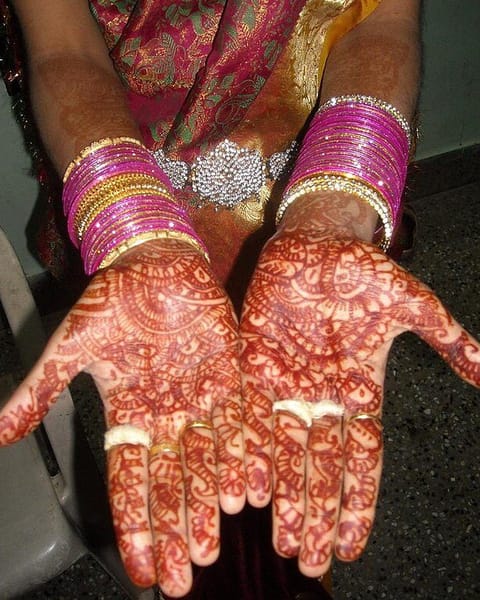
Many Muslims meet a good person of another faith, or of no faith, at university, at work, or in their own neighborhood, and come to love them. They then ask whether Islam leaves any door open. The stronger view (al-rājiḥ) among scholars who read the Quran in its setting is that a Muslim may marry a Hindu, Buddhist, or atheist, when the marriage rests on mutual respect and each spouse’s freedom of faith. The Quran’s prohibition concerned the idolaters of Mecca who were at war with the first Muslims and pressed them to abandon their faith, and the verse gives that very reason.
What does the Quran say about marrying a Hindu or an atheist?
The verse usually cited is Sūrat al-Baqara 2:221: “Do not marry idolatrous women until they believe … and do not marry your women to idolatrous men until they believe.” It then names its reason: “Those people call you to the Fire, while Allah calls you to Paradise and forgiveness” (Quran 2:221). The verse was revealed in Medina, when the idolaters (mushrikūn) of Mecca were fighting the believers, torturing converts, and trying to force them back to the old religion.
The Quran uses mushrikūn for a particular people. It names the believers, the Jews, the Sabians, the Christians, the Zoroastrians (al-majūs), and “those who associate partners” as six separate groups (22:17). The exegete al-Ṭabarī (d. 923), in his commentary on 2:221, understood the women of the verse to be the idolaters of Arabia who had no scripture. A spouse who respects the believer’s faith and makes no call to the Fire falls outside the reason the verse gives.
The Quran sets the rule for everyone who lives in peace with Muslims:
لَّا يَنۡهَىٰكُمُ ٱللَّهُ عَنِ ٱلَّذِينَ لَمۡ يُقَٰتِلُوكُمۡ فِي ٱلدِّينِ وَلَمۡ يُخۡرِجُوكُم مِّن دِيَٰرِكُمۡ أَن تَبَرُّوهُمۡ وَتُقۡسِطُوٓاْ إِلَيۡهِمۡۚ إِنَّ ٱللَّهَ يُحِبُّ ٱلۡمُقۡسِطِينَ
“Allah does not forbid you to be good and just to those who have not fought you over religion or driven you from your homes. Allah loves those who are just.”
What did the classical scholars say?
The four Sunni schools and the Jaʿfari school held that a Muslim may marry only another Muslim or, for men, a Christian or Jewish woman (Can a Muslim man marry a Christian?). Their concern was the faith of the Muslim spouse and the children, in societies where religion defined a person’s legal rights and the husband’s authority was great. That concern deserves respect. The stronger view keeps the concern and answers it with the conditions this answer describes: a home where both spouses are free to believe and worship, and children raised with love for both parents’ heritage.
Did the Prophet’s ﷺ own family know such a marriage?
It did. The Prophet’s eldest daughter, Zaynab (may Allah be pleased with her), was married to Abu al-ʿĀṣ ibn al-Rabīʿ, a Meccan who remained a polytheist for years after she accepted Islam. He fought against the Muslims at Badr and was taken captive. Zaynab sent money from Mecca to ransom him, and with it a necklace her mother Khadīja had given her on her wedding day. When the Prophet ﷺ saw it, Aisha reports, he was deeply moved, and said to his Companions:
«إِنْ رَأَيْتُمْ أَنْ تُطْلِقُوا لَهَا أَسِيرَهَا وَتَرُدُّوا عَلَيْهَا الَّذِي لَهَا»
“If you think it right, free her captive for her and return to her what is hers.”
Zaynab later moved to Medina. Abu al-ʿĀṣ accepted Islam years afterward, and the Prophet ﷺ returned her to him on their first marriage contract (Sunan Abi Dawud 2240, graded hasan by al-Albani). The bond between them was honored across the line of faith.
How did Muslims historically regard Hindus and Buddhists?
The tradition widened the circle of “people with a scripture” as Islam met new peoples. The Prophet ﷺ treated the Zoroastrians of Hajar as a protected community (Sahih al-Bukhari 3157), and when Muslims reached Sindh in the eighth century, Hindus and Buddhists received the same protected standing. In Mughal India, Prince Dara Shikoh (d. 1659) wrote Majmaʿ al-Baḥrayn, “The Mingling of the Two Oceans,” on the meeting of Sufi and Vedantic thought, and the Naqshbandi master Mirza Mazhar Jan-i Janan (d. 1781) argued that the Hindus’ scriptures had a divine origin. Many Hindus today speak of one ultimate reality behind all the forms of worship (What does Islam say about Hindus and Buddhists?).
What about marrying an atheist?
An atheist associates no partner with Allah and worships no idol, so the word mushrik in its literal sense does not fit. The classical jurists still placed atheists outside the marriages they allowed. The stronger view applies the same test as for any interfaith marriage: does the partner respect the Muslim’s faith and freedom to practice it? Many atheists are people of deep integrity and kindness (What does Islam say about atheists?). The Quran’s principle protects both spouses:
لَآ إِكۡرَاهَ فِي ٱلدِّينِۖ قَد تَّبَيَّنَ ٱلرُّشۡدُ مِنَ ٱلۡغَيِّ
“There is no compulsion in religion; the right way has become distinct from error.”
How can an interfaith couple build a good marriage?
- Agree on freedom of faith. Each spouse may pray, fast, and keep their own holy days. Neither presses the other to convert.
- Decide about children before marrying. Agree on names, festivals, and how each parent will share their faith. Many families celebrate both Eid and Diwali (Can Muslims celebrate Diwali?).
- Make the marriage public and lawful. Consent, witnesses, and a gift to the bride fulfill the essentials of a nikah. Civil marriage protects both spouses: India’s Special Marriage Act of 1954 allows couples of different faiths to marry without either converting, and in 2017 Tunisia lifted its rule requiring a non-Muslim husband to convert (Can a Muslim woman marry a non-Muslim man?).
- Keep the ties of family. Parents on both sides may need time. Patience and kindness keep the door open.
A closing word
Allah made human beings of many peoples so that they might come to know one another (49:13). A marriage between two faiths can be a small picture of that purpose. May Allah fill every such home with love and mercy, keep each spouse true to what they hold sacred, and raise children who honor both their parents.
And Allah knows best. والله أعلم
Frequently asked questions
Does my Hindu or atheist partner have to convert?
On the stronger view, no. Faith cannot be compelled (2:256), and a conversion made only to satisfy a marriage requirement has no value before Allah. If your partner comes to Islam, let it be by their own free choice.
Can a Muslim woman marry a Hindu man?
The reasoning that opens these marriages applies to women and men alike, since the verse on idolaters (2:221) addresses both in the same words. The same conditions hold for both: mutual respect, freedom to practice, and agreement about the children.
Can a Muslim marry a Sikh?
Sikhs worship one God and reject idol worship, so the concern of 2:221 is even more remote. The same guidance applies: respect for each other's faith and clear agreements before marriage.
Is a civil marriage valid in Islam?
A marriage made with both partners' consent, publicly witnessed, and with a gift to the bride fulfills the essentials of a nikah. A civil registration also protects both spouses in law, and many couples add a nikah or an interfaith ceremony.
Related questions
Sources
- al-Ṭabarī, Jāmiʿ al-Bayān (commentary on 2:221)
- Sunan Abi Dawud 2692 and 2240 (Zaynab and Abu al-ʿĀṣ)
- Sahih al-Bukhari 3157 (the Zoroastrians of Hajar)
- Dara Shikoh, Majmaʿ al-Baḥrayn (The Mingling of the Two Oceans, 1655)
- Al Jazeera, Tunisia lifts ban on Muslim women marrying non-Muslims (14 September 2017)
Image: Sistak, Henna on a Muslim bride's hands, Madurai, 2011. CC BY-SA 2.0, via Wikimedia Commons.. Image credits
