Can Muslims celebrate New Year's?
Question 1174
Question
Is it permissible for Muslims to celebrate New Year's Eve and January 1, watch fireworks, or make New Year's resolutions, and what about the Islamic new year?
Summary of answer
Celebrating New Year's is halal. January 1 is a civil date on the calendar most of the world shares, and marking it with family, friends, fireworks, and resolutions involves no act of worship. The Quran swears by time (103:1) and made the sun and moon a means of counting the years (10:5). Muslims also keep the Hijri calendar, whose year begins with Muharram, and a Muslim's celebrations stay free of what is forbidden, such as drinking.
Answer
الحمد لله Praise be to Allah.
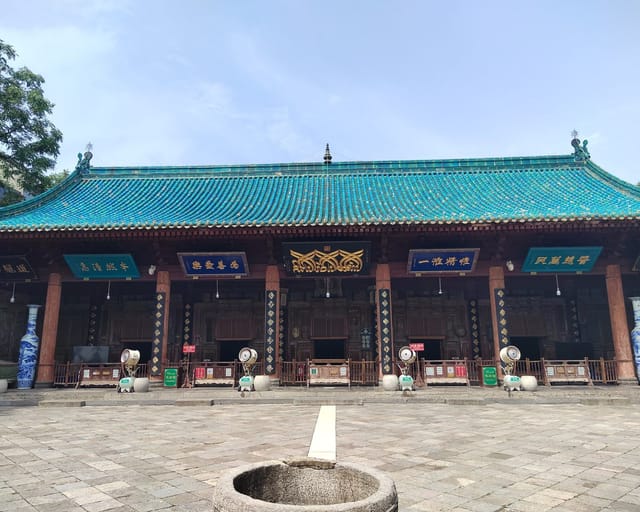
Can Muslims celebrate New Year’s? Muslims around the world count down to midnight on December 31 with their families, coworkers, and neighbors, and many wonder whether they should. The stronger view (al-rājiḥ) is that celebrating New Year’s is halal. January 1 is a date on the civil calendar that most Muslim-majority countries use for government, school, and business, and welcoming it involves no act of worship. The Quran invites believers to notice the passing of time with gratitude, and a new year is a natural moment to do so.
What does the Quran say about time and the years?
The Quran presents the counting of years as one of Allah’s gifts:
هُوَ ٱلَّذِي جَعَلَ ٱلشَّمۡسَ ضِيَآءٗ وَٱلۡقَمَرَ نُورٗا وَقَدَّرَهُۥ مَنَازِلَ لِتَعۡلَمُواْ عَدَدَ ٱلسِّنِينَ وَٱلۡحِسَابَ
“It is He who made the sun a radiance and the moon a light, and set out its phases, so that you might know the number of the years and how to count time.”
It counts twelve months in Allah’s decree “since the day He created the heavens and the earth” (Quran 9:36), and it calls the alternation of night and day a sign for people of understanding (3:190). The Prophet ﷺ warned how easily the gift of time is wasted:
«نِعْمَتَانِ مَغْبُونٌ فِيهِمَا كَثِيرٌ مِنَ النَّاسِ، الصِّحَّةُ وَالْفَرَاغُ»
“Two blessings many people are cheated of: health and free time.”
A new year is a good day to take stock. The second caliph ʿUmar ibn al-Khaṭṭāb (may Allah be pleased with him) is reported to have said, “Take account of yourselves before you are taken to account” (recorded by al-Tirmidhi after hadith 2459). The scholars call this self-reckoning muḥāsaba, and a New Year’s resolution made with sincerity is a form of it.
Is New Year’s Day a religious holiday?
For most people today, January 1 is the first page of a calendar. Muslim states from Morocco to Indonesia run their public life on the Gregorian calendar alongside the Hijri one, and Dubai greets the year with fireworks over the Burj Khalifa.
The scholars differed (ikhtalafa al-ʿulamāʾ). Some contemporary scholars forbid joining New Year’s celebrations as imitation (tashabbuh) of non-Muslims, citing the hadith in which the Prophet ﷺ told the people of Medina that Allah had replaced their two old days of play with Eid al-Fitr and Eid al-Adha (Sunan Abi Dawud 1134). That is a recognized view, and Muslims who hold it may let the night pass like any other.
The stronger view follows the rule that customs are permitted unless a text forbids them (al-aṣl fī al-ʿādāt al-ibāḥa). The Eid hadith set out the two religious festivals of Islam, explained in What is Eid?, and a civil holiday does not compete with them. Egypt’s Dar al-Ifta reasoned the same way about birthdays in its fatwa 4820 (2013): the Eid hadith does not bar other happy occasions, and a celebration that is not treated as a religious feast and contains nothing forbidden is lawful (Is celebrating birthdays haram?). The same principle covers Thanksgiving and family Christmas gatherings (Can Muslims celebrate Thanksgiving?, Is it haram to celebrate Christmas?).
What about fireworks and New Year’s Eve parties?
Joy at a shared occasion has a place in the Sunna. On an Eid in Medina, the Prophet ﷺ let Aisha stand behind him and watch Abyssinian performers play with shields and spears, and he cheered them on (Sahih al-Bukhari 950). Fireworks, a countdown with friends, and a family dinner belong to that kind of delight. Their limits are care for others: “There is to be no harm and no returning of harm” (Sunan Ibn Majah 2340, graded sahih by al-Albani), so keep children safe and spare frightened animals and sleeping neighbors.
Drinking alcohol remains haram (Is alcohol haram?), and a Muslim can be fully present at a celebration with a non-alcoholic drink in hand. Plan the night so that the first prayer of the new year, Fajr, is not missed.
What about the Islamic new year?
Muslims keep a second new year. During the caliphate of ʿUmar, the Companions agreed to date the years from the Hijra, the Prophet’s ﷺ emigration from Mecca to Medina in 622, with Muharram as the first month. The Hijri new year is a public holiday in many Muslim-majority countries, and Sunni Muslims often greet it with prayers for a blessed year. On the tenth of Muharram, ʿĀshūrāʾ, the Prophet ﷺ fasted and said he hoped the fast would wipe away the sins of the year before (Sahih Muslim 1162a).
For Shia Muslims the month opens a season of mourning for Imam Ḥusayn, the Prophet’s ﷺ grandson, martyred at Karbala on ʿĀshūrāʾ in 680, and they greet the Hijri year with remembrance (Sunni vs Shia). Muslims in Iran, Afghanistan, and Central Asia have also celebrated Nowruz, the Persian new year at the spring equinox, for centuries.
How can a Muslim welcome a new year?
- Thank Allah for the year that passed, including its hardships.
- Reckon with yourself: what to keep, what to leave, whom to forgive.
- Make resolutions that serve your faith and your people: a daily page of the Quran, a regular charity, a weekly call to a parent.
- Begin with prayer, and let the first act of the year be Fajr.
By time
Sūrat al-ʿAṣr, among the shortest chapters of the Quran, holds a whole philosophy of time:
وَٱلۡعَصۡرِ إِنَّ ٱلۡإِنسَٰنَ لَفِي خُسۡرٍ إِلَّا ٱلَّذِينَ ءَامَنُواْ وَعَمِلُواْ ٱلصَّـٰلِحَٰتِ وَتَوَاصَوۡاْ بِٱلۡحَقِّ وَتَوَاصَوۡاْ بِٱلصَّبۡرِ
“By time, humankind is surely in loss, except those who believe, do good deeds, and urge one another to truth and to patience.”
May Allah make each new year a step nearer to Him, fill it with good work and good company, and let us meet its end better than we began it.
And Allah knows best. والله أعلم
Frequently asked questions
Is it haram to say Happy New Year?
No. It is a friendly wish for a good year, and the Quran asks believers to answer a greeting with one as good or better (4:86). Many Muslims add a short prayer for blessing in the year ahead.
Are fireworks haram?
Fireworks are a form of public joy and are permitted. The limits are safety and consideration for neighbors, children, and animals, following the Prophet's ﷺ rule that there is to be no harm and no returning of harm (Sunan Ibn Majah 2340).
Can I go to a New Year's Eve party where alcohol is served?
Drinking is haram, and a Muslim does not take part in it. Many Muslims attend family and work gatherings, raise a glass of something non-alcoholic, and leave if the evening turns into heavy drinking.
Do Shia Muslims celebrate the Islamic new year?
The first ten days of Muharram are, for Shia Muslims, a season of mourning for Imam Husayn, the Prophet's ﷺ grandson, who was killed at Karbala on the tenth of Muharram. Most Shia communities therefore greet the Hijri year with remembrance rather than festivity, and many Persian-speaking Shia celebrate Nowruz in spring.
Related questions
Sources
Image: 沈澄心 (Shen Chengxin), Prayer hall of the Great Mosque of Xi'an, 2024. CC0, via Wikimedia Commons.. Image credits
