Can Muslims celebrate Thanksgiving?
Question 1123
Question
Is it permissible for Muslims to celebrate Thanksgiving, share the holiday meal, and wish others a happy Thanksgiving?
Summary of answer
Celebrating Thanksgiving is halal. It is a civic holiday of gratitude, family, and feeding others, with no rite of worship of any religion, and gratitude is among the deeds Allah loves most: "If you are grateful, I will surely give you more" (14:7). The Prophet ﷺ taught that whoever does not thank people has not thanked Allah (Abu Dawud 4811), and he himself joined a day of gratitude kept by the Jews of Medina (Bukhari 2004). Serve halal food and remember the holiday's history with justice.
Answer
الحمد لله Praise be to Allah.
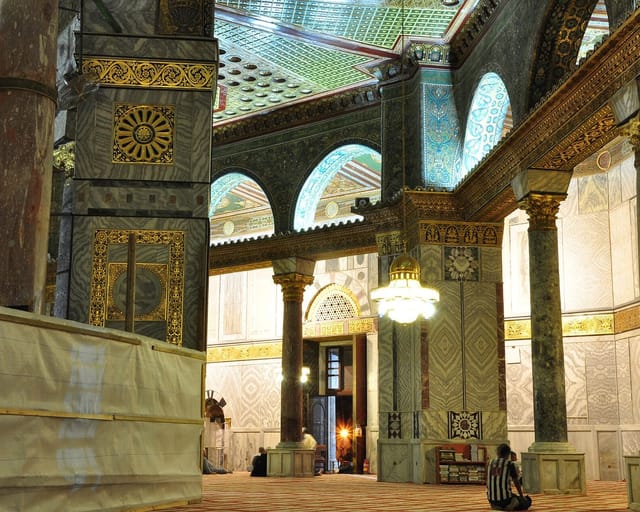
Every November, Muslim families across the United States sit down with neighbors, coworkers, and relatives of other faiths for a meal of thanks, and many wonder whether they should. Canadian Muslims ask the same question each October. The answer of the Quran and the Sunnah is warm. Celebrating Thanksgiving is halal. It is a civic holiday of gratitude, family, and feeding others, and it contains no rite of worship belonging to any religion. Gratitude itself is one of the deeds Allah loves most, and He has promised to answer it with more.
Can Muslims celebrate Thanksgiving?
Yes. The Quran makes thankfulness (shukr, شكر) a central virtue of faith and attaches a promise to it:
وَإِذۡ تَأَذَّنَ رَبُّكُمۡ لَئِن شَكَرۡتُمۡ لَأَزِيدَنَّكُمۡ
“And remember when your Lord proclaimed: If you are grateful, I will surely give you more.”
“Remember Me and I will remember you; be grateful to Me” (2:152). A day set aside by one’s country to give thanks for food, family, and safety is a day Muslims can fill with exactly that. The Prophet ﷺ also taught that gratitude to Allah cannot be separated from gratitude to people:
«لاَ يَشْكُرُ اللَّهَ مَنْ لاَ يَشْكُرُ النَّاسَ»
“Whoever does not thank people has not thanked Allah.”
Sunan Abi Dawud 4811, graded sahih by al-Albani
A meal at which a family thanks the parents who raised them, the friends who stood by them, and the neighbors who helped them is a practice of this hadith.
Is Thanksgiving a religious holiday?
Thanksgiving recalls a harvest feast in 1621 shared by the English colonists of Plymouth and the Wampanoag people. Abraham Lincoln proclaimed it a national day of thanksgiving in 1863, and today it falls on the fourth Thursday of November in the United States and the second Monday of October in Canada. It has no prescribed prayer, no sacred rite, and no creed. Its customs are a family meal, football, parades, and food drives.
Islamic law treats such customs generously. Its jurists held that the default ruling for things and customs is permissibility (al-aṣl fī al-ashyāʾ al-ibāḥa), and one of the five great legal maxims of fiqh states that “custom is a source of rulings” (al-ʿāda muḥakkama, العادة محكّمة). A custom stays lawful unless it requires something the sharia forbids. Eating turkey with one’s family and saying thank you are nowhere forbidden.
What about the hadith on the two Eids and imitating others?
Some scholars forbid Thanksgiving, and their view deserves a fair hearing. When the Prophet ﷺ came to Medina, he found its people with two days of games inherited from before Islam, and he said, “Allah has given you something better in their place: the day of sacrifice and the day of breaking the fast” (Sunan Abi Dawud 1134). They also cite the hadith “Whoever imitates a people is one of them” (Sunan Abi Dawud 4031).
The stronger view (al-rājiḥ) reads these hadith as protecting the two Eids as the festivals of Muslim worship and warning against taking on the religious rites and identity of another faith. Thanksgiving is neither a festival of worship nor the mark of another religion; it stands with Independence Day and Labor Day as a national holiday, and no Muslim treats it as a third Eid. The Prophet ﷺ himself shows the way. When he arrived in Medina and found the Jews fasting on the day of Ashura in gratitude for Allah’s rescue of Moses, he said, “We have a greater claim to Moses than you,” and fasted it (Sahih al-Bukhari 2004). He joined a day of thanks kept by another community and gave it his own devotion. The same reasoning governs Christmas, birthdays, and New Year.
How can Muslims celebrate Thanksgiving well?
- Begin and end with Allah’s name. Say bismillāh over the meal and al-ḥamdu lillāh after it. The Prophet ﷺ said that Allah is pleased with a servant who eats a meal and praises Him for it (Sahih Muslim 2734a).
- Serve halal food. A zabiha or halal-certified turkey satisfies every school, and many scholars also permit meat slaughtered by Christians and Jews (Can Muslims eat non-zabiha meat?). Keep alcohol off your own table.
- Feed the hungry. The Quran praises those who “give food, despite their love of it, to the poor, the orphan, and the captive” (76:8). Many mosques serve Thanksgiving meals or run food drives that week.
- Keep the family together. For converts with non-Muslim relatives, sitting at the family table is ṣilat al-raḥim, the keeping of family ties, and a living picture of Islam’s warmth (Can Muslims be friends with non-Muslims?).
- Say thank you by name. Use the day to thank parents, teachers, nurses, and neighbors, as the hadith teaches.
How should Muslims remember the history of Thanksgiving?
Gratitude and justice belong together in Islam. For many Native Americans, the holiday recalls the land, lives, and nations lost after the colonists arrived, and since 1970 some have gathered at Plymouth each Thanksgiving for a National Day of Mourning. The Quran commands believers to “stand firm for justice” (Quran 4:135) and to remember that Allah made humanity into peoples and tribes to know one another (49:13). Muslims can give thanks for their blessings while learning the history of the land they live on, honoring its first peoples, and supporting them today.
A closing duʿāʾ
When the Prophet Solomon (peace be upon him) heard an ant speak and saw the favors Allah had given him, he prayed:
رَبِّ أَوۡزِعۡنِيٓ أَنۡ أَشۡكُرَ نِعۡمَتَكَ ٱلَّتِيٓ أَنۡعَمۡتَ عَلَيَّ وَعَلَىٰ وَٰلِدَيَّ وَأَنۡ أَعۡمَلَ صَٰلِحٗا تَرۡضَىٰهُ
“My Lord, inspire me to give thanks for the favor You have given me and my parents, and to do good deeds that please You.”
May your table be full, your family gathered, and your heart thankful, this day and every day.
And Allah knows best. والله أعلم
Frequently asked questions
Can Muslims say Happy Thanksgiving?
Yes. The Quran commands believers to answer a greeting with a better one or an equal one (4:86), and wishing neighbors and coworkers a happy Thanksgiving is a kindness that costs nothing and earns goodwill.
Can Muslims eat turkey on Thanksgiving?
Yes. A zabiha or halal-certified turkey satisfies every school, and many scholars also permit meat slaughtered by Christians and Jews on the basis of Quran 5:5. Keep alcohol off your own table and enjoy the rest.
Is Canadian Thanksgiving haram?
No. Canada's Thanksgiving, held on the second Monday of October, is the same kind of civic harvest holiday, and the same ruling applies: gratitude, family, and good food are all halal.
Should a convert go to Thanksgiving dinner with non-Muslim family?
Yes. Sitting at the family table is an act of keeping the ties of kinship (ṣilat al-raḥim), which the Quran and Sunnah command even toward relatives of other faiths.
Related questions
Sources
- Sunan Abi Dawud 4811 (whoever does not thank people does not thank Allah)
- Sahih al-Bukhari 2004 (the Prophet fasts Ashura)
- Sunan Abi Dawud 1134 (the two Eids)
- The legal maxim al-ʿāda muḥakkama (custom is a source of rulings), in the works on Islamic legal maxims (al-qawāʿid al-fiqhiyya)
- Abraham Lincoln, Proclamation of Thanksgiving (3 October 1863)
Image: Lazhar Neftien, Inside the Dome of the Rock, Jerusalem, 2009. CC BY 2.0, via Wikimedia Commons.. Image credits
